From AI in Mining to Women in Mining: one day, one common thread
News
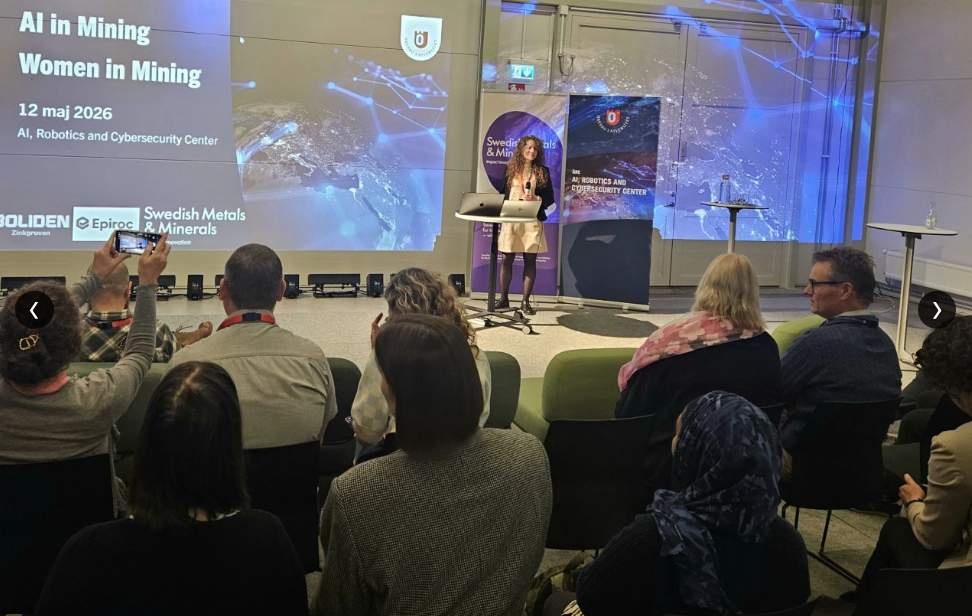
How do we turn new technology into real value for the mining and metals industry? And how do we make sure that people, skills and organisations develop at the same pace as the technology?
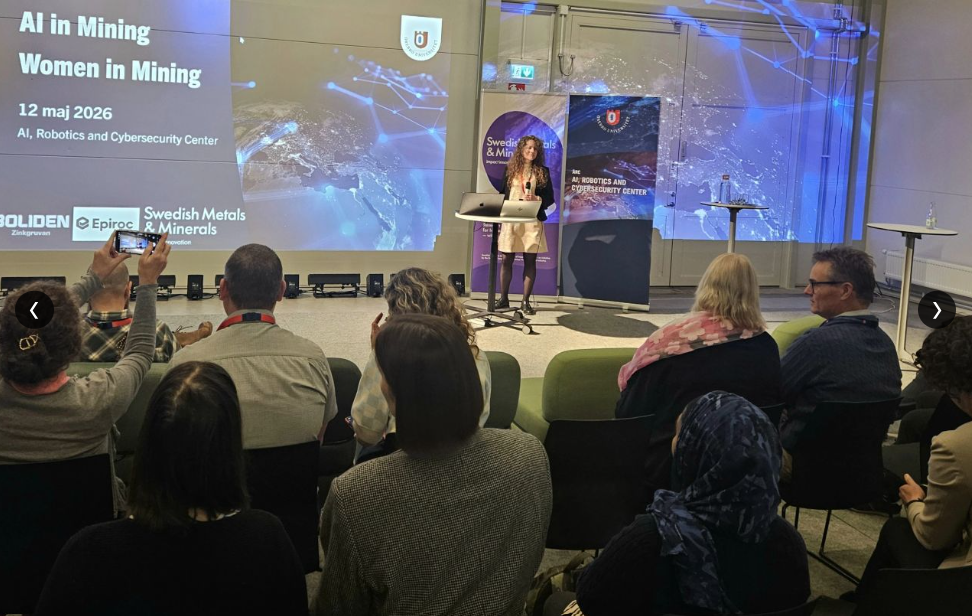
These questions were at the centre when Swedish Metals & Minerals and Örebro University brought together researchers, companies, students and other actors for a full day on AI, mining and the future of competence.
The day combined three different formats: the sixth edition of AI in Mining, a live podcast recording of Vad fan ska jag ha AI till?, and Women in Mining, an evening event on technology, careers and lifelong learning in the mining sector.
At first glance, the programme could have been seen as three separate events. In practice, one clear thread ran through the whole day: the role of people in technological change.
“AI and digitalisation are not only about technology. They are also about people, organisations, ways of working and learning,” says Lotta Sartz, project manager at Örebro University and responsible for innovation capacity within Swedish Metals & Minerals.
From research depth to practical use
AI in Mining opened with technical and research-oriented perspectives on how artificial intelligence can create value in the mining and metals industry. The programme included presentations on geophysics, modelling, synthetic data and AI applications in complex underground environments.
The discussions showed how AI can contribute to more efficient exploration, improved safety and better use of energy, materials and mineral resources. But they also made clear that technology alone is not enough. To move from promising ideas and pilot projects to real implementation, organisations need knowledge, courage and the ability to scale.
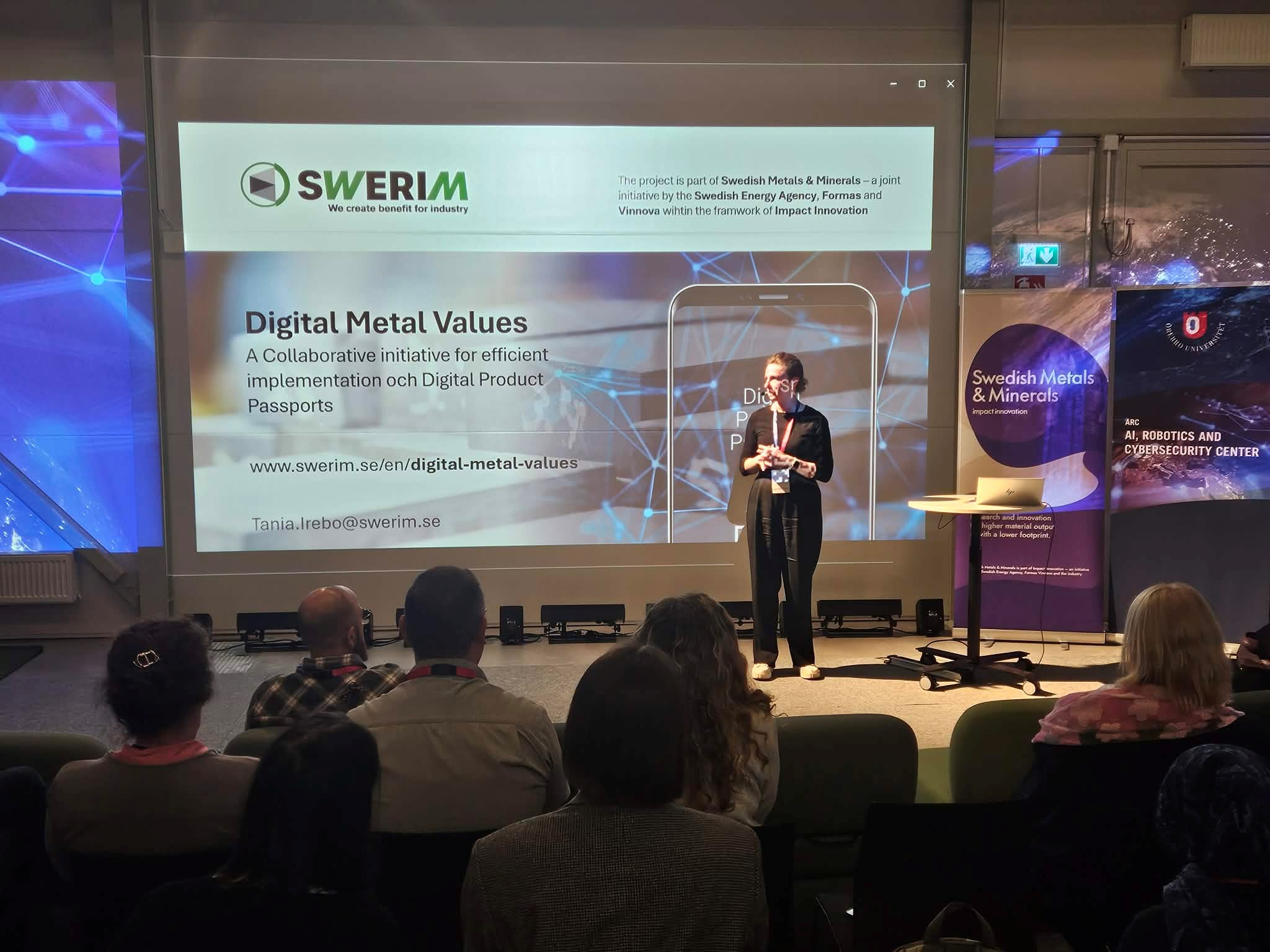
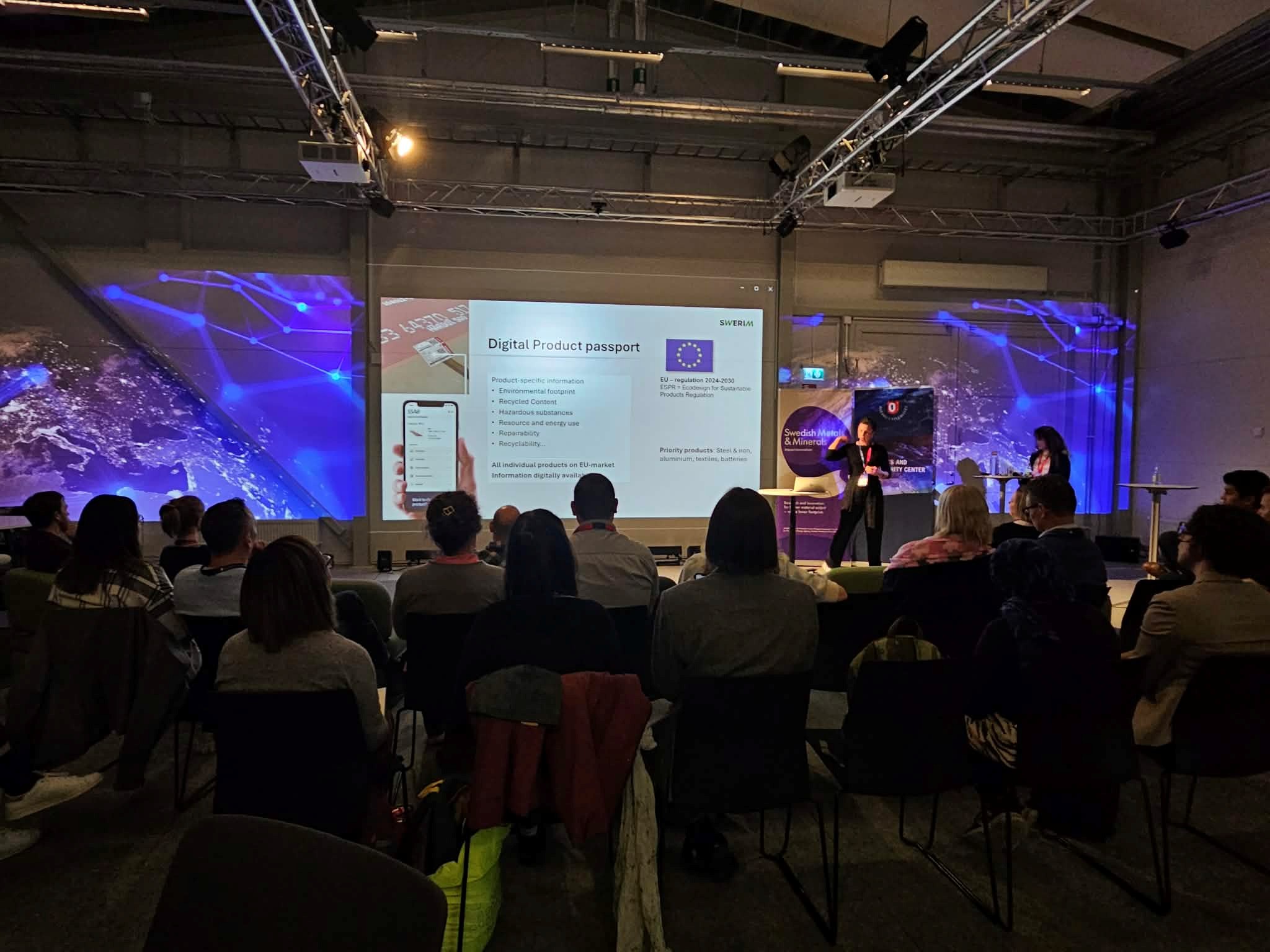
The programme also included the Swedish Metals & Minerals mission-strategic project on digital product passports, a broad consortium working with traceability and data across the metals value chain. This added a concrete industry perspective to the day: how digitalisation is becoming part of both regulation, business development and long-term competitiveness.
A live podcast on AI in physical production
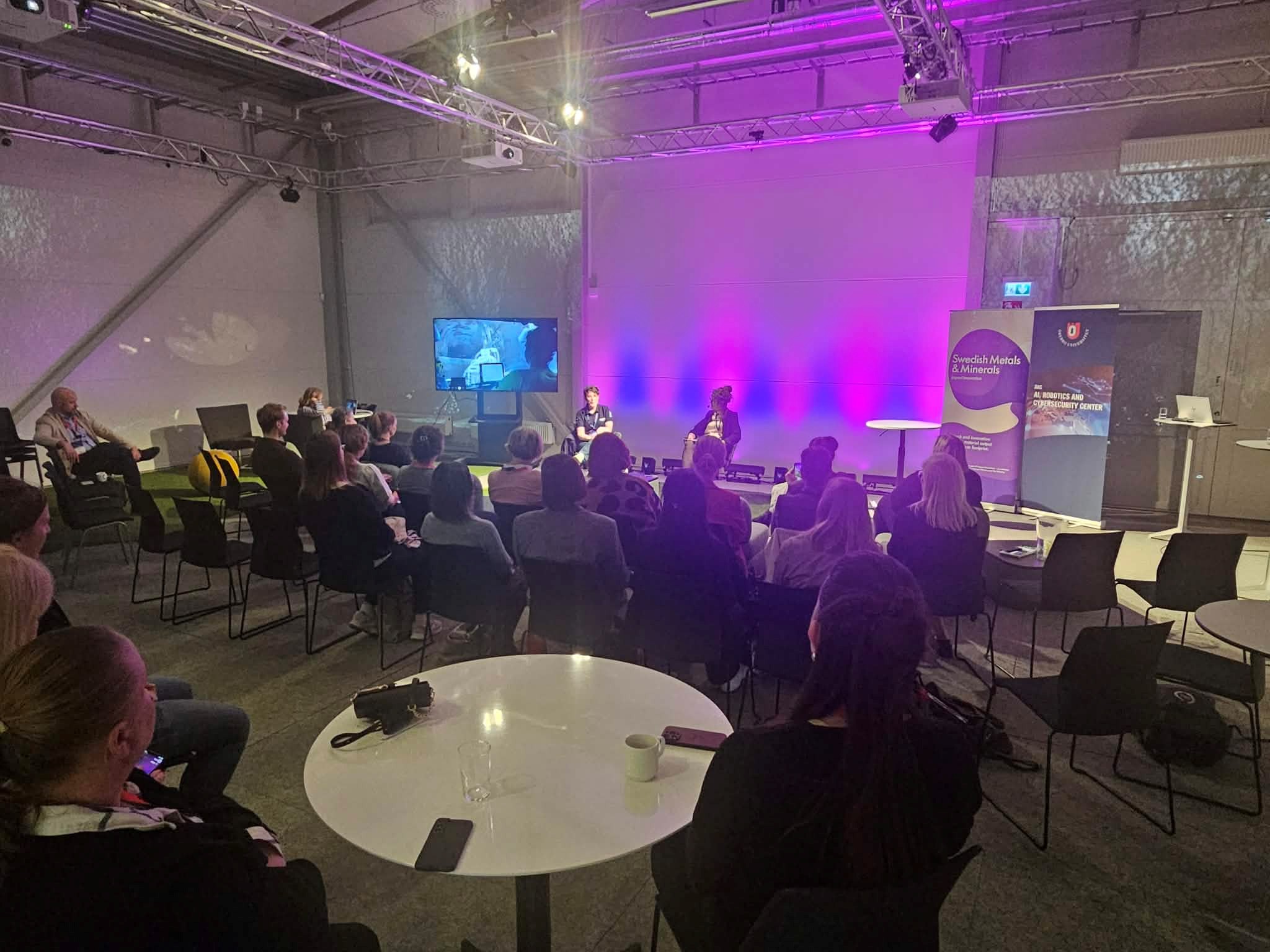
During the afternoon, Marc Hillander recorded a live episode of the podcast Vad fan ska jag ha AI till? together with Amy Loutfi from Örebro University, Åsa Gabrielsson from Epiroc and Mathias Forss from GeoPool.
The conversation focused on what AI can actually mean in heavy, physical production beyond general hype and abstract future scenarios. The panel discussed how AI can help identify patterns, support better decisions and create value in environments where the stakes are high, the systems are complex and implementation requires close collaboration between research and industry.
For Swedish Metals & Minerals, this perspective is central. AI is not a separate technology track, but one of several enablers in the wider transition towards a sustainable and resilient metals and minerals supply.
Women in Mining: careers, learning and the human side of technology
The final part of the day shifted the focus even more clearly towards people, competence and future career paths.
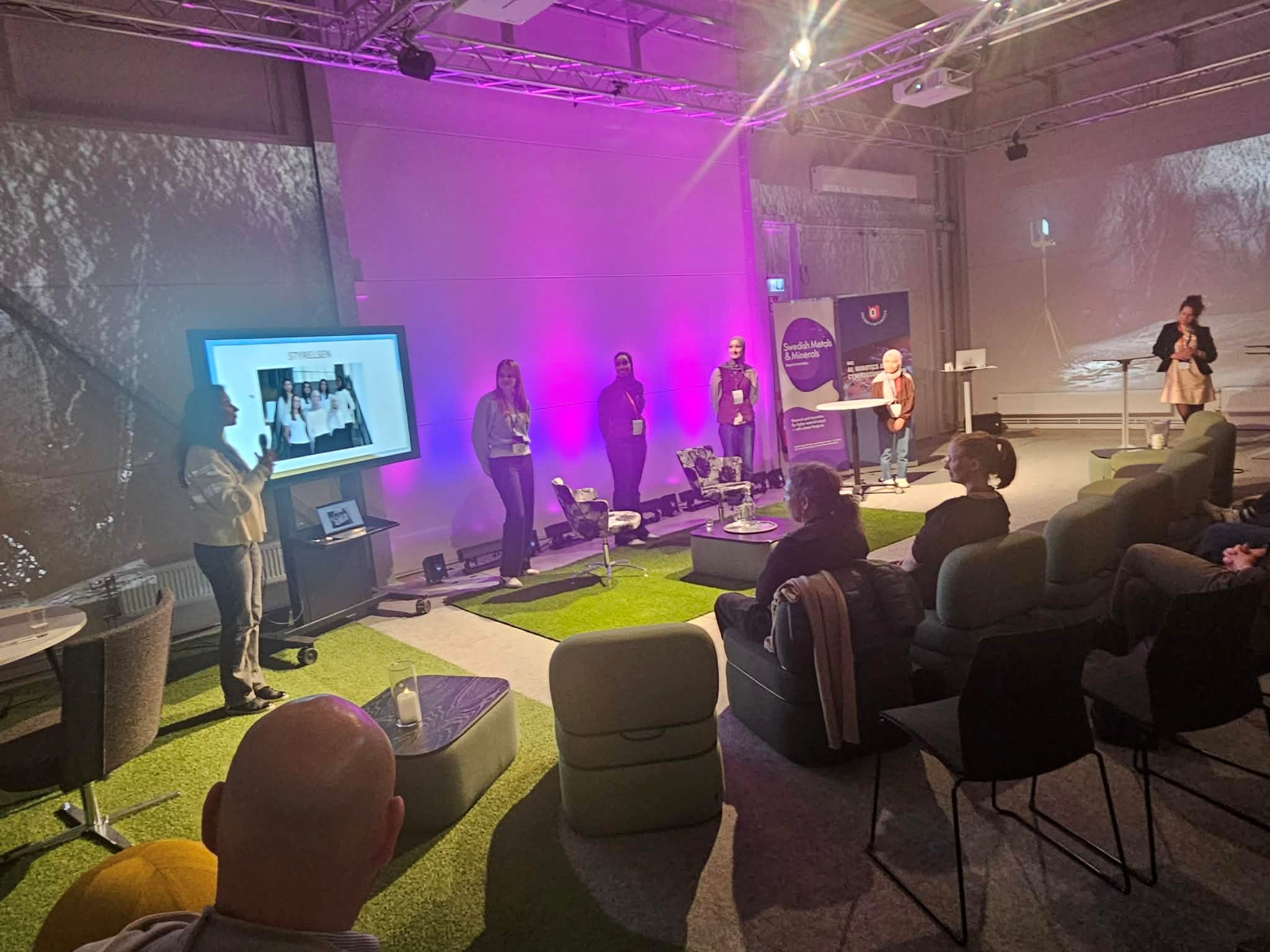
Women in Mining brought together industry representatives, students and researchers for conversations on lifelong learning, inclusion and career opportunities in the mining sector. The programme included discussions with Katarina Pietrzak from IVL Swedish Environmental Research Institute and Anja Hagerud from Boliden Zinkgruvan, as well as contributions from students in FemTek, the network for women and non-binary engineering and technology students at Örebro University.
According to Lotta Sartz, the student perspectives became one of the most valuable parts of the event.
“It was very inspiring to hear how the students think about the future, their careers and the opportunities they see in the mining industry. It also gave industry representatives a chance to listen to questions that are not always raised in traditional industry settings,” she says.
The conversation with Anja Hagerud, Group Manager Mining Technology at Boliden Zinkgruvan, opened up for many questions from the students. Some were about career choices and future opportunities. Others were more practical, such as what it is actually like to work in a mine, and whether equipment, clothing and workplaces are designed for different bodies and needs.
Those questions may seem simple, but they point to something important: attractiveness, inclusion and competence supply are built in the details of everyday working life.
Meeting places that make knowledge move
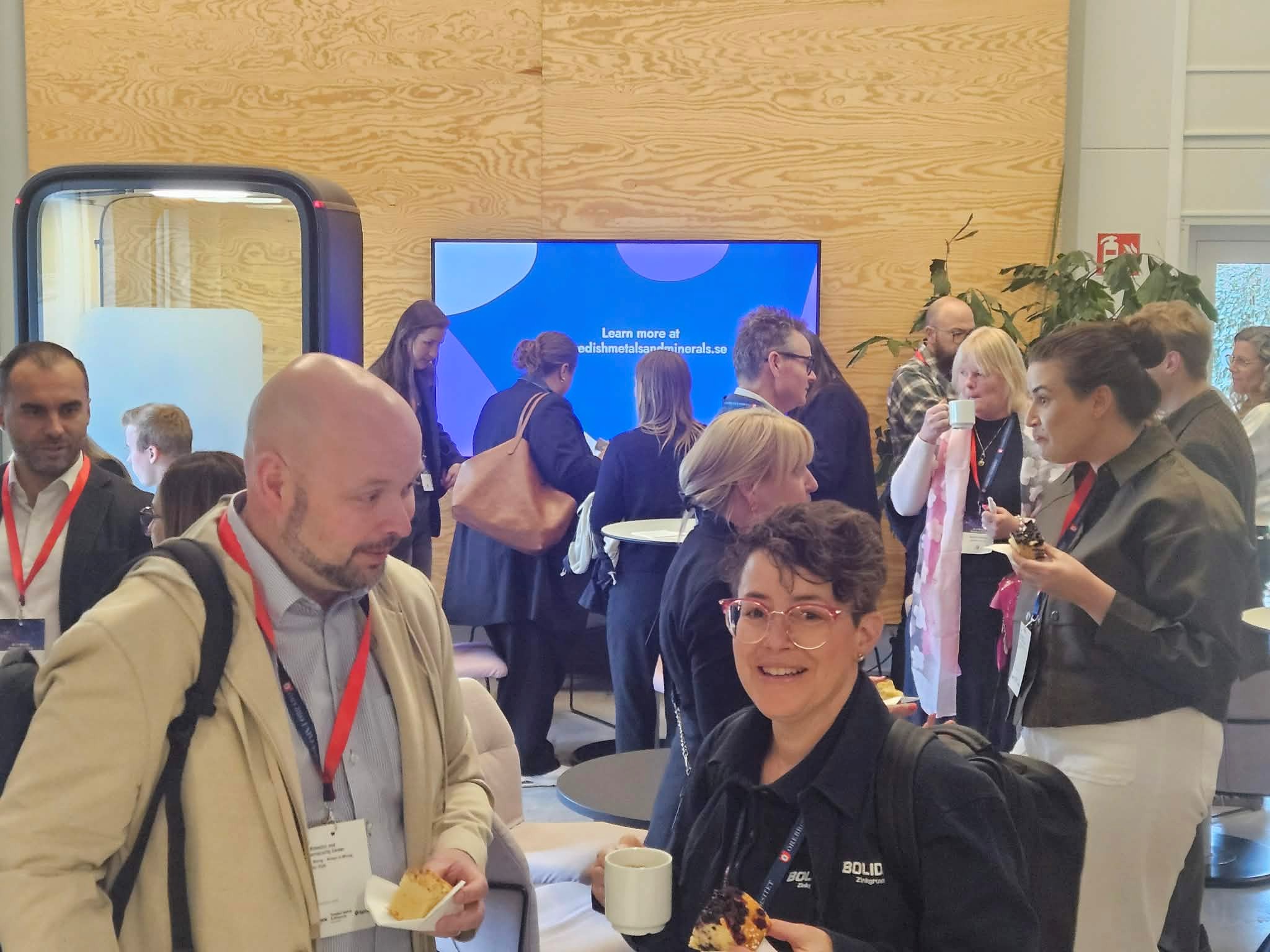
One of the strengths of the day was the mix of participants. Some joined the full programme, while others took part in the AI sessions, the podcast recording or Women in Mining. This created a dynamic flow of people, perspectives and conversations throughout the day.
For Lotta Sartz, this is exactly why meeting places like this matter.
“Innovation rarely happens in isolation. It requires networks, new perspectives and people finding each other,” she says.
The day also showed how knowledge moves between people. Participants who had been part of the earlier sessions explained discussions and insights to those who joined later. Researchers met students. Industry actors listened to future engineers. Technology discussions became conversations about learning, culture and implementation.
This is where Swedish Metals & Minerals has an important role to play: bringing together actors across the value chain and creating arenas where technical, social and organisational perspectives can meet.
Technology and people must develop together
The transition in the mining and metals industry depends on advanced technology, data and digital tools. But it also depends on people who can understand, use, question and further develop those tools.
AI in Mining and Women in Mining showed that these perspectives cannot be separated. A sustainable and resilient metals and minerals supply requires both technological development and strong conditions for competence, learning, inclusion and collaboration.
The day in Örebro was therefore not only about AI, mining or career opportunities. It was about how the industry can build the capacity to change, together.
Swedish Metals & Minerals would like to thank Örebro University, ARC, Marc Hillander, all speakers, panel participants, students and participants who contributed to a day full of knowledge, openness and new connections.
Photos: Niclas Dahlström, Swedish Metals & Minerals