New book gives industry tools to reach young people
News

Reaching Young People: The Anthropologist’s Guide to Communication That Works
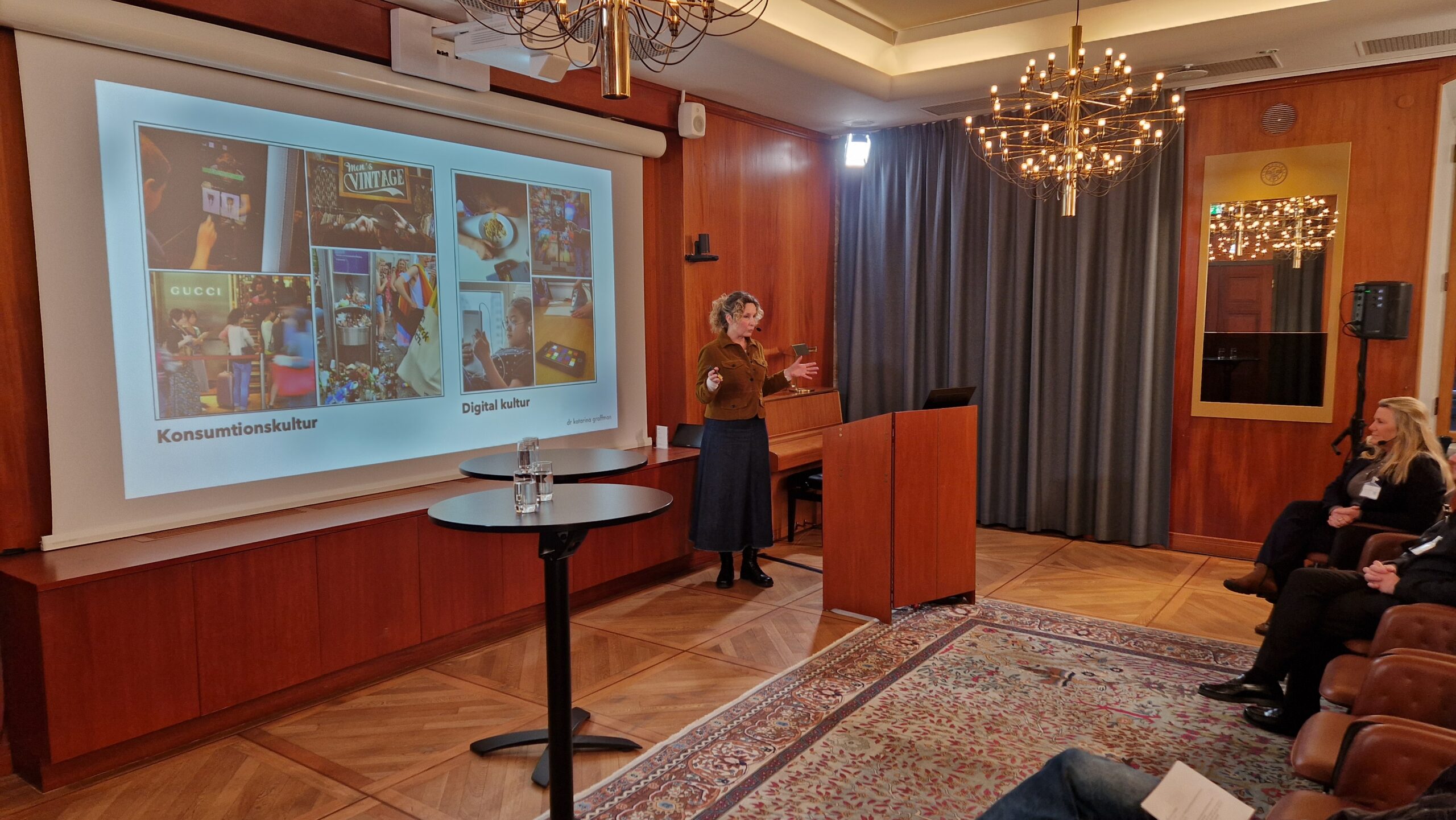
On 11 February, Katarina Graffman’s new book on how companies can understand and reach young audiences was launched. At the breakfast seminar at Jernkontoret, around 80 participants attended in person and about 100 joined online to hear insights and discuss how industry can strengthen its skills supply through more effective communication.
How do you actually reach today’s young people? That question is at the heart of Reaching Young People: An Anthropologist’s Guide to Communication That Works by Dr Katarina Graffman, PhD in anthropology and an expert on young people’s media behaviours. The book was initiated by Swedish Metals & Minerals and Jernkontoret and was presented in connection with the seminar.
Young people’s values, behaviours and media habits are changing rapidly—and many companies find it difficult to communicate in ways that spark interest and build relationships. In the book, Graffman shares tools and perspectives on how organisations can create more meaningful and authentic communication with the digital generations.
Jernkontoret’s Technical Director, Gert Nilson, opened the seminar by describing the metals industry’s key challenges related to skills supply and the background to why Graffman was asked to develop a guide.
“We have worked hard for many years to improve our skills supply, and we are making progress—but we still don’t quite reach young people. That’s why we asked Katarina Graffman to help us, and her guide turned out so well that we want everyone who is interested to be able to access it,” said Gert Nilson.
In her presentation, Graffman highlighted common misunderstandings and pitfalls in companies’ attempts to engage young audiences—and the need for more realistic, anthropologically grounded strategies.
“For many years, young people have been seen as a homogeneous group that can be influenced with the right messages or incentives. But younger generations are complex, and successful communication is about understanding their context—not trying to shape them,” said Katarina Graffman.
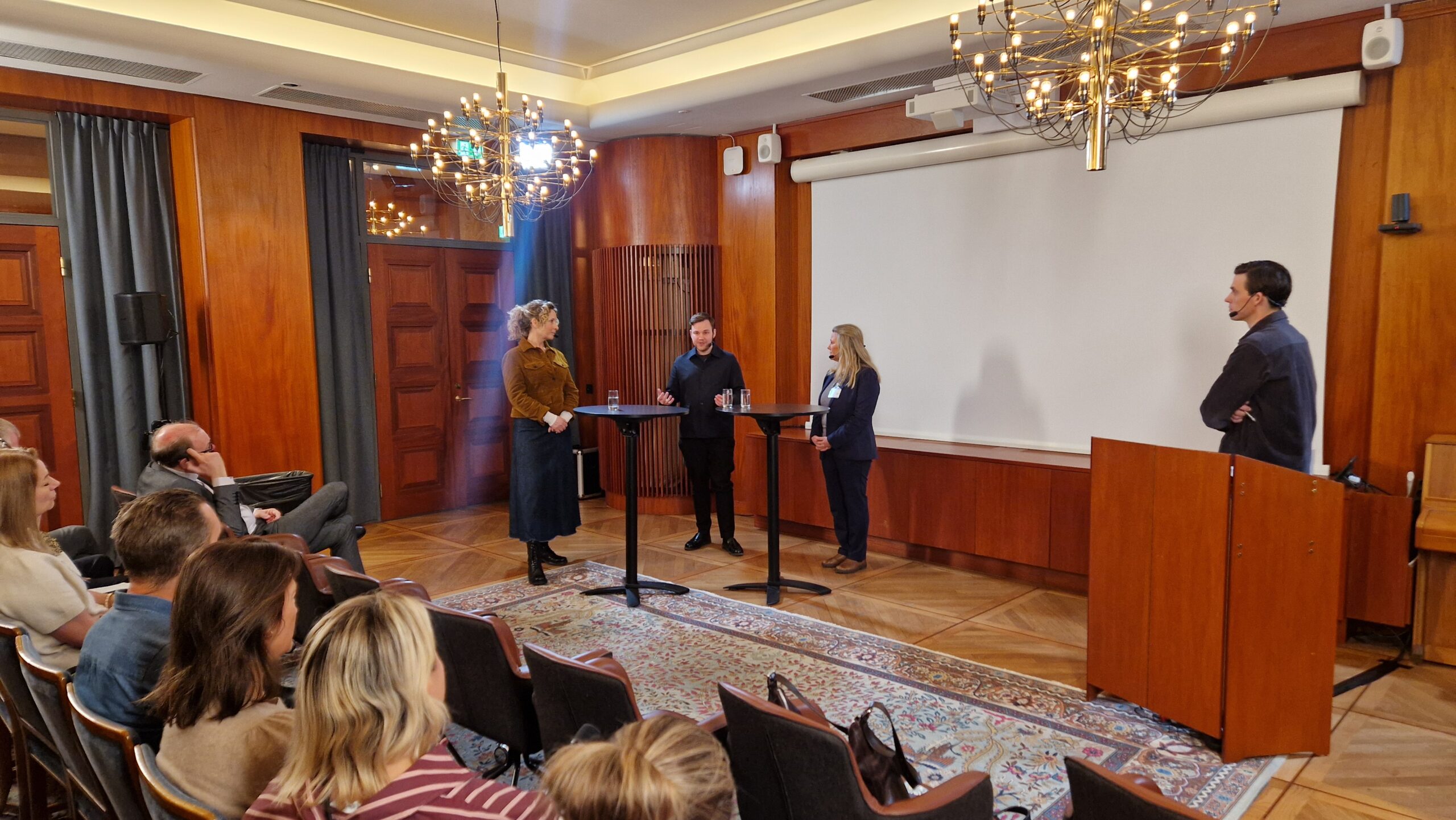
The presentation was followed by a panel discussion with Katarina Graffman, Johannes Gustavsson (a communications consultant specialising in youth communication) and Veronica Magnusson (Head of the Competence Centre at Alleima). The panel shared key takeaways from the book and practical examples of how organisations can work to reach young audiences. The seminar concluded with each panellist offering three concrete pieces of advice for companies that want to engage young people.
————————————————————————–
The anthropologist’s 5 most important tips:
-
Define your target audience—and the different “tribes” within it
Be as specific as possible about who you want to reach, why, and in which situations. Map the different tribes within your target group. -
Identify each tribe’s “lighthouses”
Who do they trust and follow—helpers, friends, celebrities? Choose lighthouses who can act as ambassadors in each tribe, and make sure their self-image and identity align with your message. -
Find out what the tribes see as meaningful
Study the audience’s behaviours, needs and context. Start from what engages them and create communication that builds relationships — not interruptions. -
Learn where the audience is active—channels and contexts
Meet them where they are instead of interrupting their feeds with “irrelevant advertising.” -
Dare to say no
If the content, tone of voice or channel choice feels uncertain in any way, say no.———————————————————————-
Watch on Swedish Metals & Minerals’ YouTube channel
(In Swedish)
The event was organized by Swedish Metals & Minerals and Jernkontoret