Steel Day 2025
News
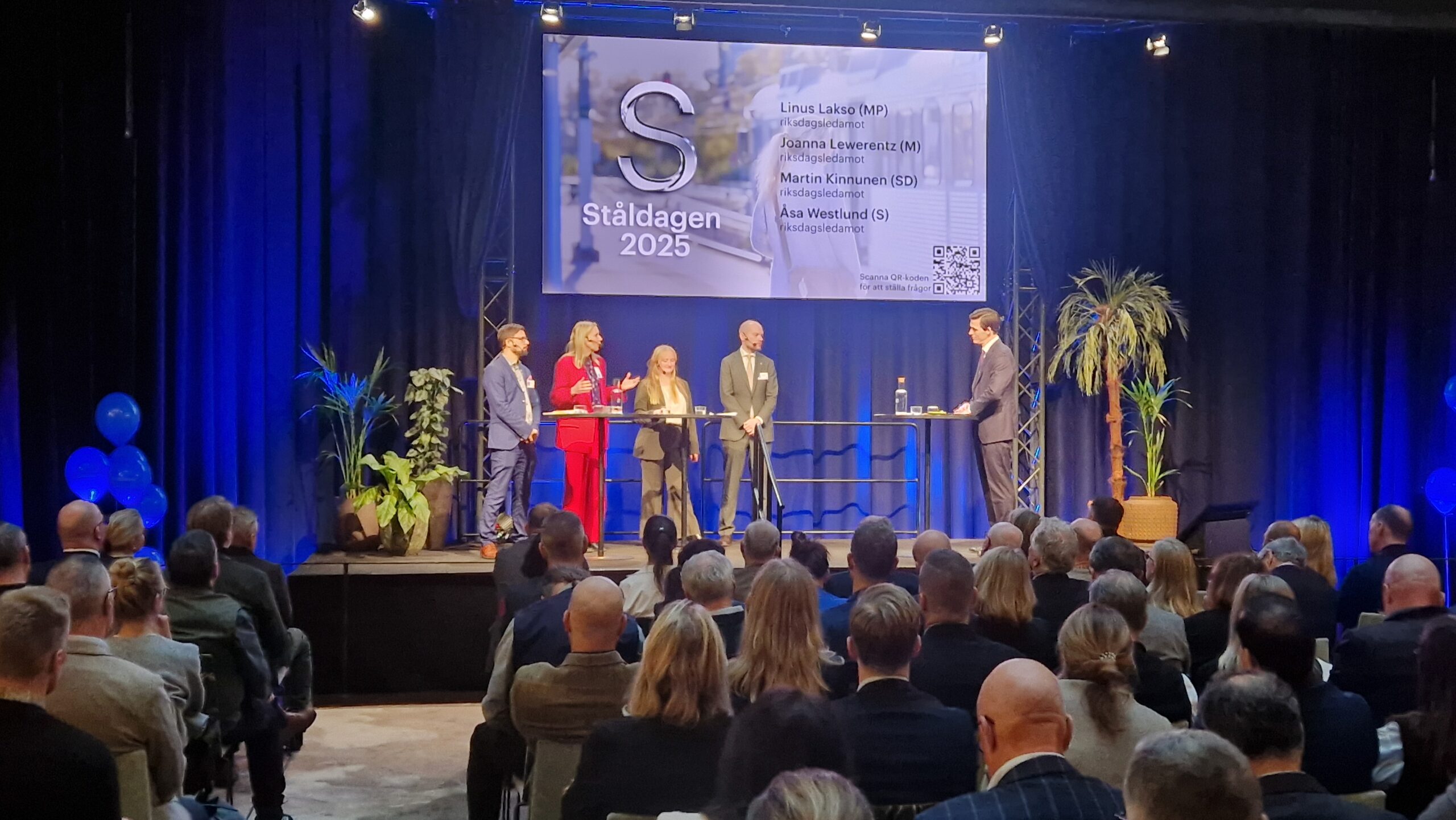
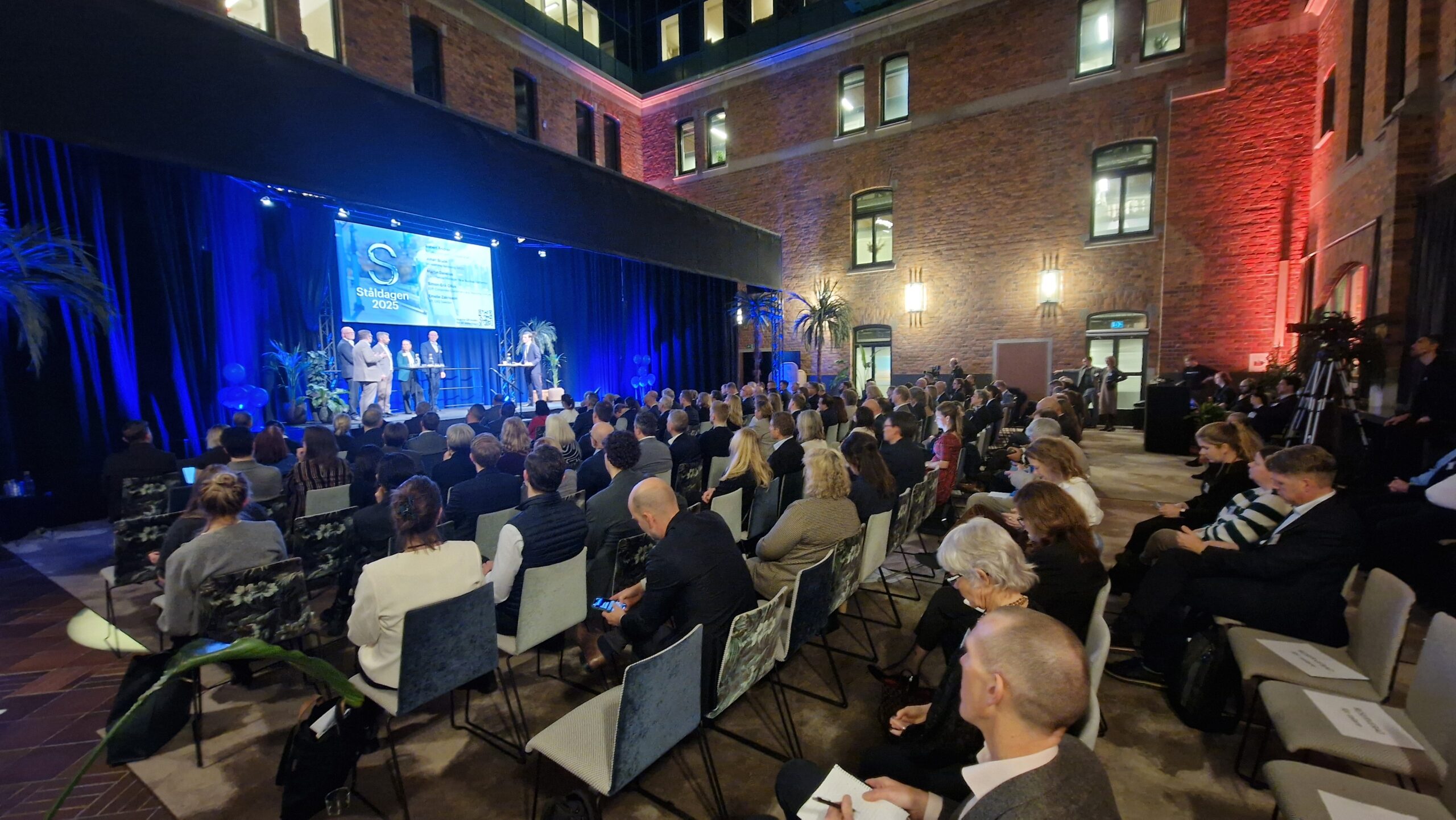
Faster permitting, reliable energy and coordinated implementation emerged as the key enablers for fossil-free steel.
Across panels and keynotes, the strongest theme was the need for faster and more predictable permit processes. Uncertain timelines increase cost and risk and influence where companies choose to build the next phase of fossil-free production.
Climate and Environment Minister Romina Pourmokhtari presented the government’s plan for a national permitting authority and policy changes intended to shorten and clarify processes. She also pointed to nuclear and wind investments as part of securing the power needed for industrial expansion.
Magdalena Andersson, party leader of the Social Democrats, stressed that transition must be durable and manageable for businesses and communities, noting that the economic and social foundation must hold for the climate transition to succeed.
From the industry, Johnny Sjöström, CEO of SSAB, underlined that companies are already investing at a large scale and need decisions that match industrial lead times. The message was practical: capital is committed, but momentum depends on system delivery.
Energy capacity and grid infrastructure were discussed as bottlenecks on the same level as permitting itself. Geopolitical uncertainty was mentioned as a factor increasing the stakes.
The conclusion emerging from Steel Day 2025 was straightforward: fossil-free steel is in motion, but success depends on coordinated progress in permitting, energy and implementation.