Strengthening metals and minerals supply through system innovation
News

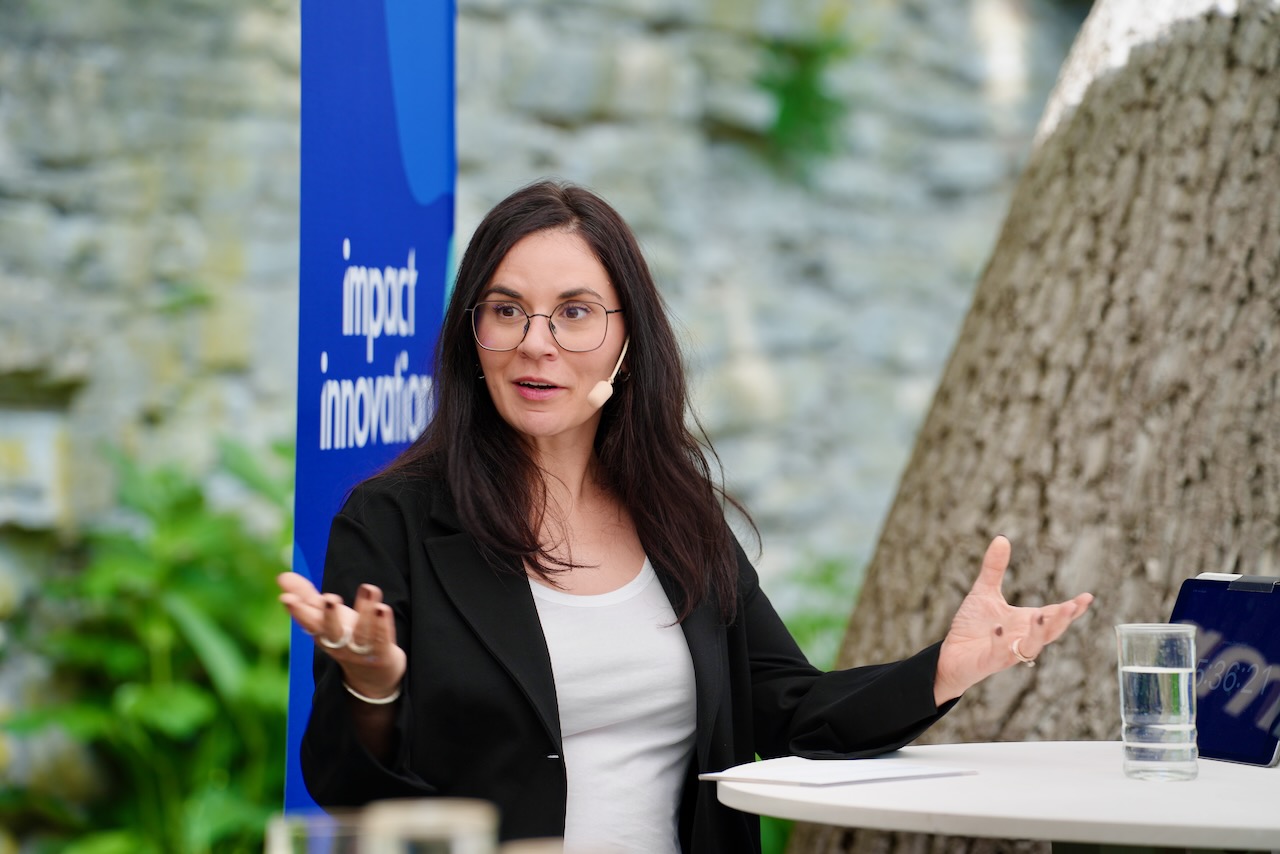
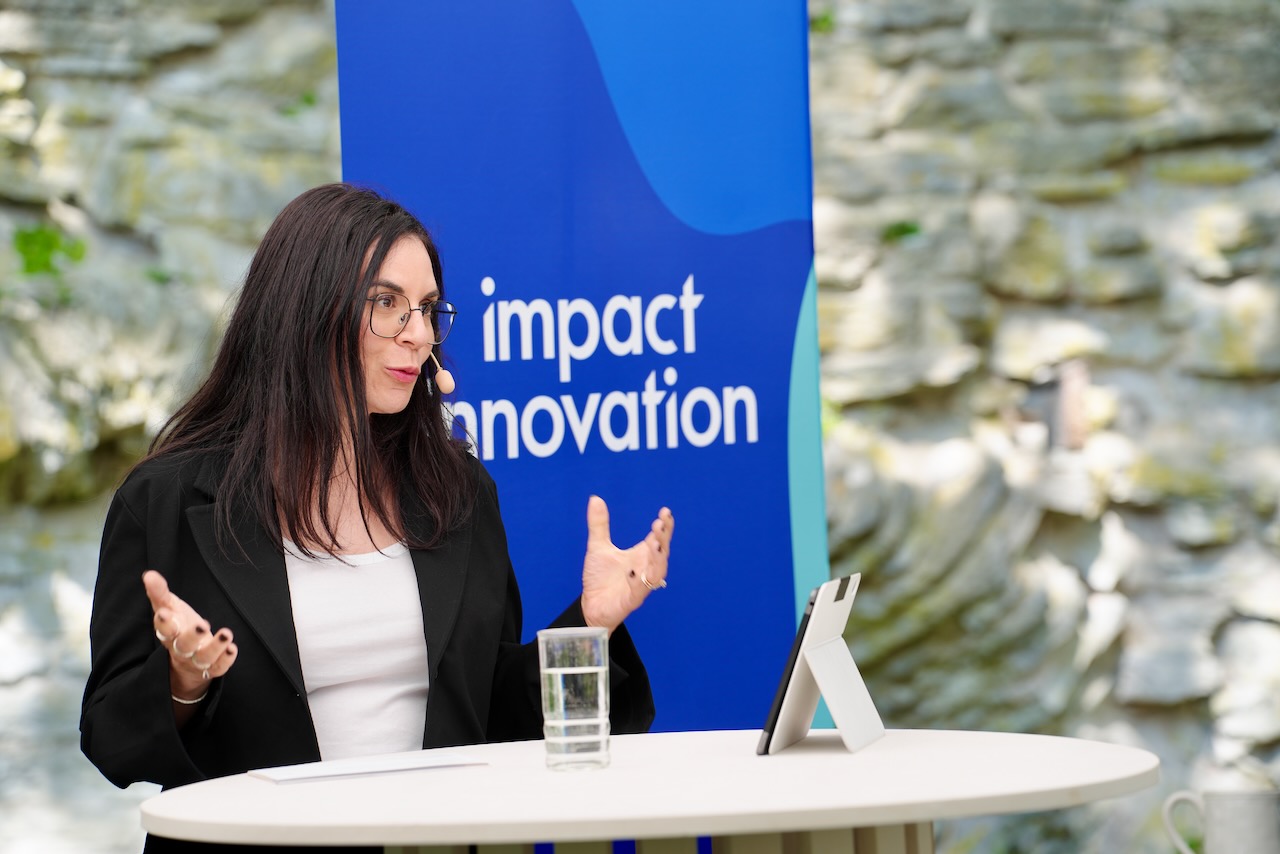
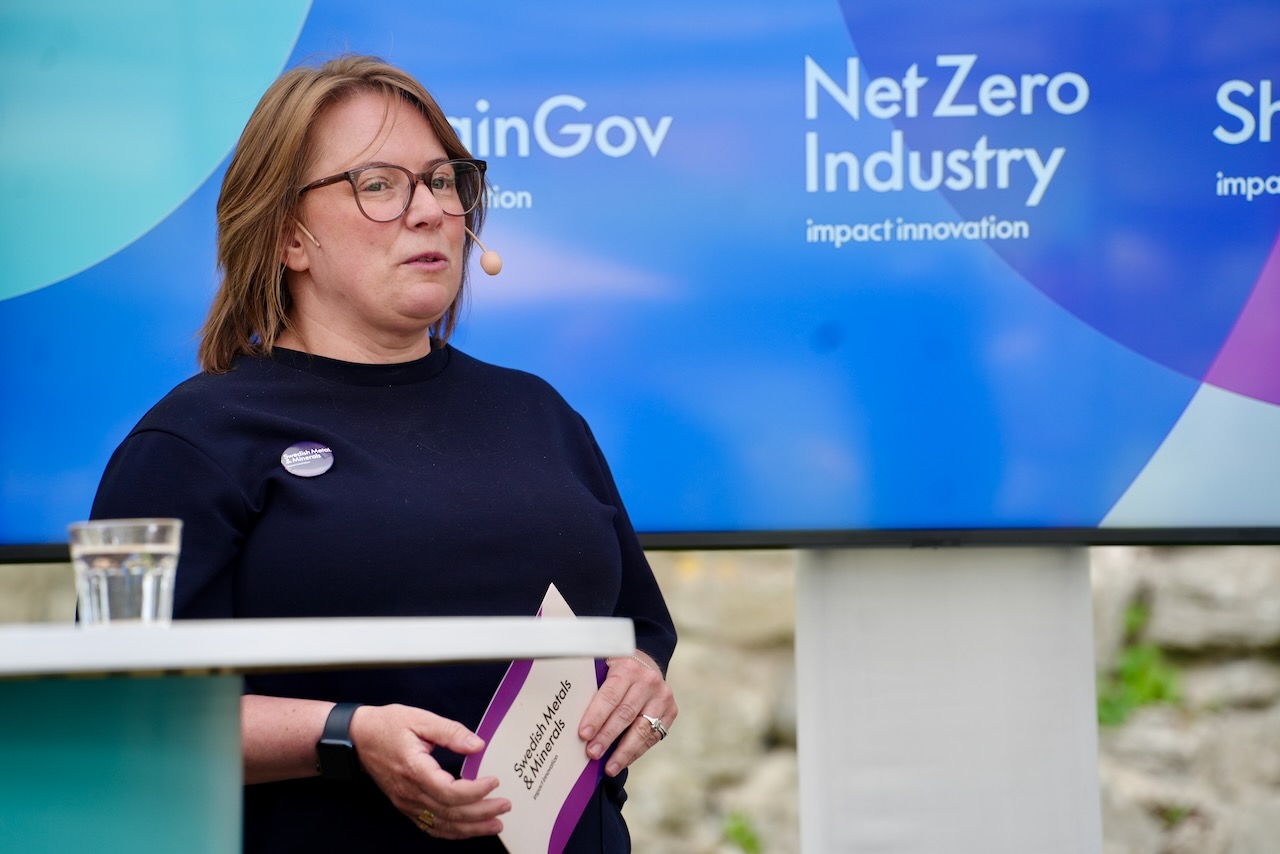
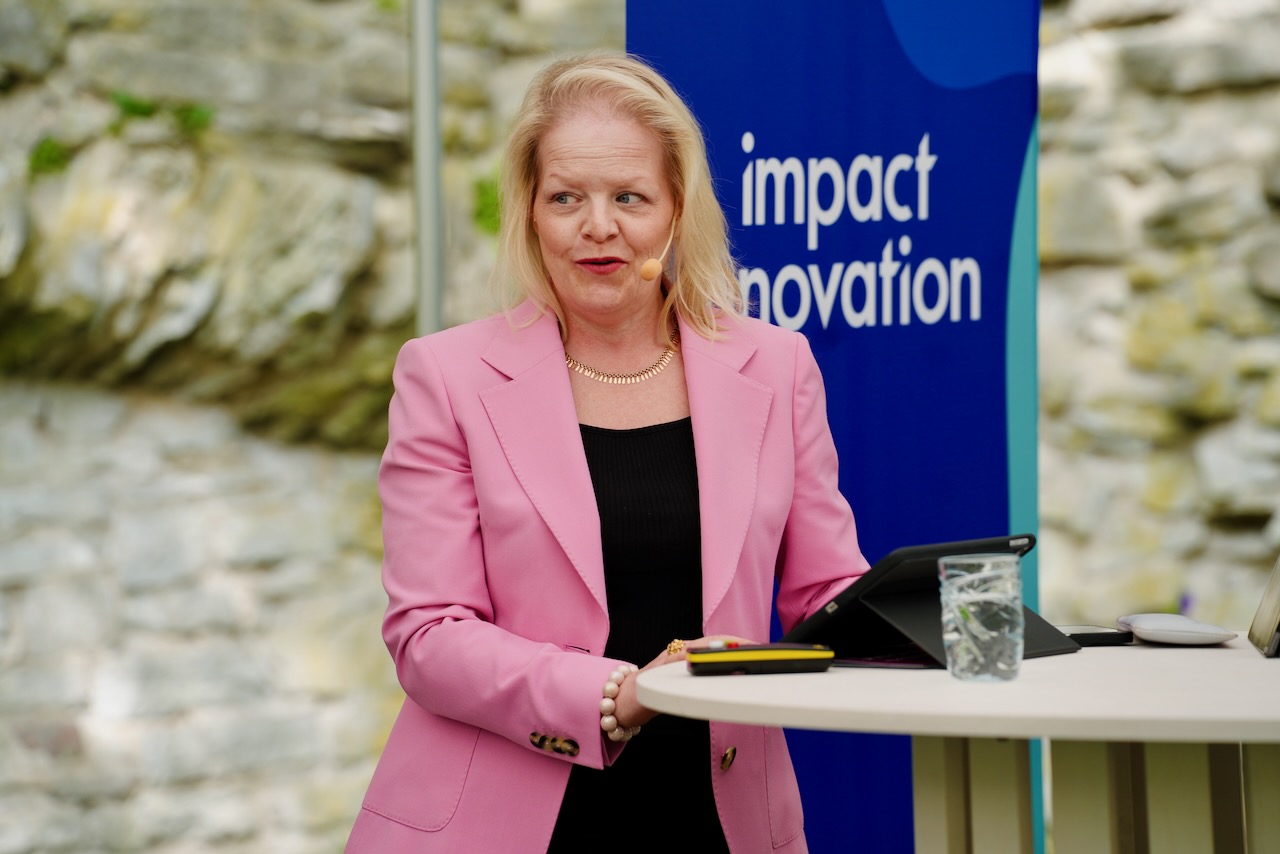
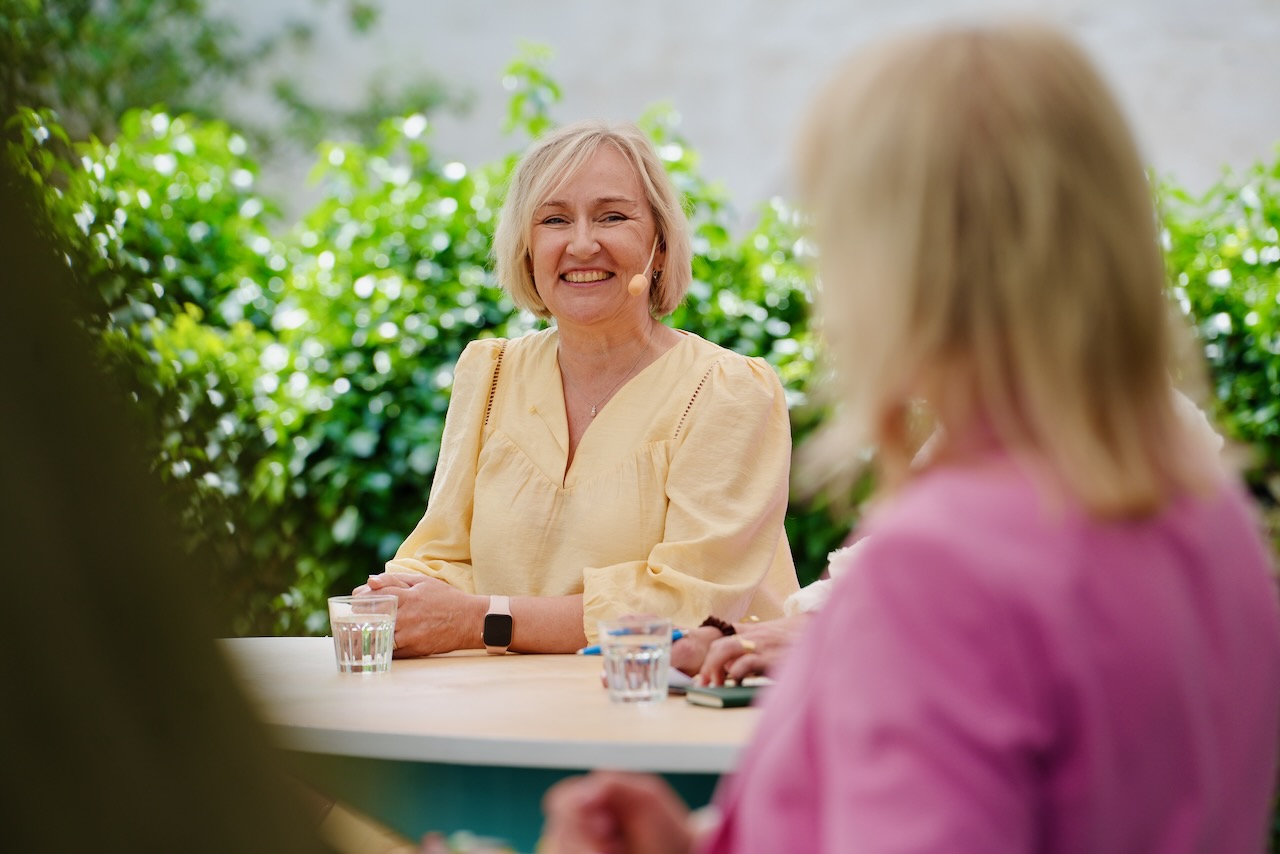
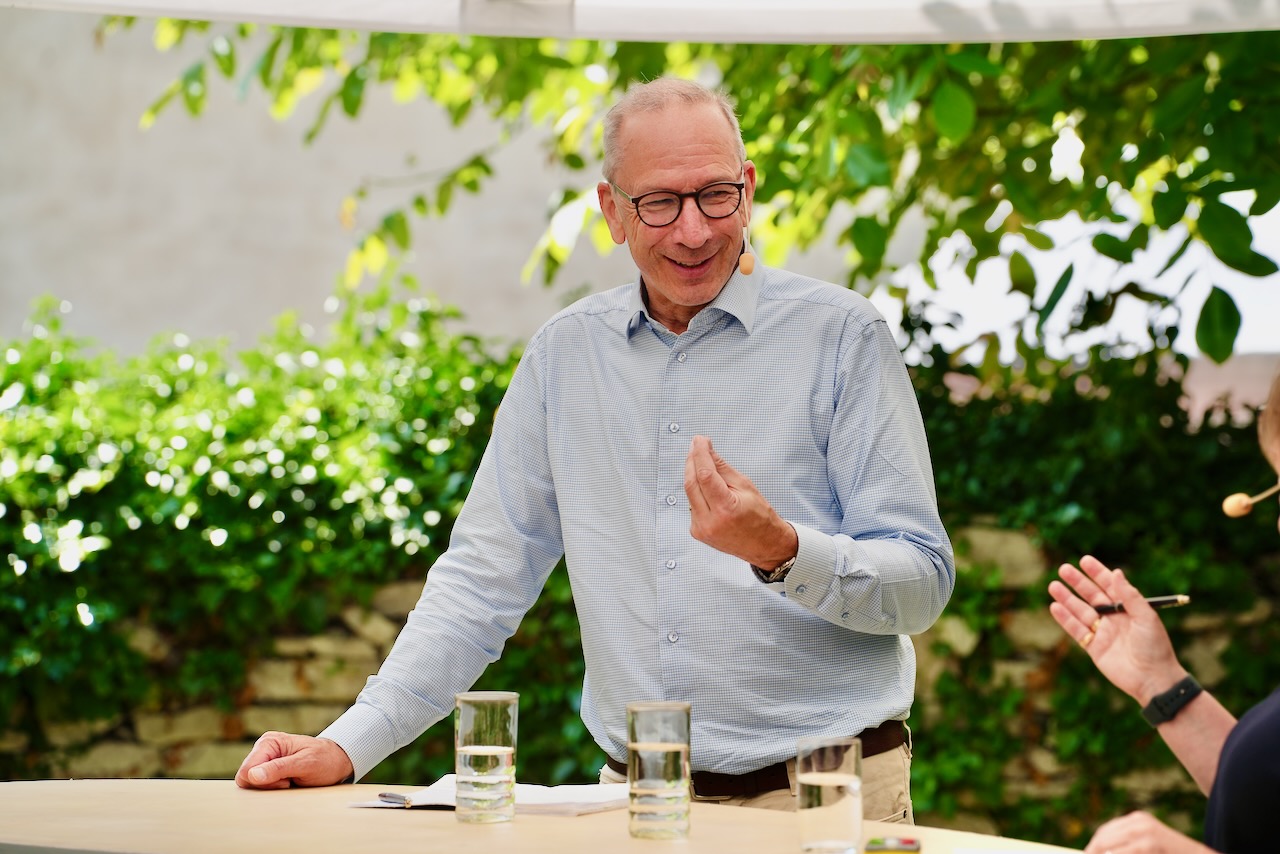
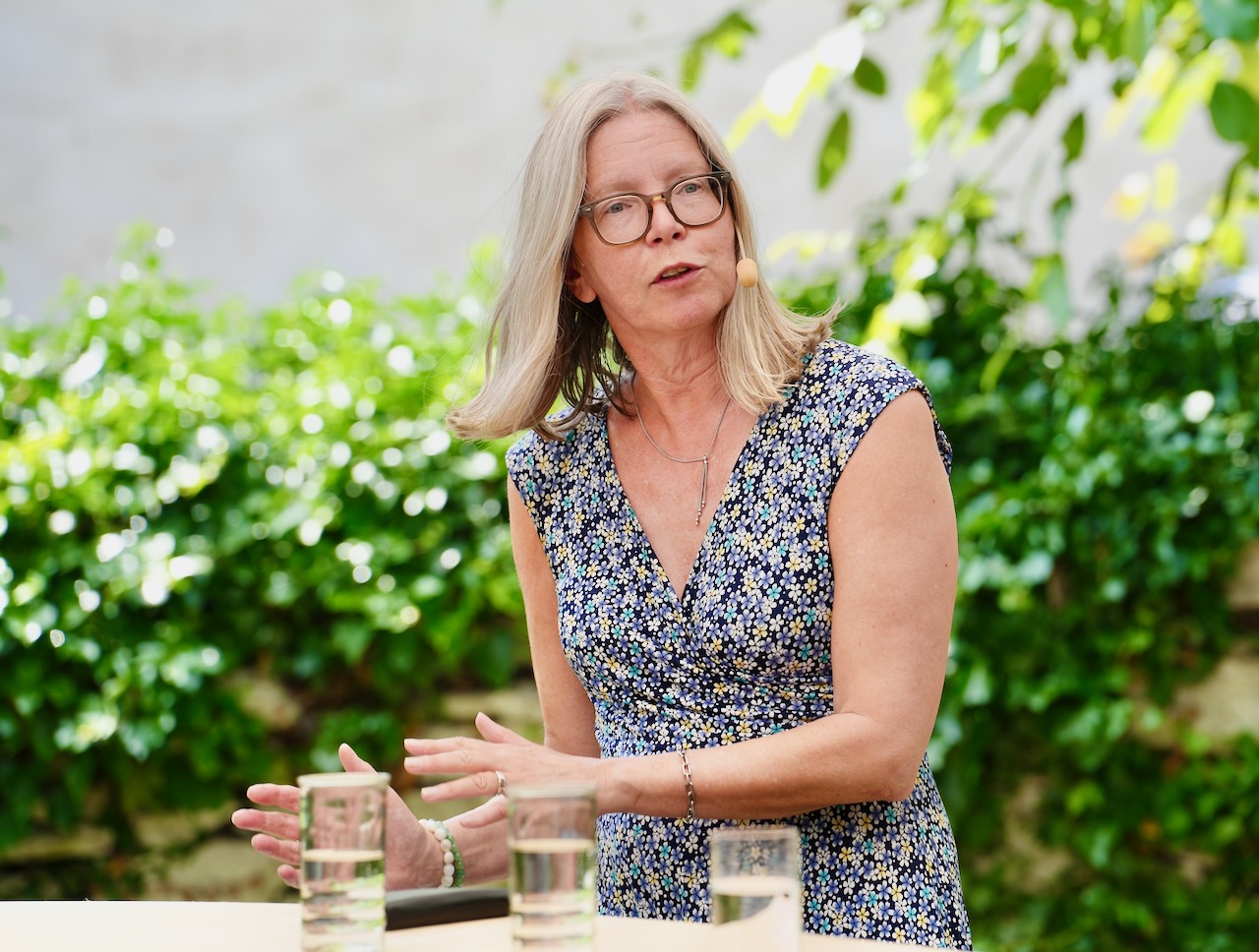
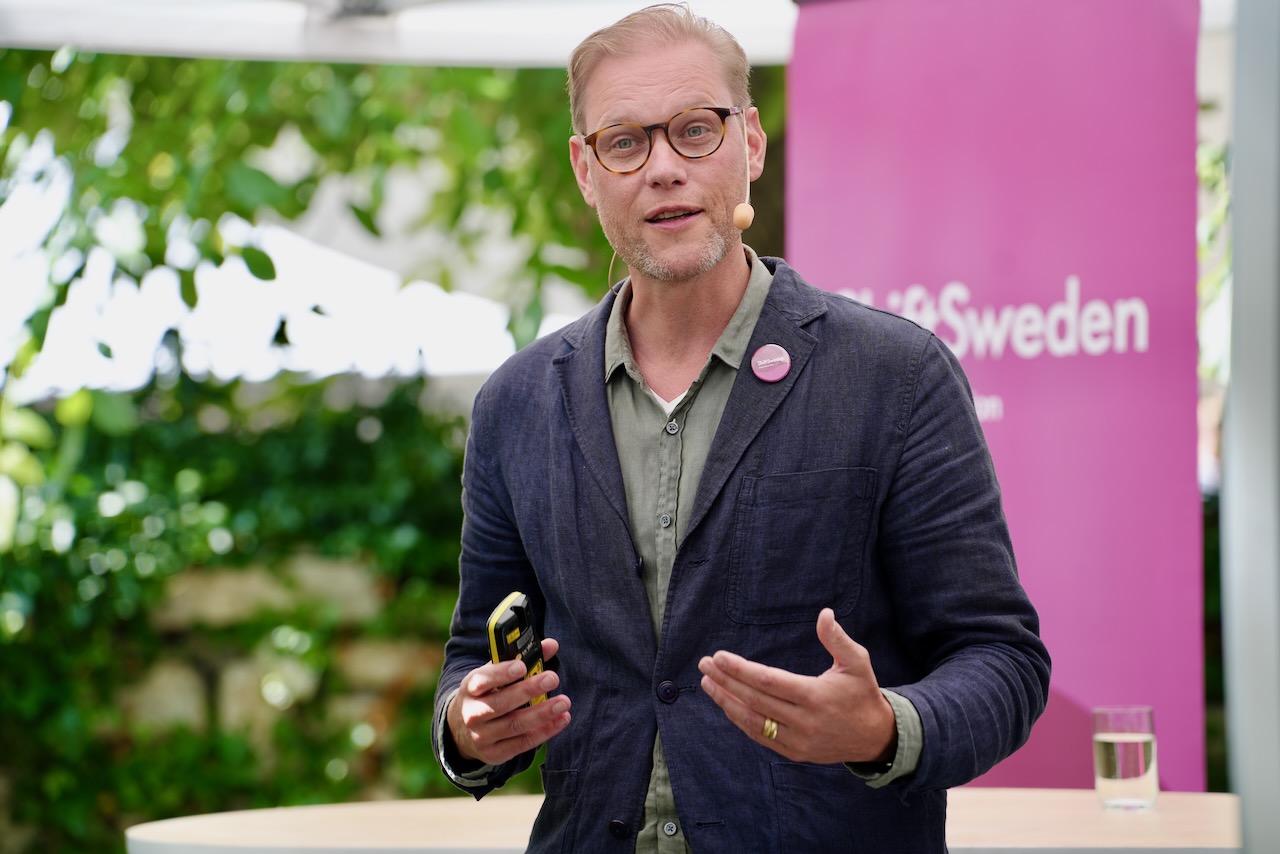
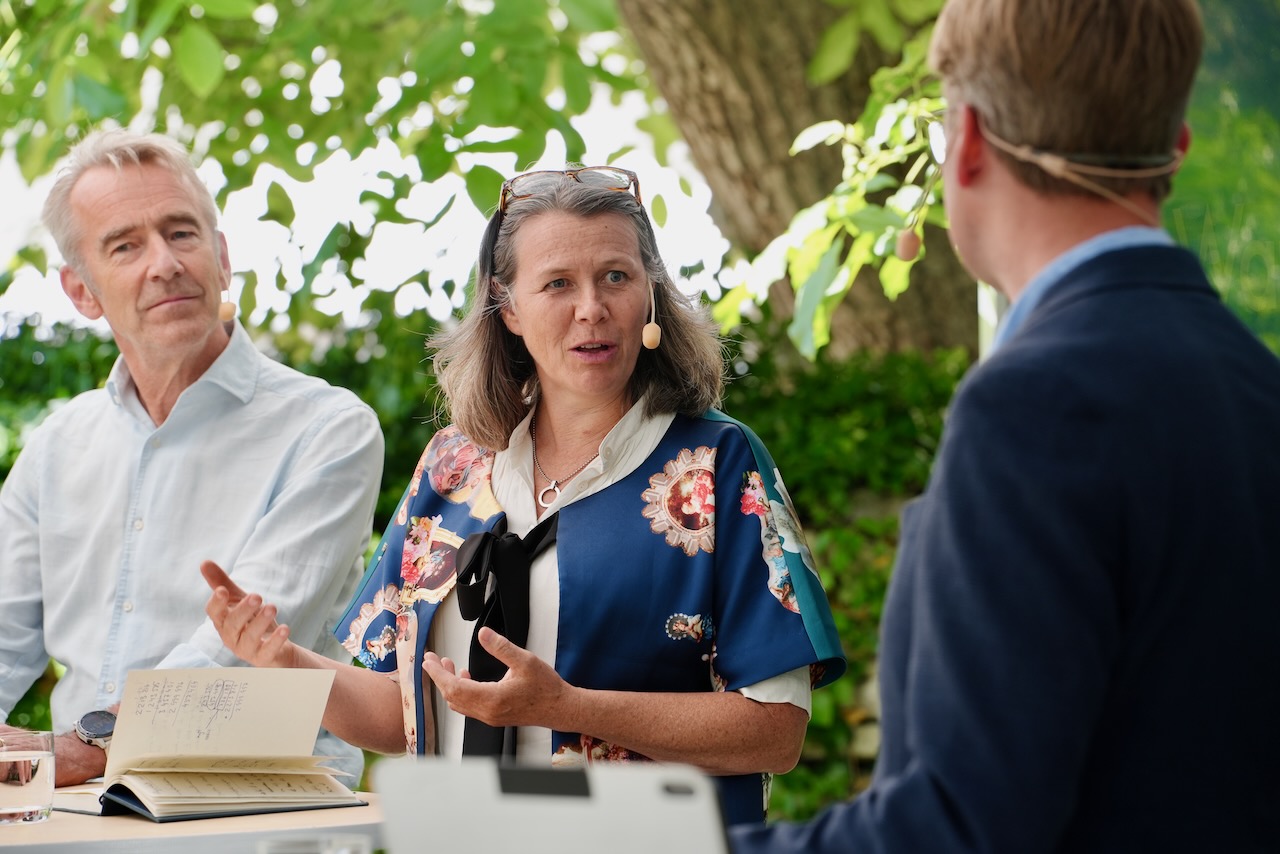
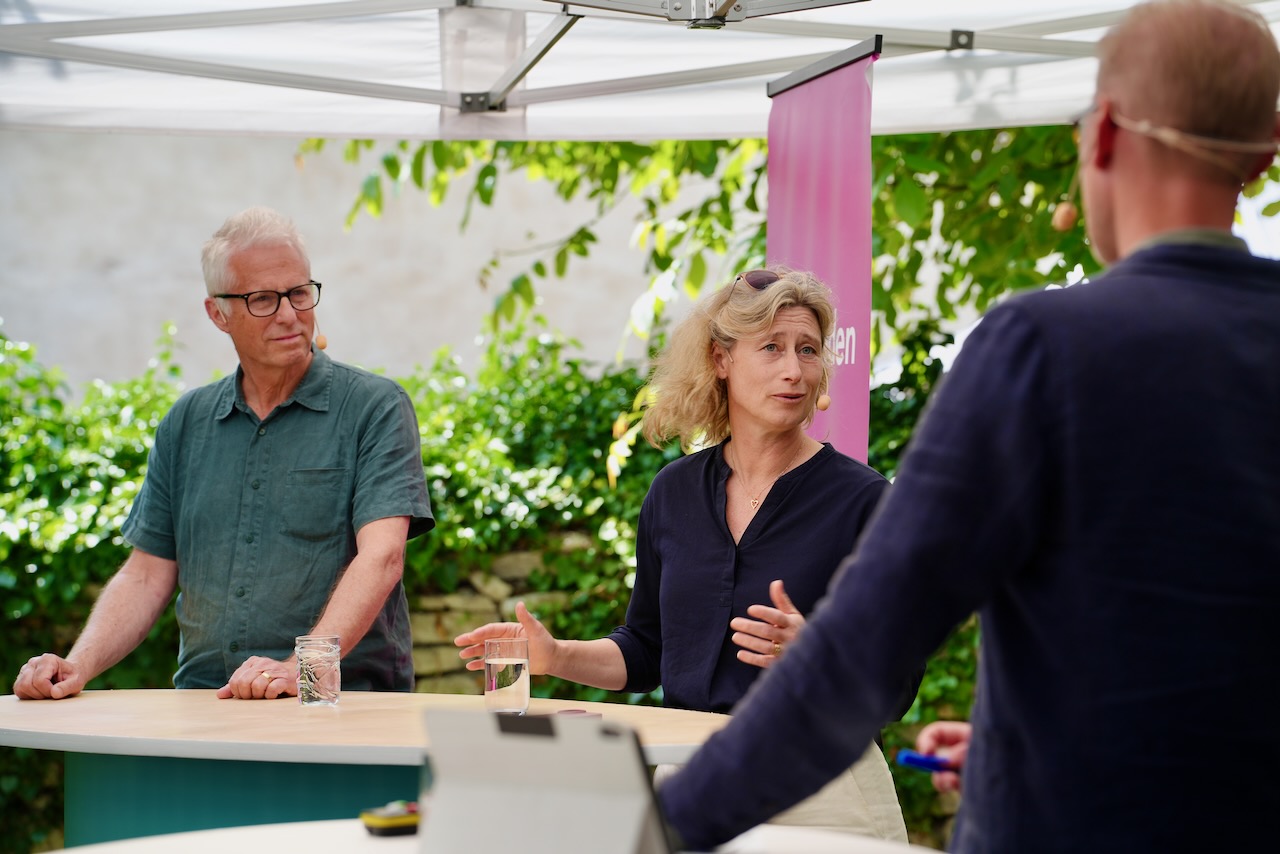
In photo: Håkan Herbertsson, Eva Blixt, Maria Swartling & Lotta Sörlin
How do we create the conditions for a sustainable and resilient supply of metals and minerals?
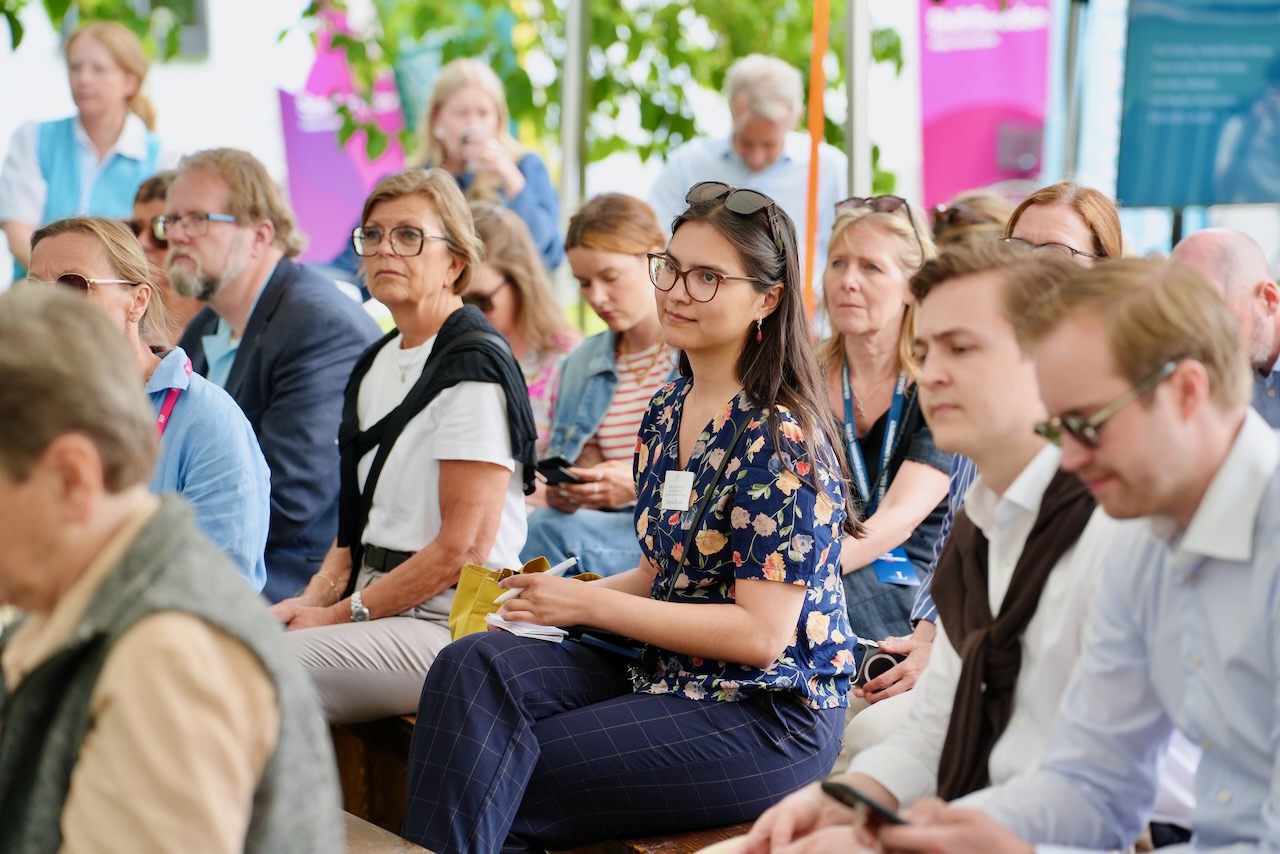
That question was at the centre of Swedish Metals & Minerals’ seminar Metal and mineral supply in a changing world, held during Almedalen Week 2026 as part of Impact Innovation’s joint program in Framtidens trädgård.
The seminar brought together perspectives from different parts of the metals and minerals ecosystem and highlighted a central message: technology alone is not enough. New solutions can only create impact when knowledge, regulations, collaboration and industrial capabilities develop alongside them. The discussion showed how technological innovation and system innovation need to progress together if Sweden is to strengthen the conditions for a sustainable, resilient and competitive metals and minerals supply.
Regulation shapes innovation
Eva Blixt, Jernkontoret, highlighted the importance of engaging early in European regulatory processes.
Many of the environmental and resource efficiency requirements affecting Swedish industry are developed within EU processes before becoming legislation. By contributing concrete knowledge and available technologies early, Swedish industry and research actors can improve their opportunities to influence future frameworks and support innovation.
Water management is a system challenge
Sophie Carler, Jernkontoret, described water as one of the key cross-cutting challenges for the sector.
Future solutions require better knowledge of water flows, improved treatment technologies and closer collaboration across organisations. As industrial systems become increasingly resource efficient, issues such as PFAS, metals and water quality become more interconnected. No single organisation can solve these challenges alone.
Industrial capability is built together
Håkan Herbertsson, Swedish Foundry Association, focused on the importance of industrial collaboration.
Although Sweden’s foundry industry is relatively small in absolute terms, it is among Europe’s strongest on a per-capita basis. Long-term collaboration between companies, research organisations and the wider value chain strengthens the sector’s ability to develop new knowledge, adopt new technologies and remain internationally competitive.
Initiatives such as the Swedish Metal Casting Excellence Center show how shared capabilities can contribute to long-term industrial resilience.
Looking beyond technology
A recurring theme throughout the seminar was that the transition requires more than technological development.
Innovation also depends on the surrounding conditions: regulations that enable new solutions, knowledge that supports implementation, collaboration across the value chain and relationships that build trust between industry, research, policymakers and society.
This systems perspective lies at the heart of the Swedish Metals & Minerals mission: to enable a sustainable and resilient supply of metals and minerals for the societal transition.
Swedish Metals & Minerals would like to thank Eva Blixt, Sophie Carler and Håkan Herbertsson for contributing their perspectives, everyone who joined us in Visby and online, and our colleagues across the Impact Innovation programs for creating an important discussion on the future of Sweden’s industrial transition.
Watch the seminar (in Swedish)
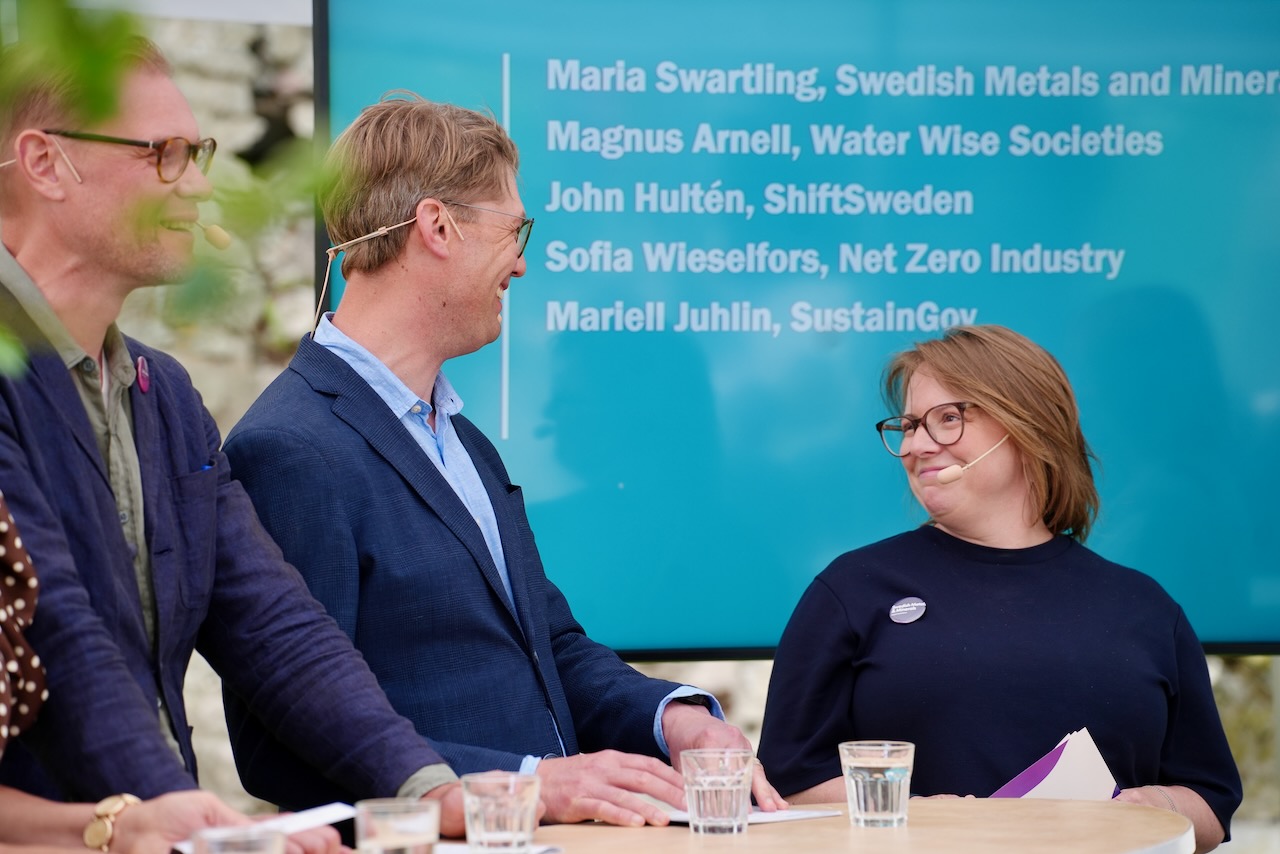
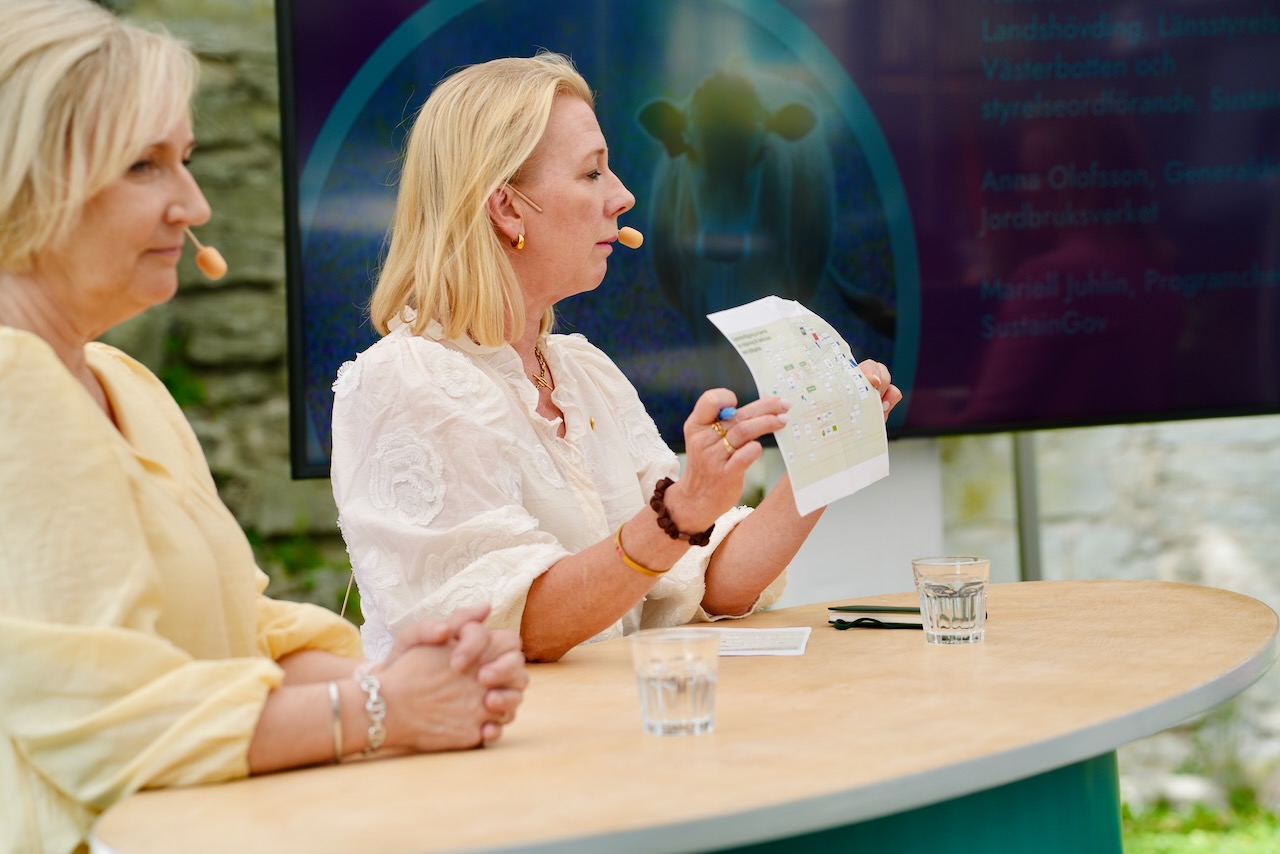
In photo below: The Program Directors of the five Impact Innovation programs.

Photo Gallery from "Framtidens trädgård" and Almedalen 2026