CRMA identifies ways to improve permitting processes
News
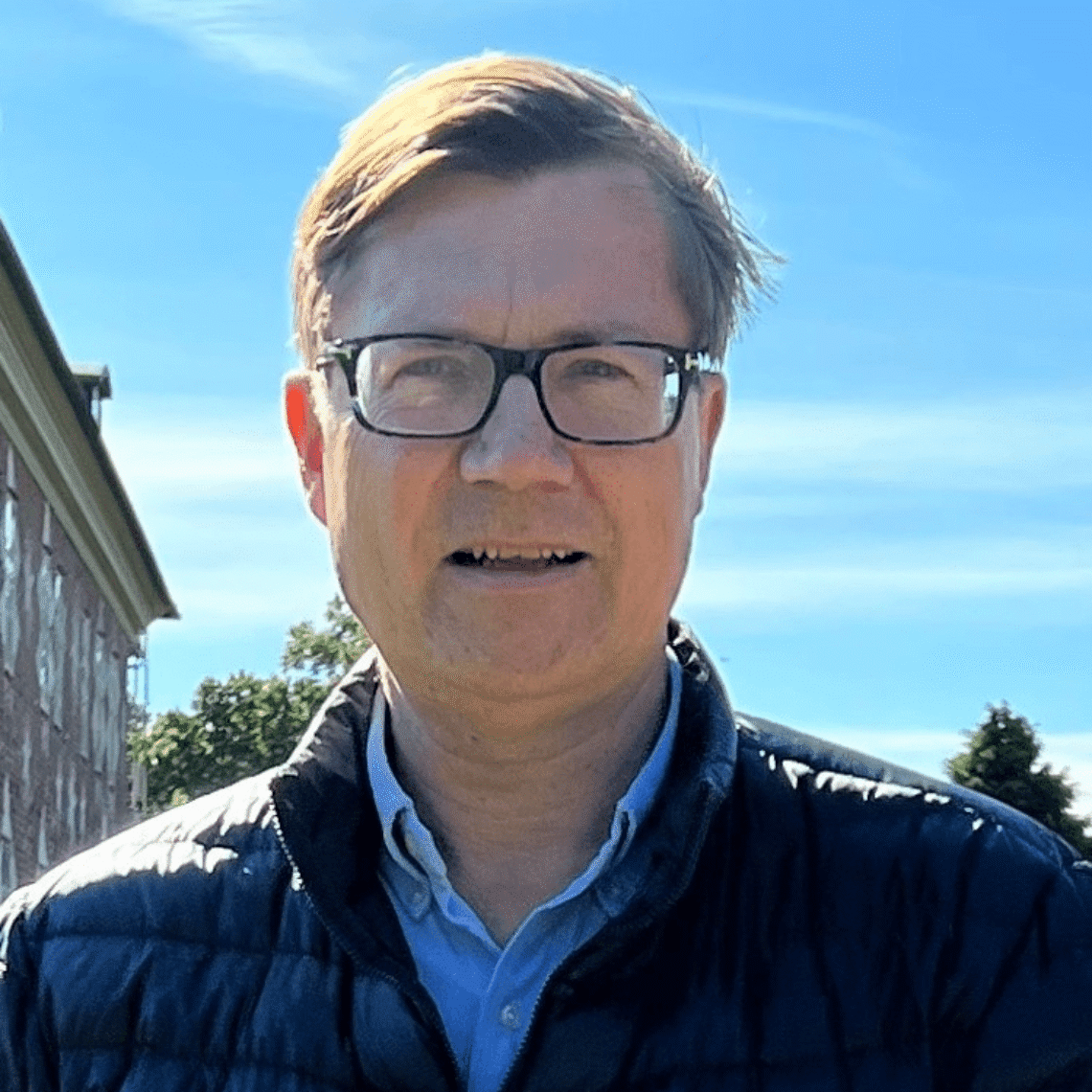
Jan Ots, Project Coordinator, IVL Swedish Environmental Research Institute. Photo: IVL
The CRMA research project has analysed why permitting processes for mining and mineral projects are often lengthy and conflict-ridden. The findings show that the challenges are largely related to insufficient dialogue, unclear roles and limited local capacity – rather than legal and technical issues alone.
The CRMA project, Collaboration and Policy Instruments for a Sustainable Mining and Metals Industry under the Critical Raw Materials Act, was initiated in response to the rapidly growing demand for critical and strategic raw materials driven by the green transition, electrification and changing geopolitical conditions.
Permitting processes for mining and mineral projects in Sweden have become increasingly complex, time-consuming and conflict-ridden. One important insight from the project is that conflicts are rarely primarily about technical or legal issues, but instead arise from interactions between different interests and stakeholders. It also became clear that dialogue between affected parties is often initiated too late in the process, when positions have already become entrenched and trust is limited.
“Addressing these challenges is essential, as access to critical raw materials is a prerequisite for the green transition and for strengthening Europe’s security of supply,” says Jan Ots, project coordinator for CRMA at IVL Swedish Environmental Research Institute.
When permitting processes are inefficient or lack perceived legitimacy, investments risk being delayed or not taking place at all. At the same time, the risk of local conflicts increases, particularly when the benefits of projects are not perceived as clear to local communities. The project shows that local acceptance is strongly influenced by how benefits and incentives are perceived.
The aim of the project was to analyse how permitting processes for mining and mineral projects work in practice and to develop proposals that can contribute to more efficient, legally sound and legitimate processes. A central focus was to develop indirect tools and support mechanisms that strengthen the capacity of municipalities and their ability to participate effectively in these processes.
Several structural challenges were identified during the project.
“These include insufficient coordination between authorities, unclear responsibilities and parallel processes. Municipalities often act reactively rather than proactively, and there is a clear gap between their responsibilities and their actual ability to influence decisions. Dialogue between stakeholders also frequently lacks continuity and begins too late,” says Jan Ots.
The project was carried out by an interdisciplinary consortium consisting of IVL Swedish Environmental Research Institute, Bergskraft Bergslagen, Swedish Geological AB and RMG Consulting. The work was complemented by extensive collaboration with external stakeholders.
Companies such as LKAB, Boliden, Brexia and Nordic Iron Ore contributed experiences from permitting processes, while municipalities, public authorities, Sámi reindeer herding communities and industry associations such as Svemin participated in dialogues and workshops. The collaboration followed an iterative approach, with findings continuously discussed and validated with different stakeholders.
The project has resulted in a comprehensive analysis of permitting processes and areas of conflict identified through case studies, surveys and workshops. This analysis has led to proposals aimed at improving the processes through stronger municipal capacity, early and structured dialogue, and better coordination between stakeholders.
The findings contribute primarily by clarifying how permitting processes work in practice and where the most significant shortcomings lie. The project demonstrates that efficiency is not simply a matter of reducing processing times, but also depends on better coordination, clearer roles and effective dialogue between affected parties. Building relationships early in the process is highlighted as particularly important, as a lack of trust is difficult to address at later stages.
An important and partly unexpected conclusion is that conflicts are largely connected to questions of legitimacy, perceived fairness and local benefits, rather than environmental or technical aspects alone. Consultation processes often contribute to greater understanding between parties but less frequently lead to consent. The project also shows that limited municipal resources represent a major bottleneck in permitting processes.
The project’s findings can inform continued policy development and efforts to implement the Critical Raw Materials Act (CRMA) in Sweden. They can also contribute to improved working methods among public authorities and municipalities, as well as continued dialogue between affected stakeholders.
“Several important questions remain, including how benefit-sharing mechanisms should be designed, how consultation processes can be developed and how responsibilities should be distributed between different levels of governance. There is therefore a clear need for further analysis and more in-depth work in this area, both through additional studies and practical application of the proposals developed within the project,” says Jan Ots.
Core consortium:
IVL Swedish Environmental Research Institute, Bergskraft Bergslagen AB, Swedish Geological AB and RMG Consulting.
Other project partners and contributors:
Georange, Storuman Municipality, Malå Municipality, Ludvika Municipality, Smedjebacken Municipality, LKAB, Georeality, Boliden, Nordic Iron Ore and Svemin, with contributions from public authorities, Sámi reindeer herding communities and other stakeholders through dialogues and workshops.