From Industry Needs to Research and New Collaborations – The First Swedish Metals & Minerals Program Conference
News
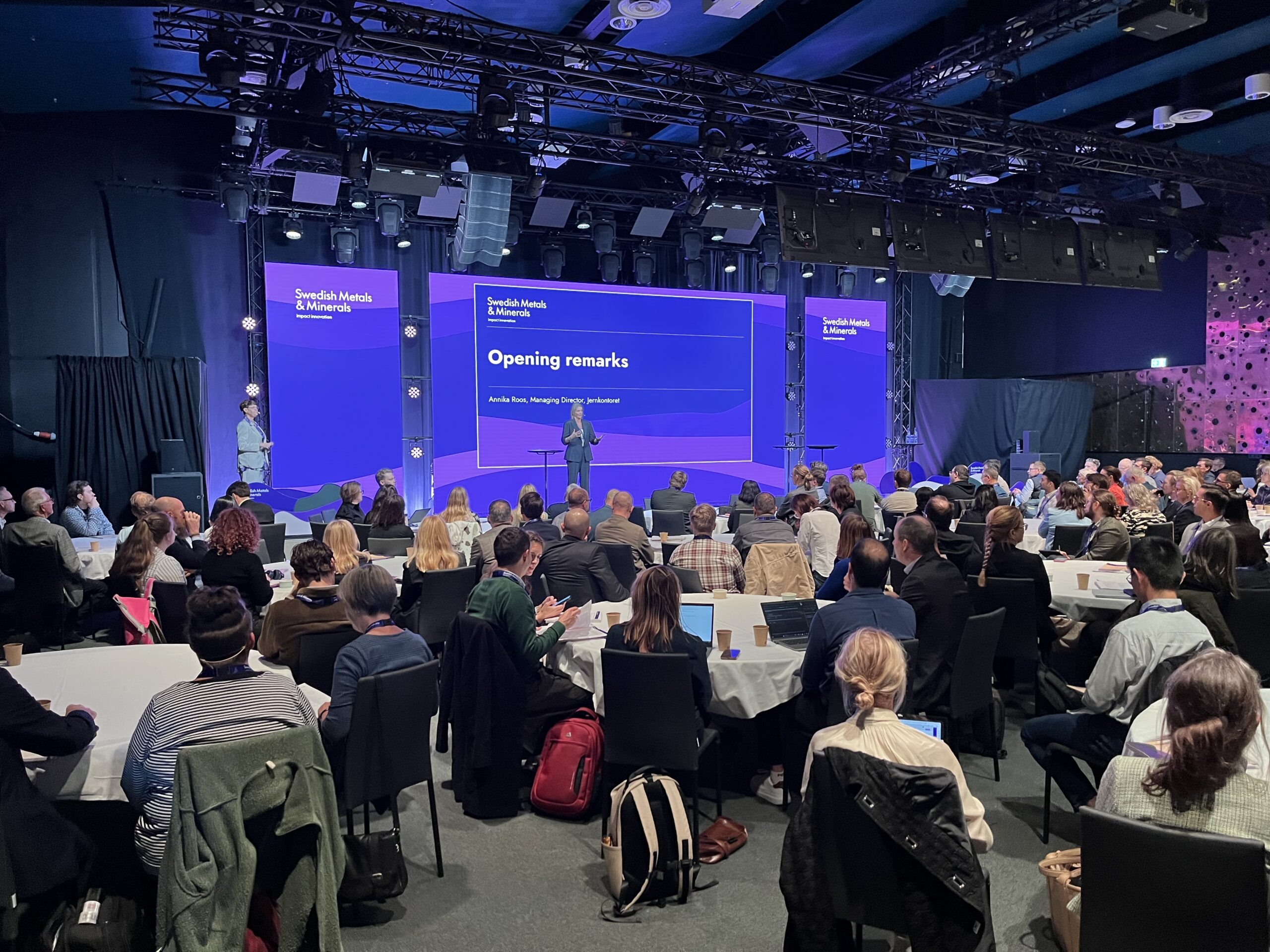
On 6–7 October, around 230 participants from industry, academia, research institutes and the public sector gathered at Elite Hotel Marina Tower in Stockholm for the first Swedish Metals & Minerals Program Conference. With 98 ongoing research and innovation projects, a fully booked conference and a programme spanning the entire value chain, the focus was on industry needs, future research priorities and new collaborations.
How can research and innovation contribute to a sustainable and resilient supply of metals and minerals? What challenges and priorities does industry face? And how can actors from different parts of the value chain find new opportunities to collaborate?
These questions set the stage for two days of presentations, discussions, project pitches and networking.
The first day focused on the programme’s mission and direction, industry priorities and the conditions needed to drive the transition forward. The second day was dedicated to the programme’s growing project portfolio, with 98 project pitches and an interactive Project Arena.
Day 1 – Mission, Industry Needs and Research Priorities
The first day brought together perspectives from industry, research and society to explore the challenges, opportunities and priorities shaping the future of the metals and minerals sector.
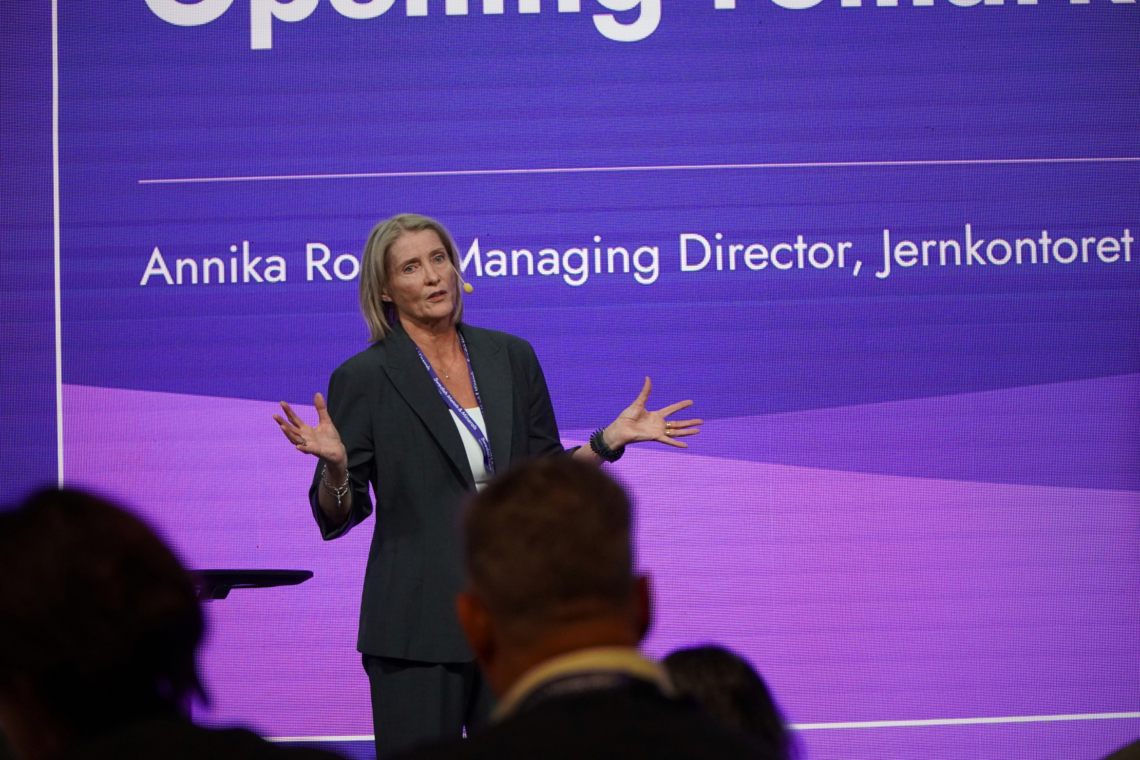
Annika Roos, CEO of Jernkontoret, opened the first Swedish Metals & Minerals Program Conference and welcomed the participants.
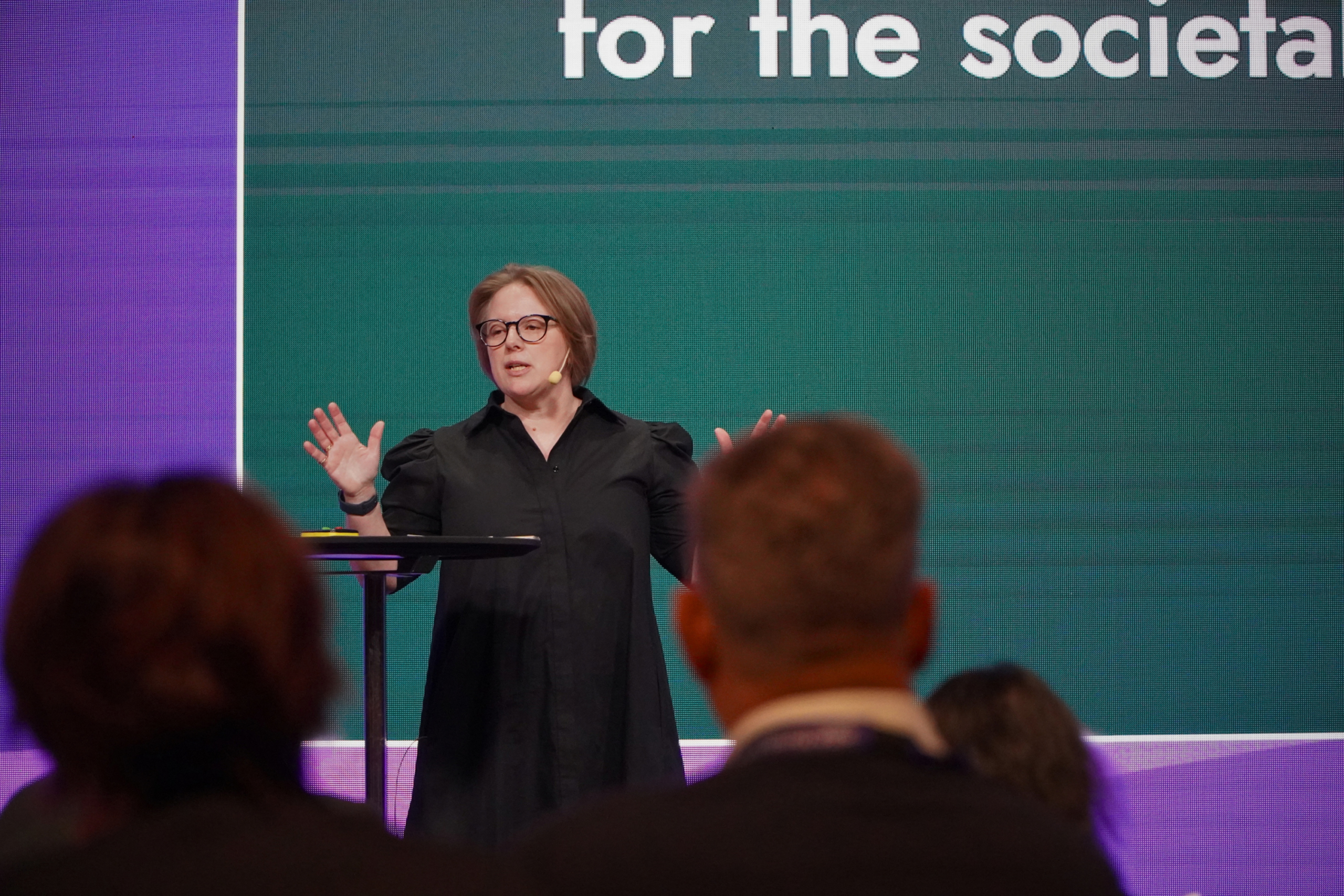
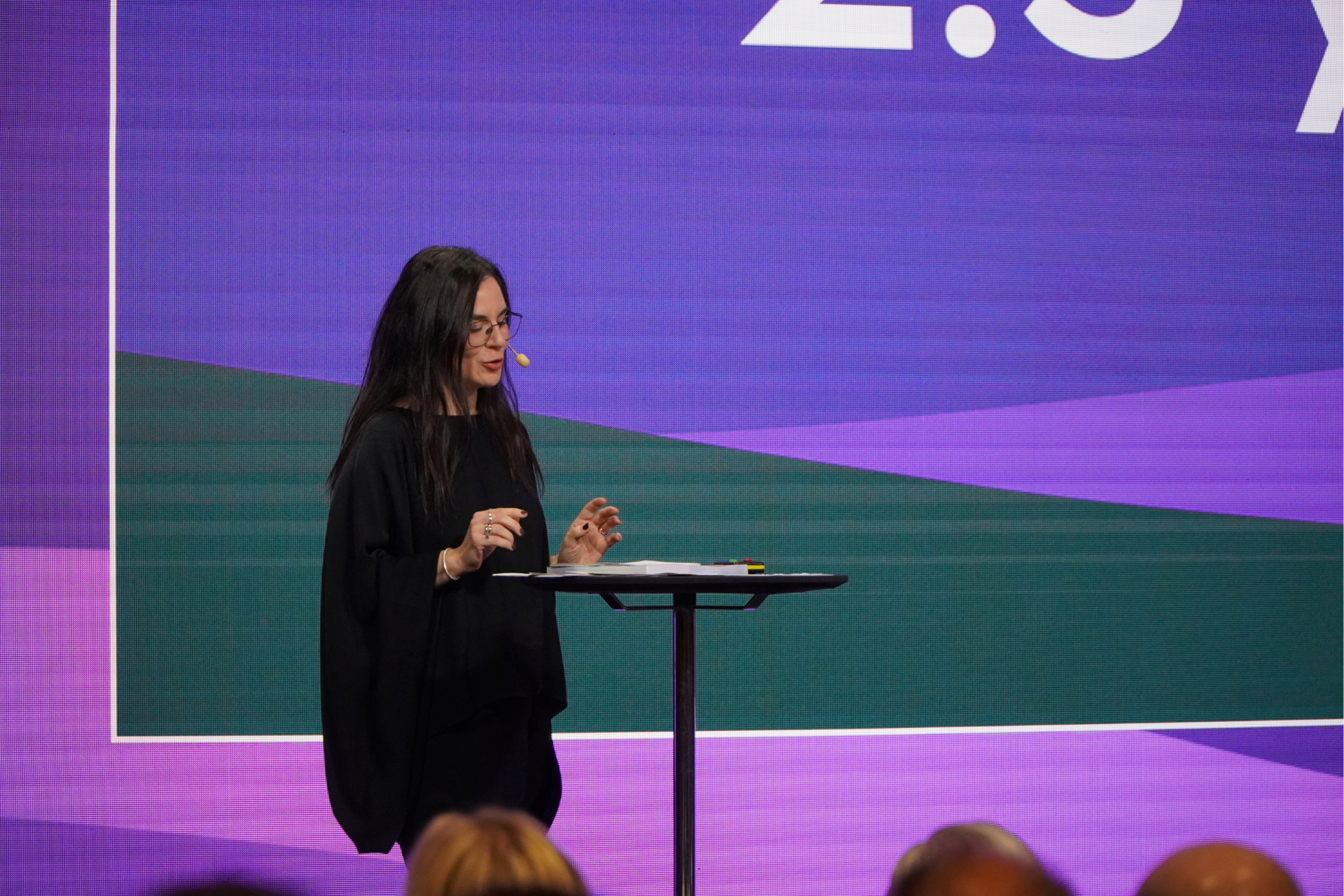
Maria Swartling and Lotta Sörlin from Swedish Metals & Minerals presented the programme’s mission and direction, progress to date and initial results.
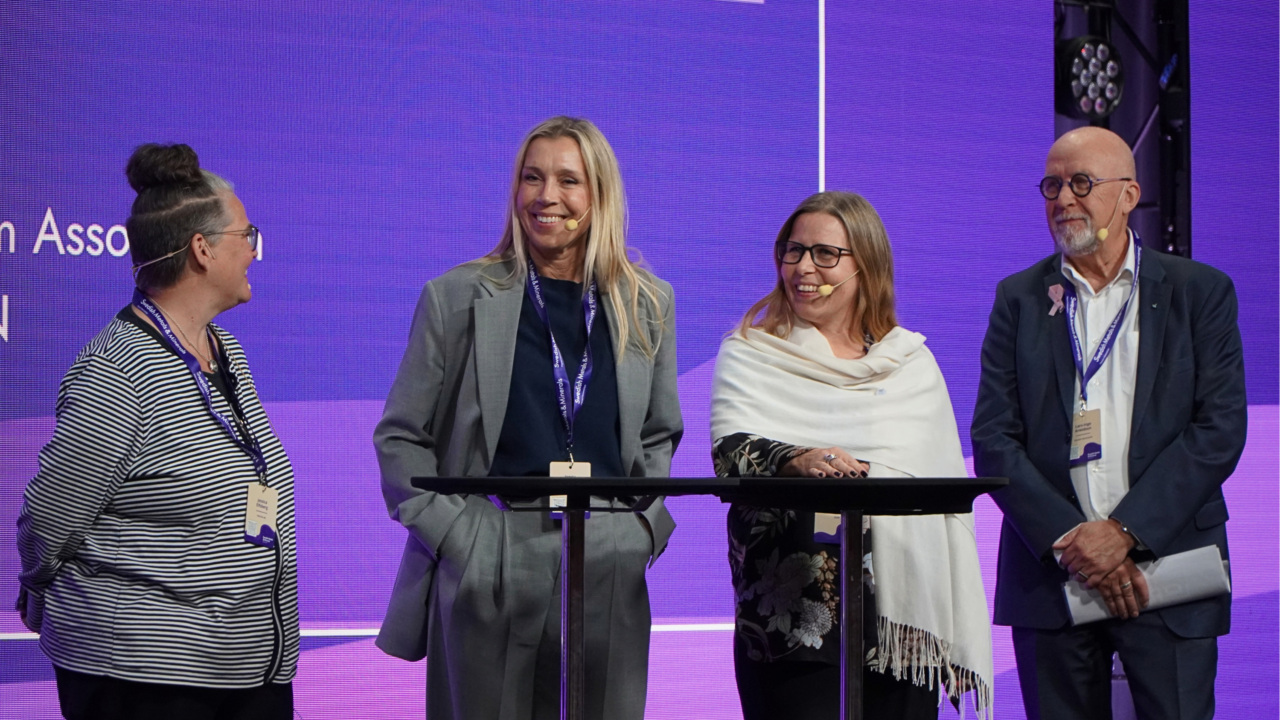
Jenny Greberg (LKAB), Eva Petursson (SSAB), Lars-Inge Arwidson (Svenskt Aluminium) and Jessica Elfsberg (TRATON) shared industry perspectives on research and innovation priorities across the metals and minerals value chain.
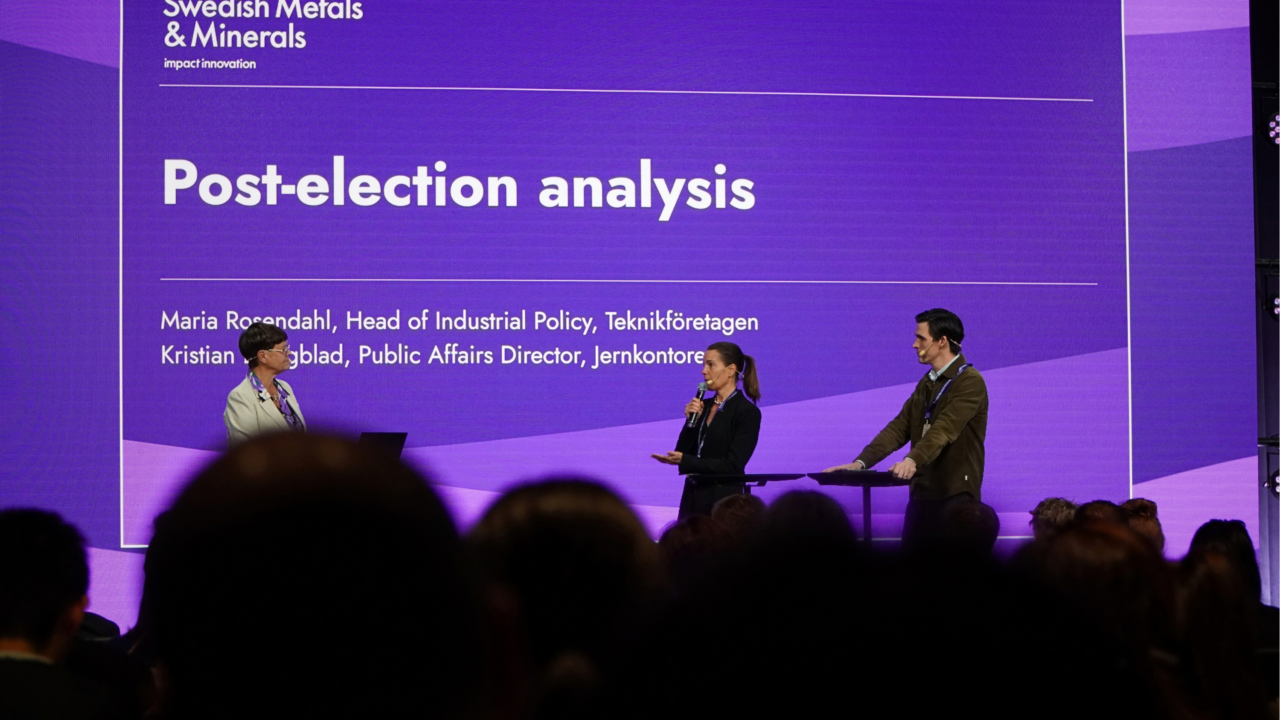
Maria Rosendahl (Teknikföretagen) and Kristian Ljungblad (Jernkontoret) discussed the political landscape and its implications for Swedish industry.
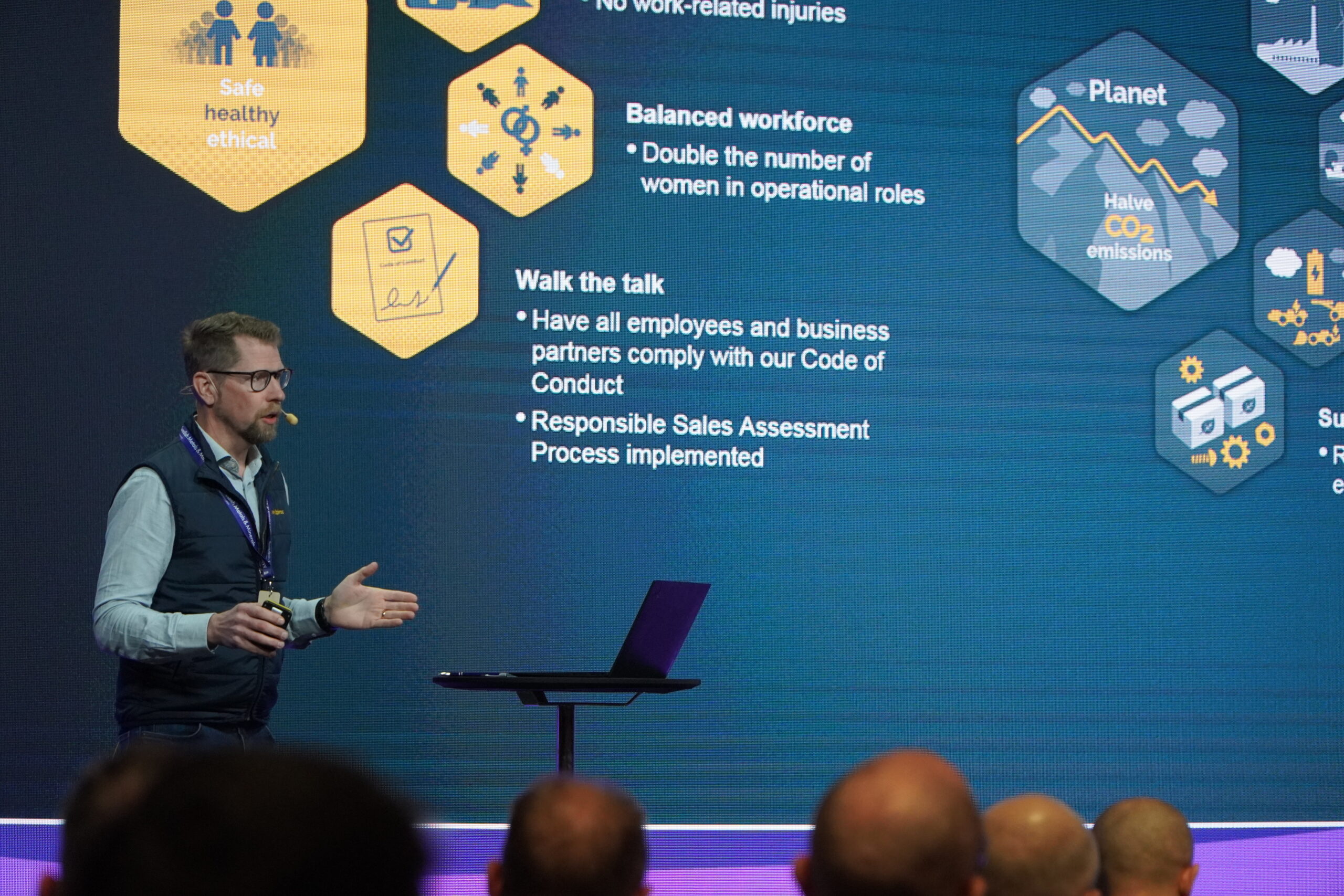
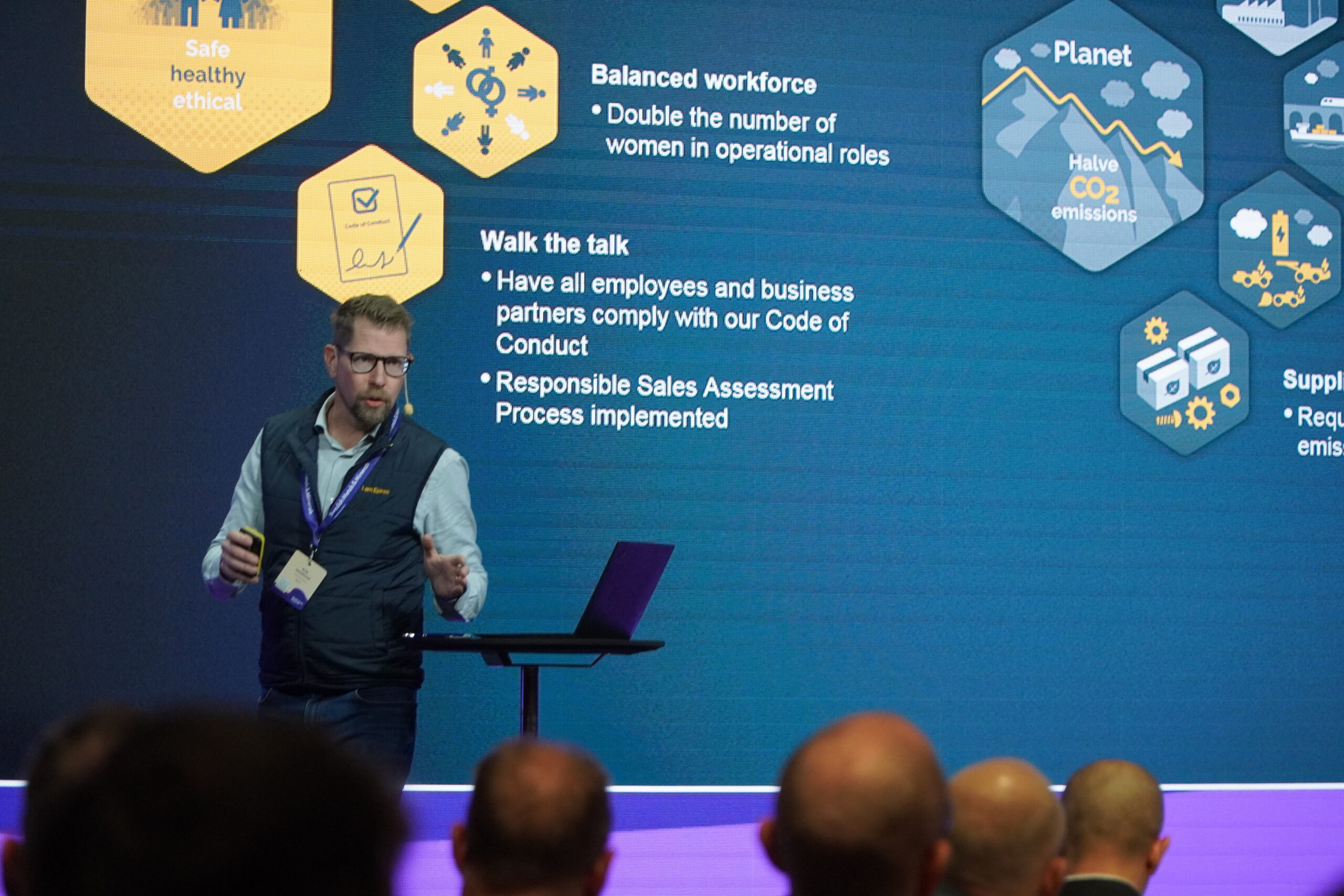
Erik Svedlund from Epiroc highlighted research needs for the mining industry’s continued transition.
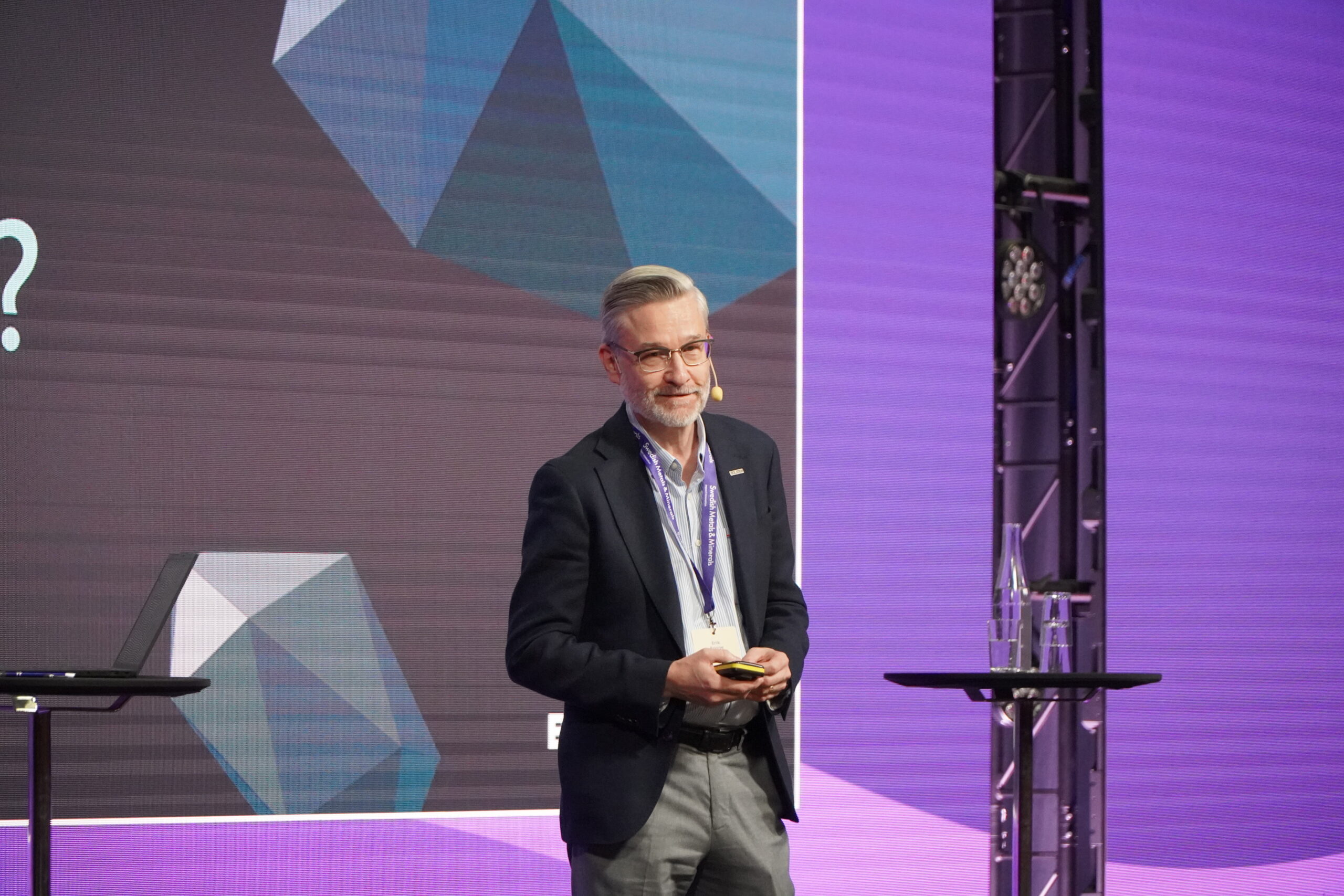
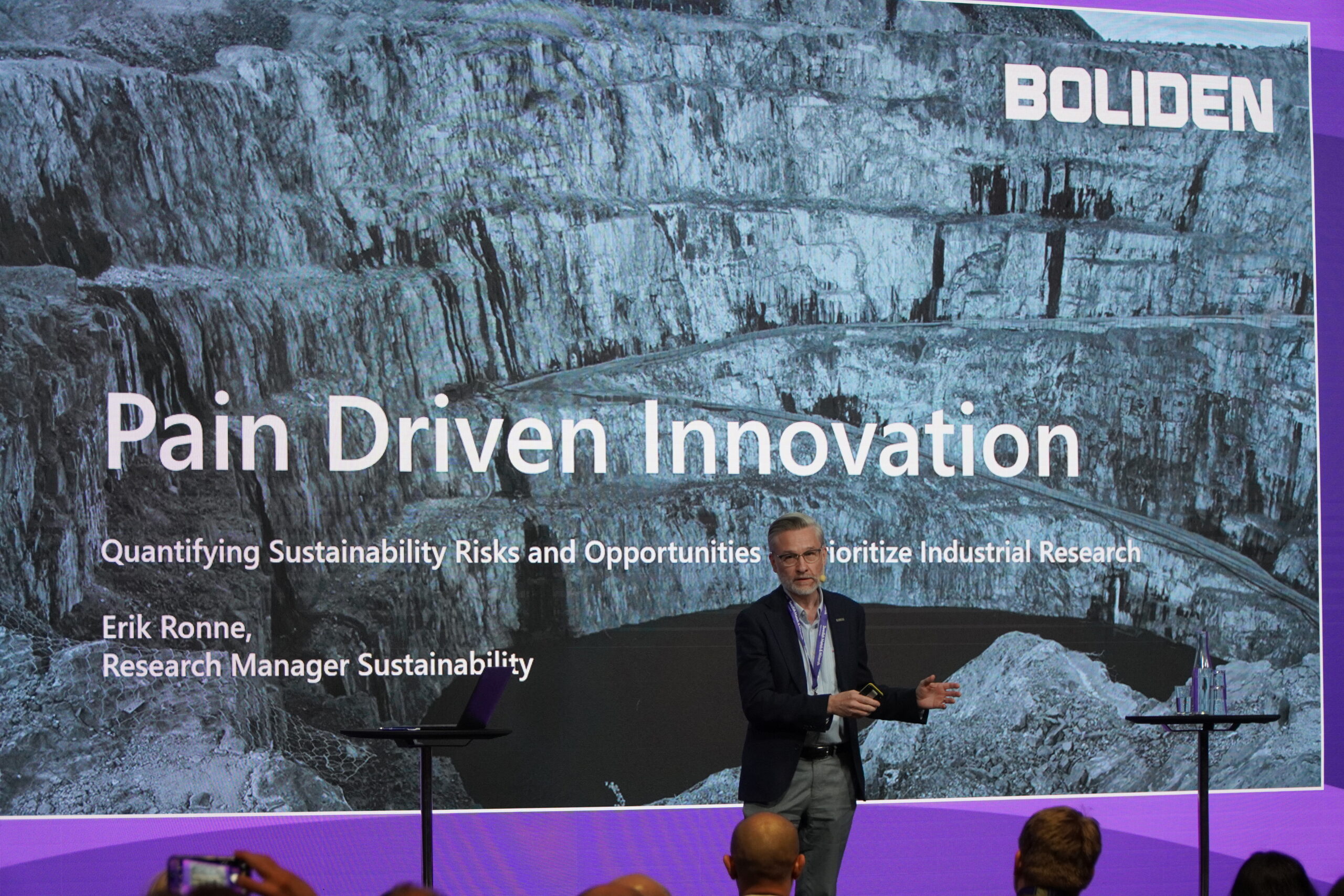
Erik Ronne from Boliden explored how sustainability risks and opportunities can help identify and prioritise research and innovation needs.

Hanna Isaksson from Luleå Municipality presented KOSA Culture and Community Fund, highlighting the importance of culture, collaboration and attractive communities in industrial development.

Tania Irebo Schwartz from Swerim explored how digital product data and digital product passports can create value for industry.
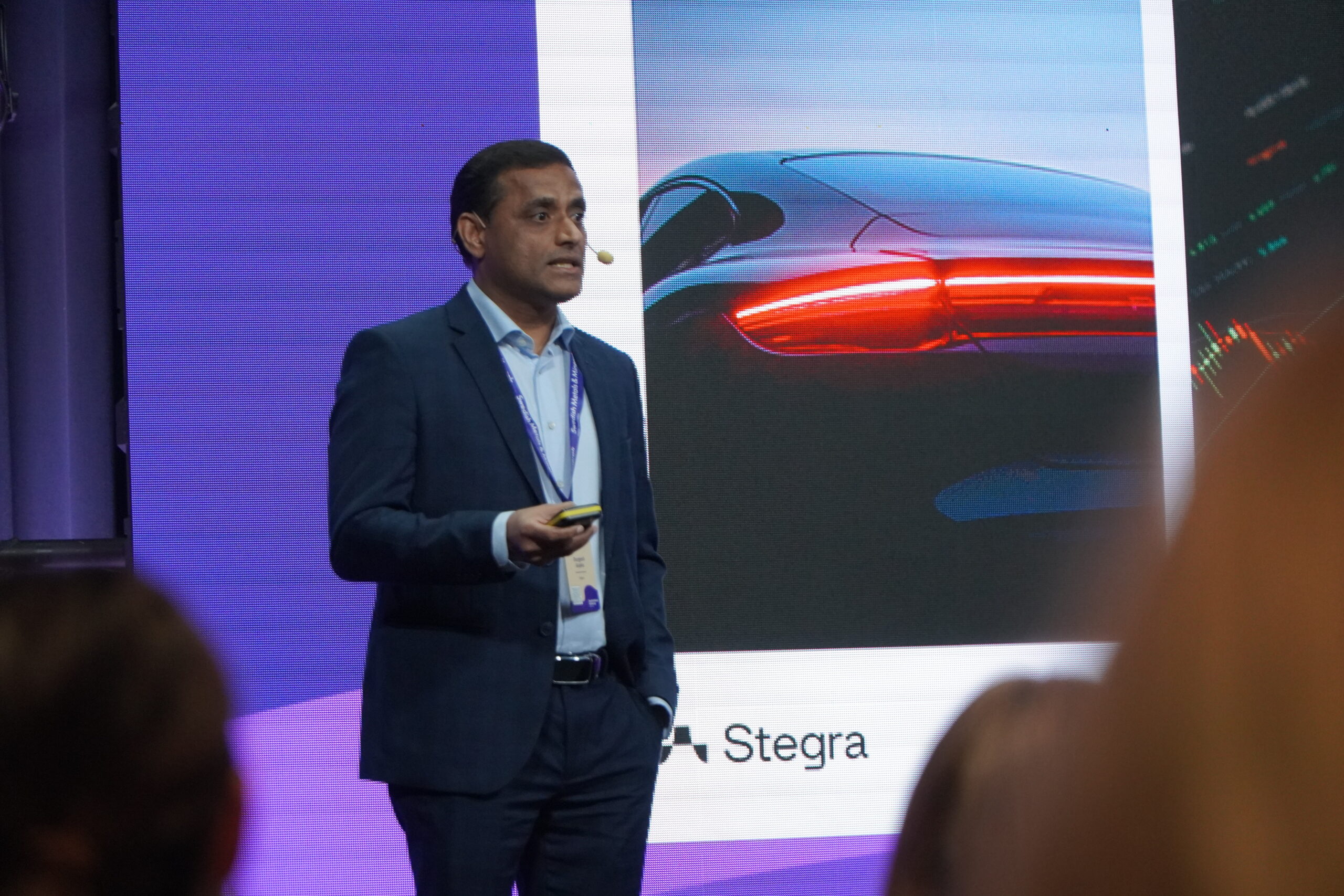
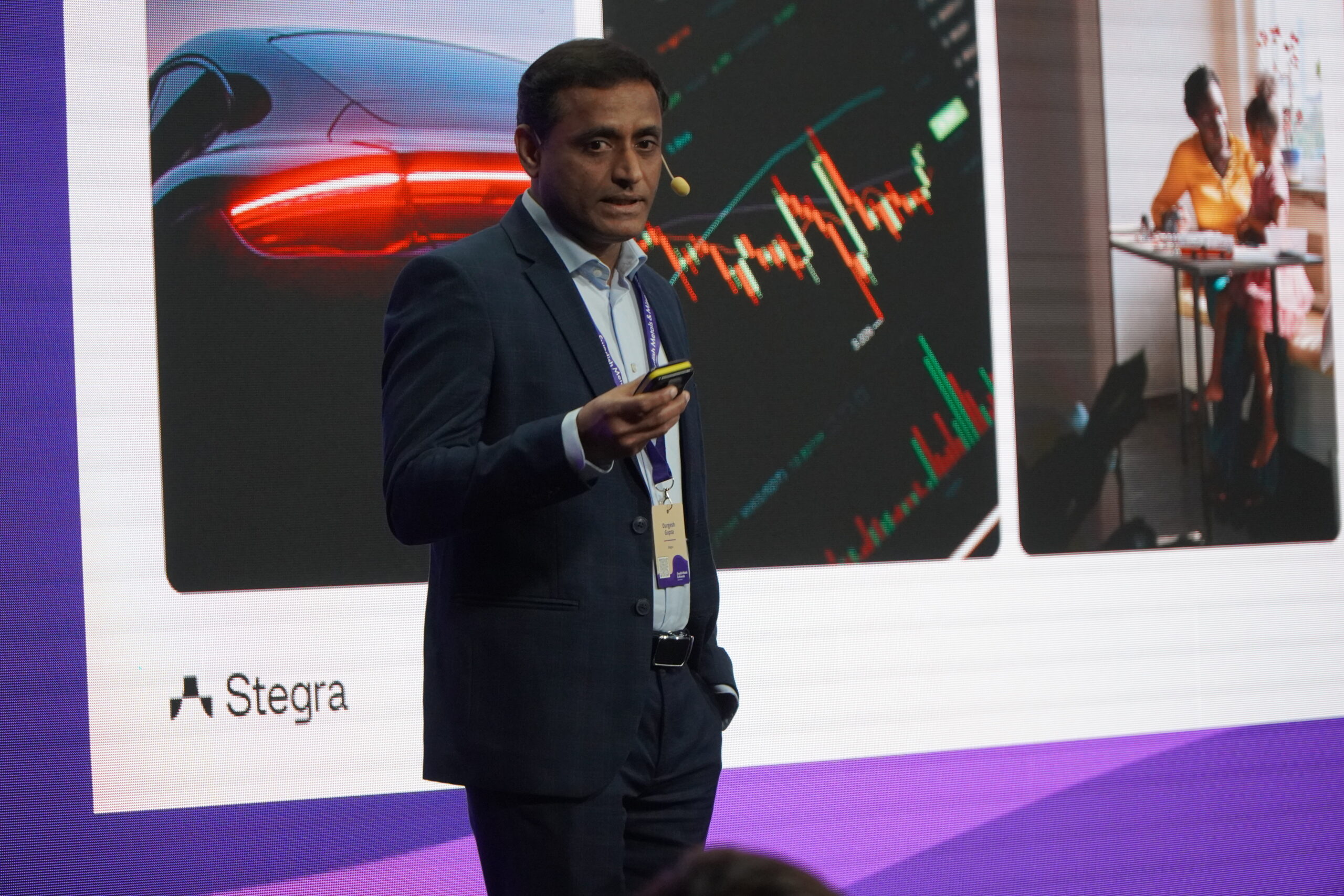
Durgesh Gupta from Stegra presented the company’s green iron journey, highlighting technological development, innovation and future research needs.
Day 2 – Project Pitches and Project Arena
The second day put the Swedish Metals & Minerals project portfolio in the spotlight.
Through 98 short project pitches across eight thematic areas, participants gained an overview of ongoing research and innovation – from Prospecting and mining and Raw materials management to Circularity and recycling, Materials development and modelling and Attractivity and competence.
The other thematic areas were Environment and workplace, Properties and applications, and Metallurgy and metals processing.
Following the presentations, participants met project teams in the Project Arena to explore the projects in greater depth, exchange experiences and discuss opportunities for future collaboration.
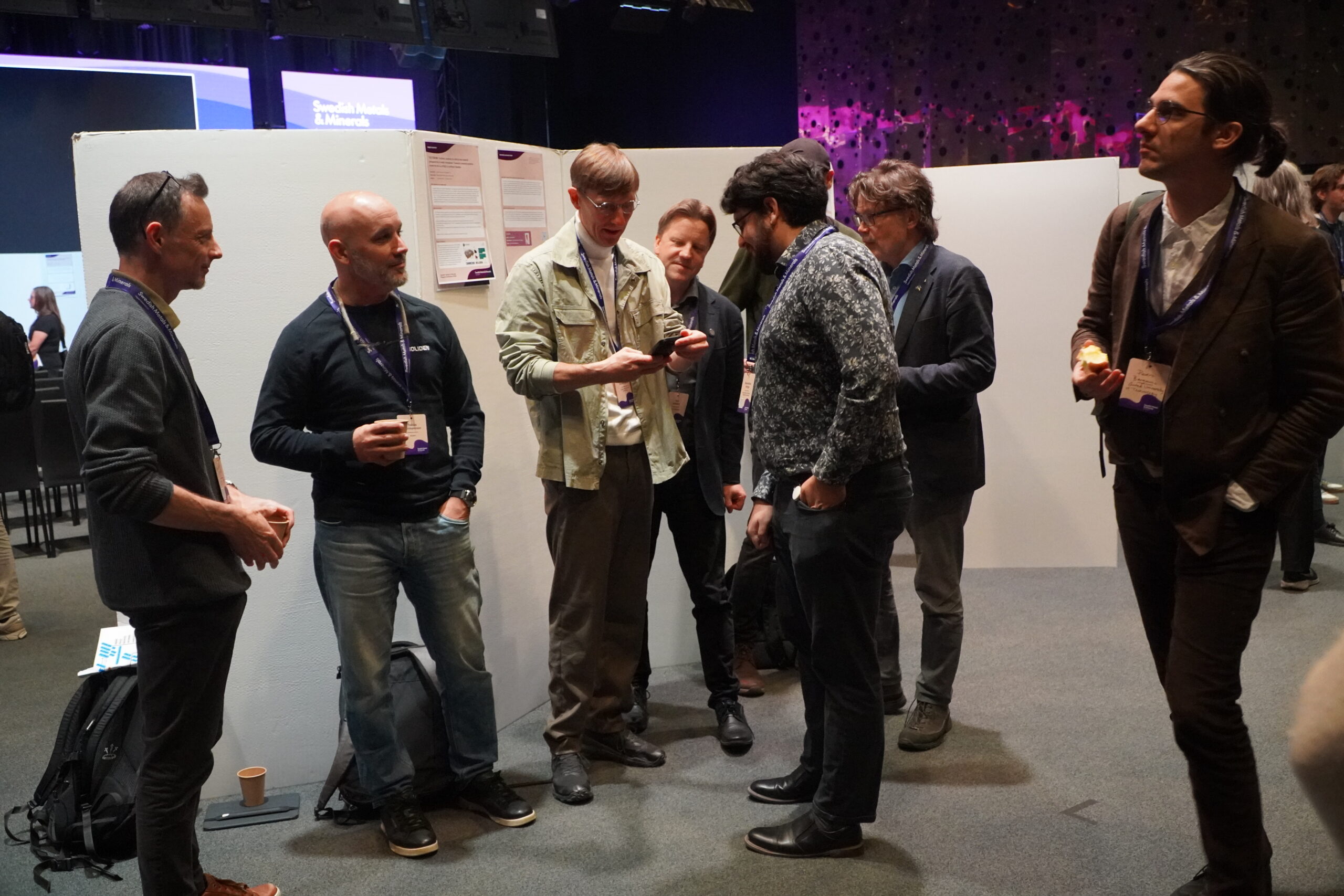
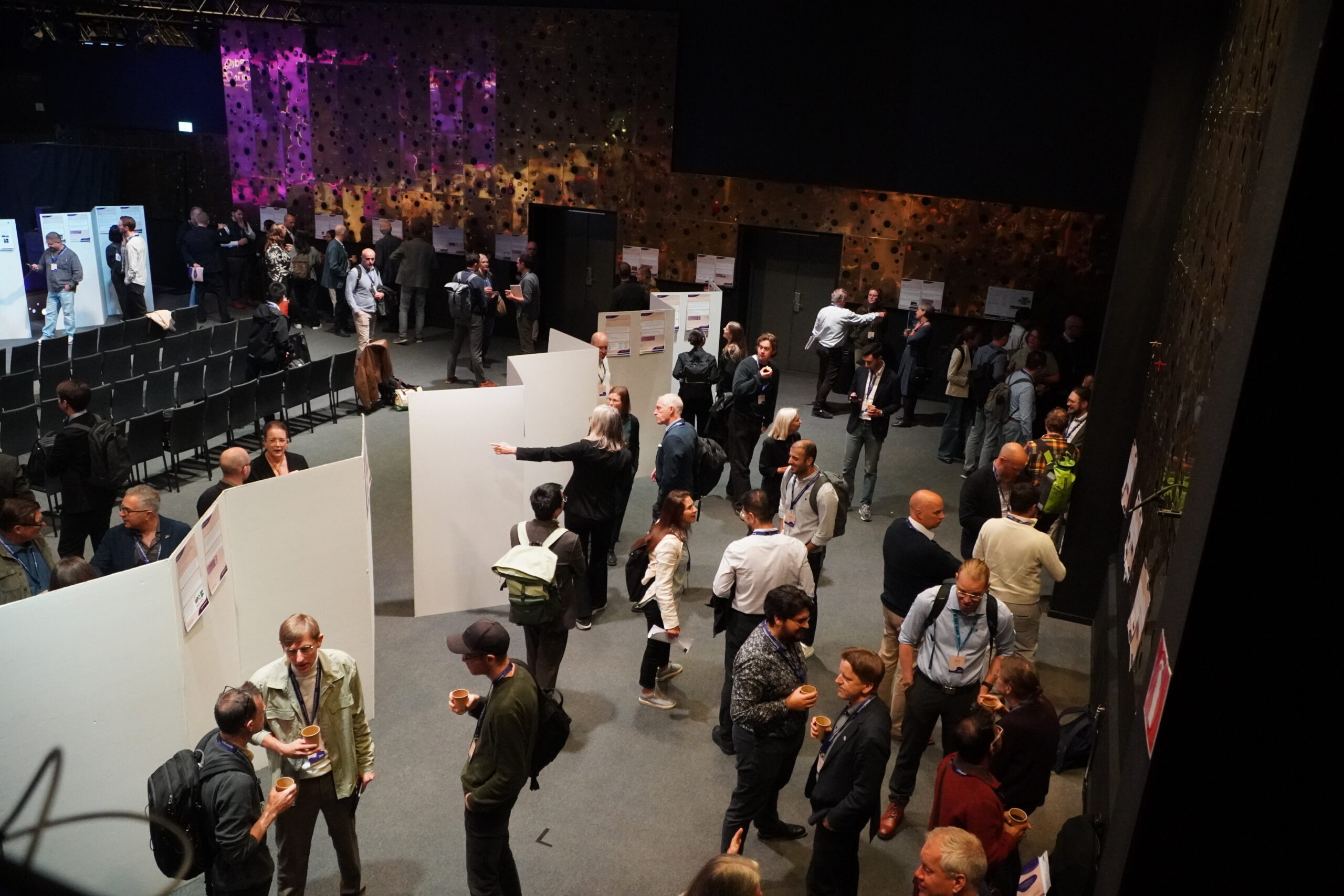
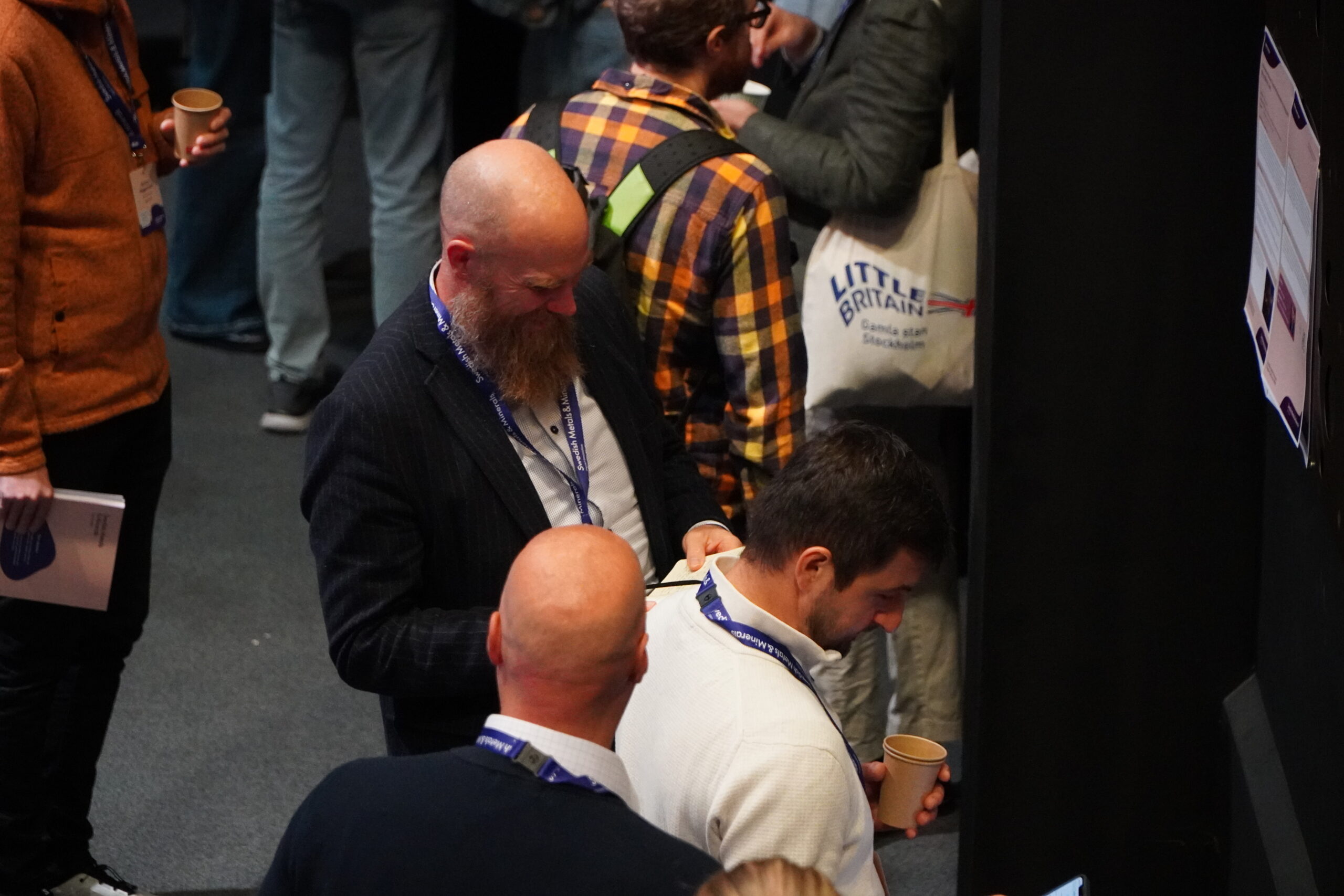
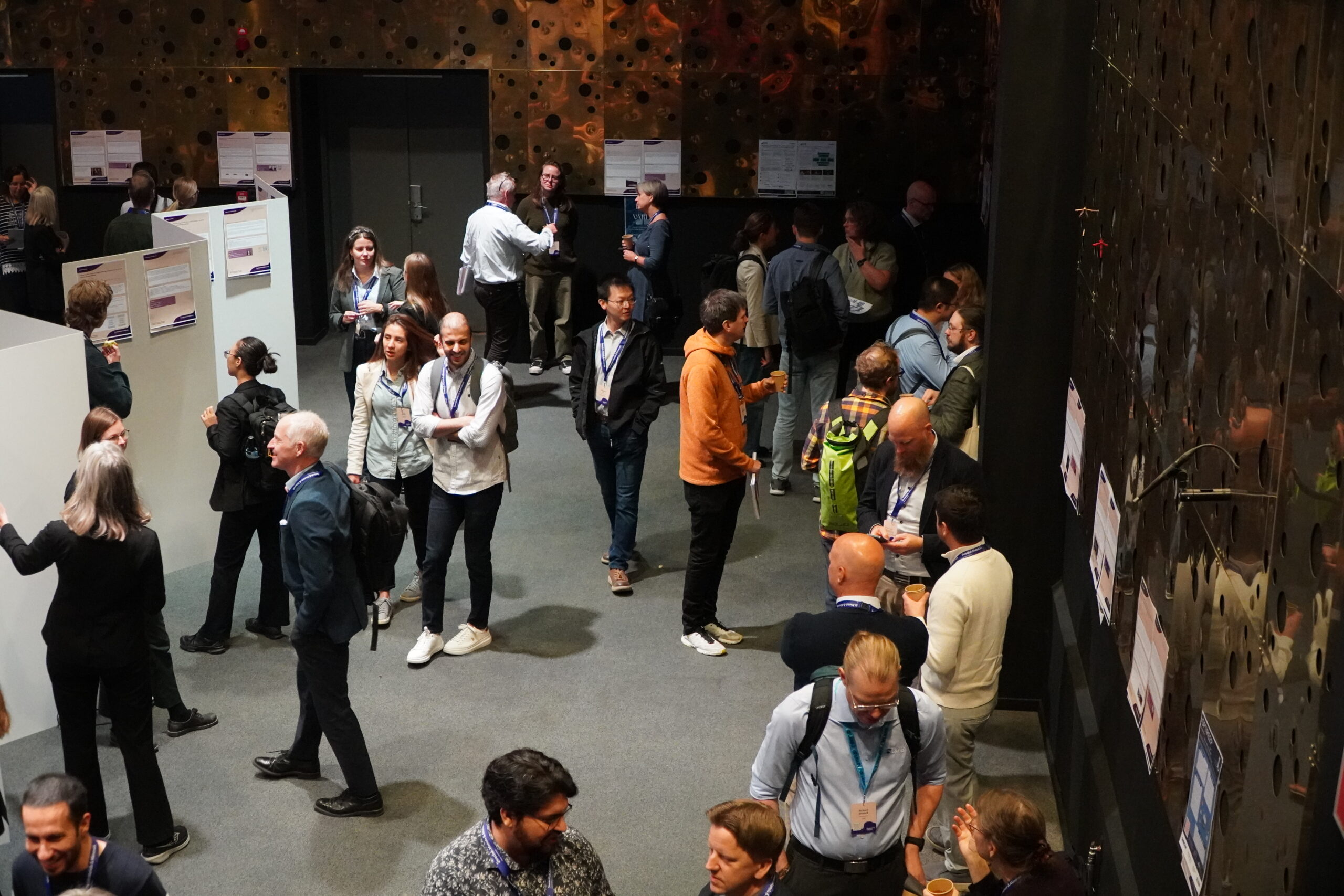
The Project Arena brought together researchers, industry representatives and other actors for in-depth conversations about ongoing projects and potential collaborations.
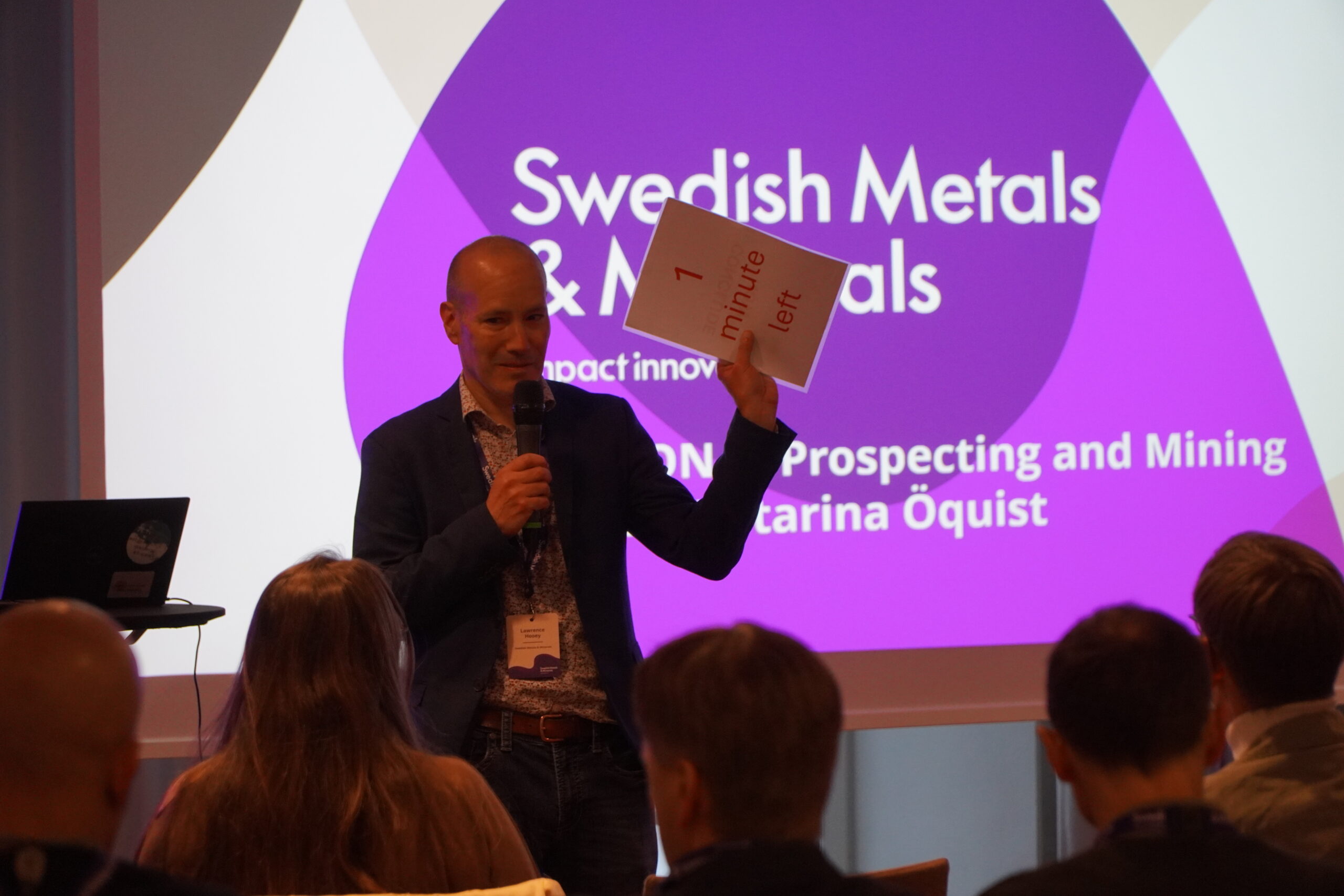
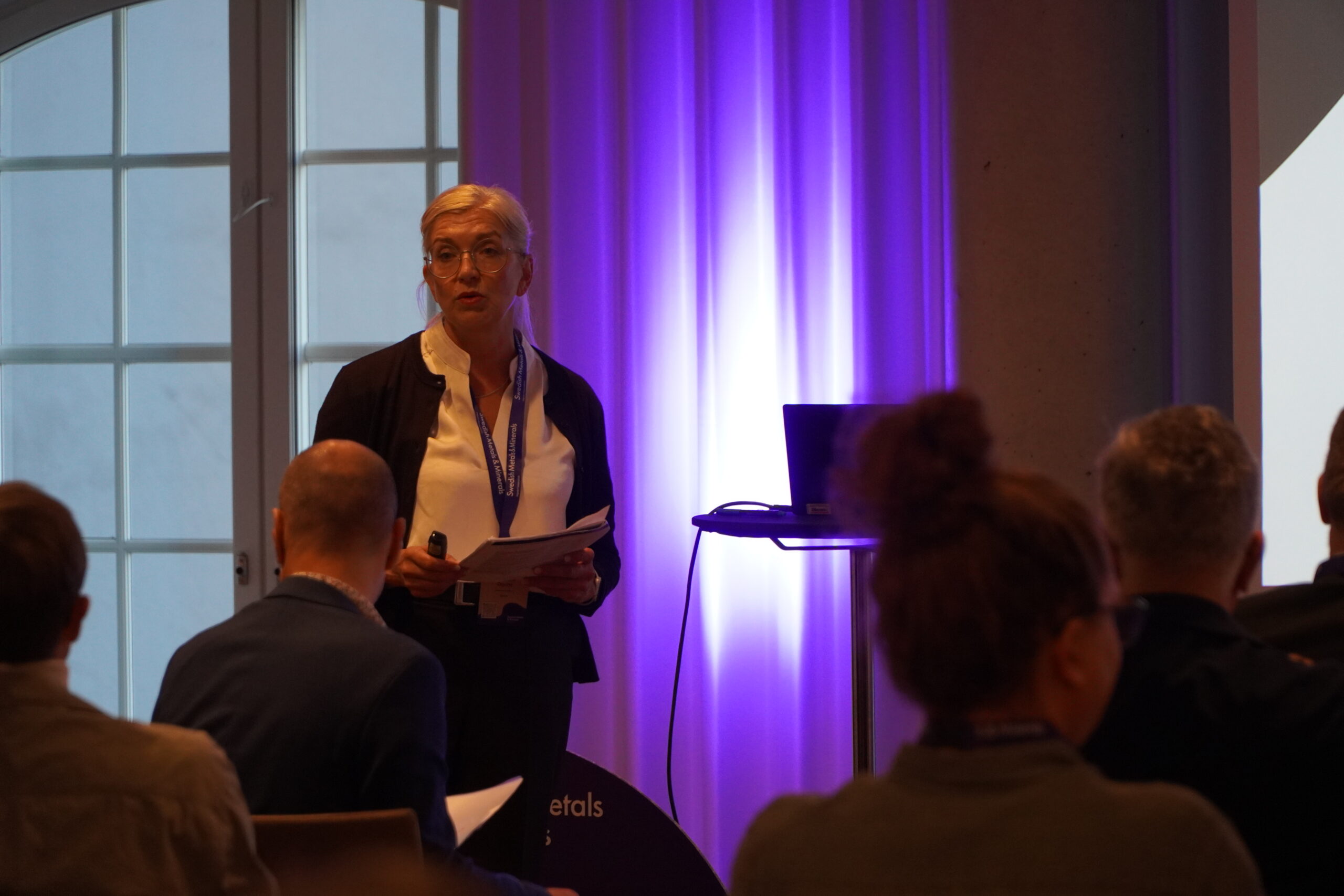
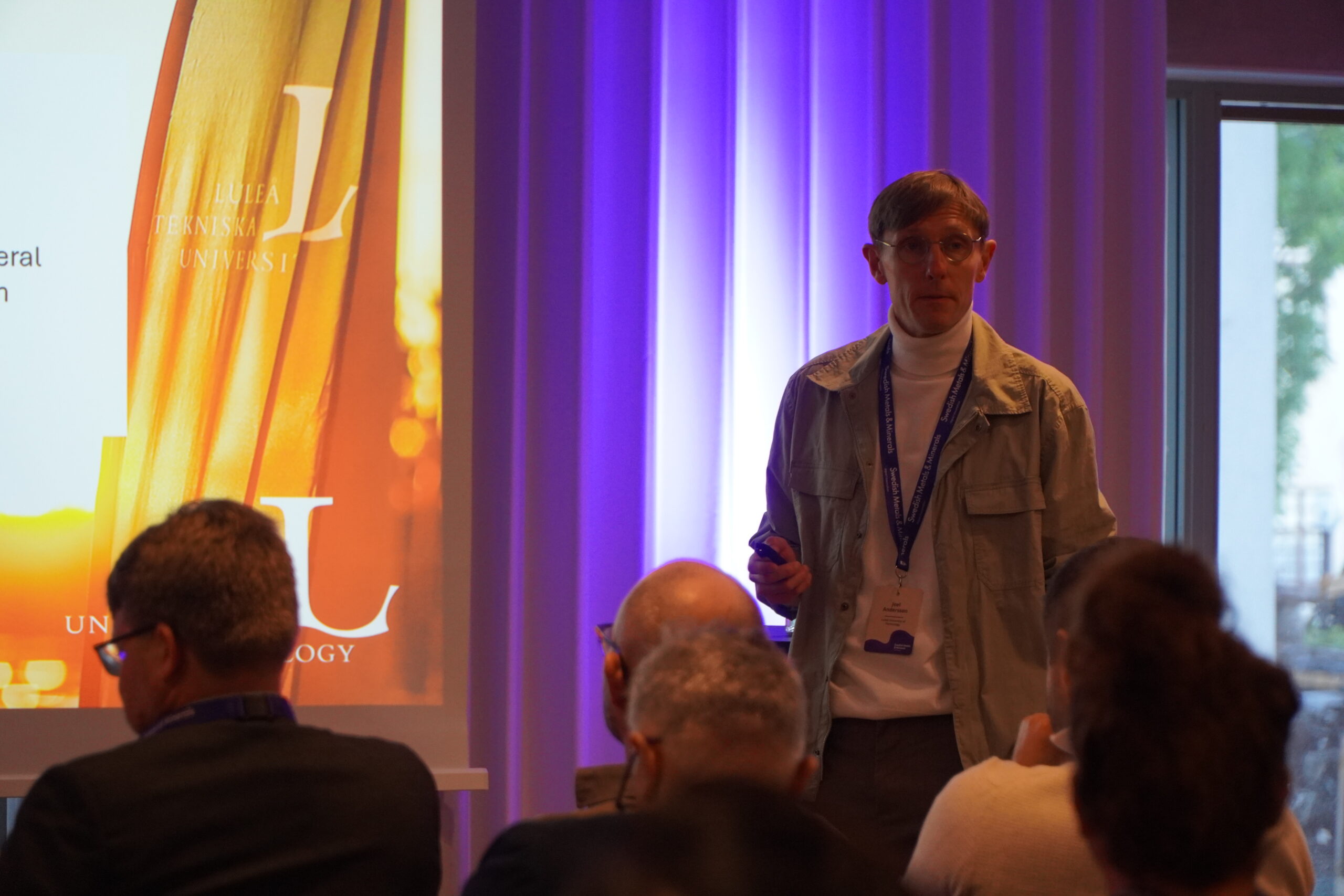
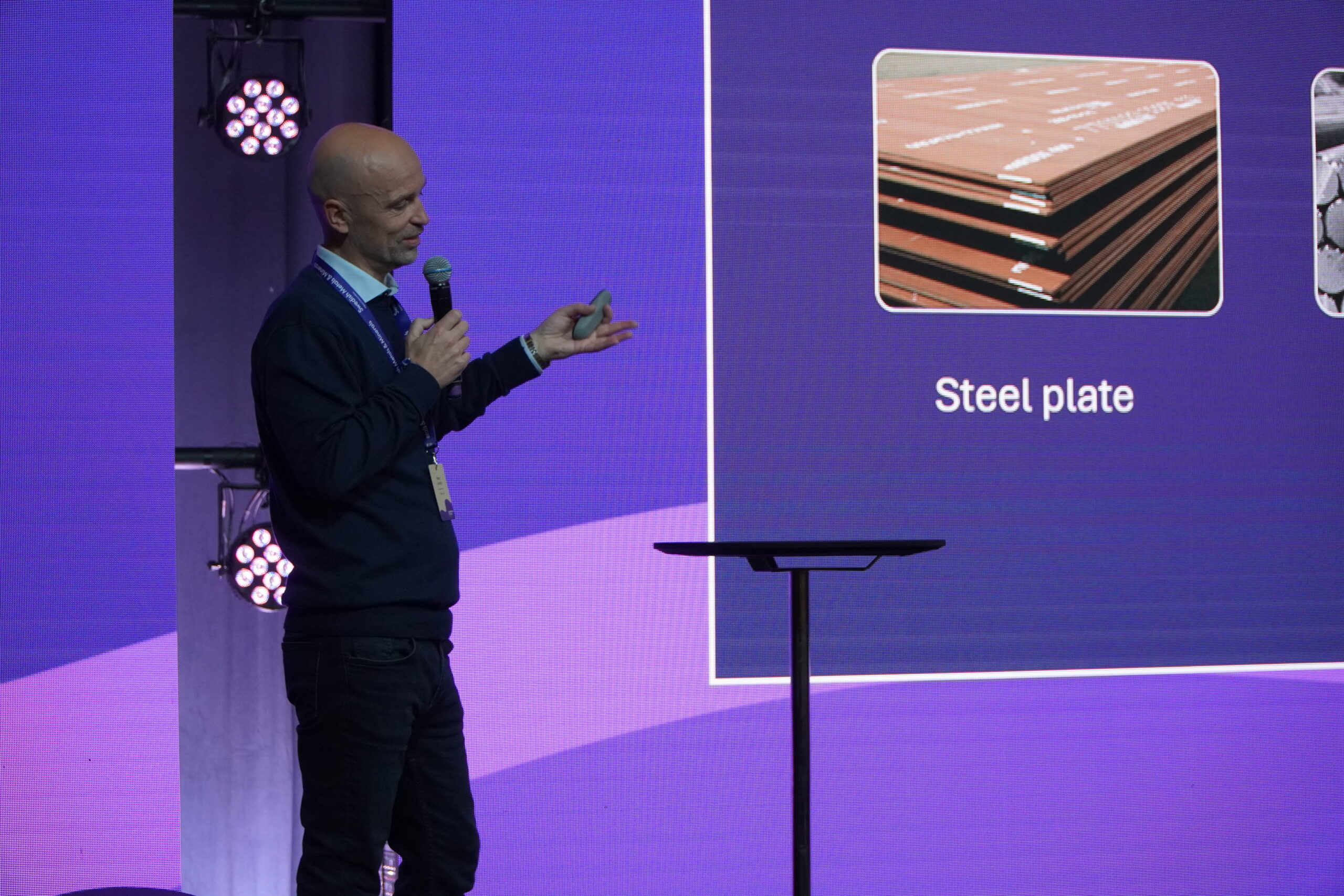
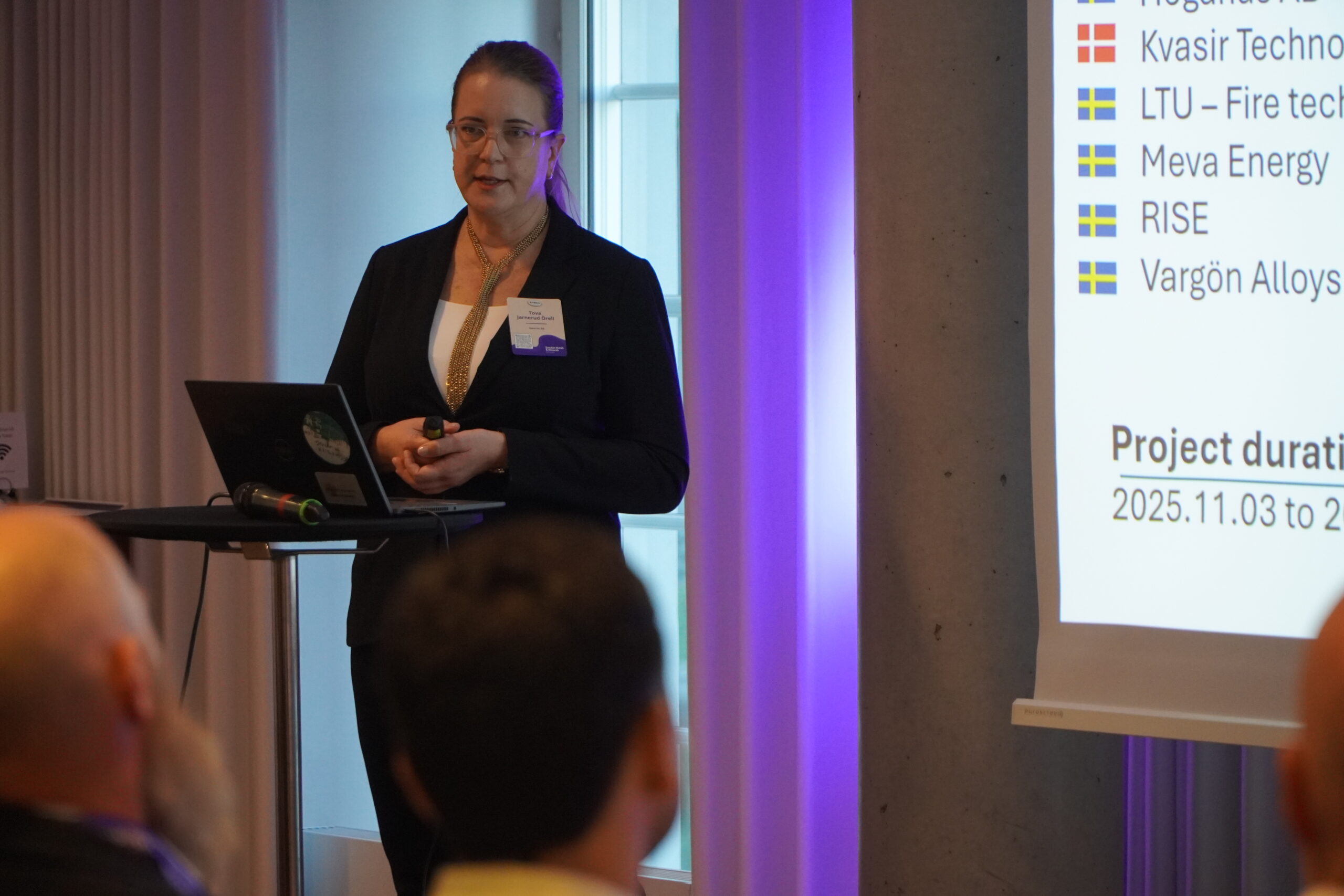
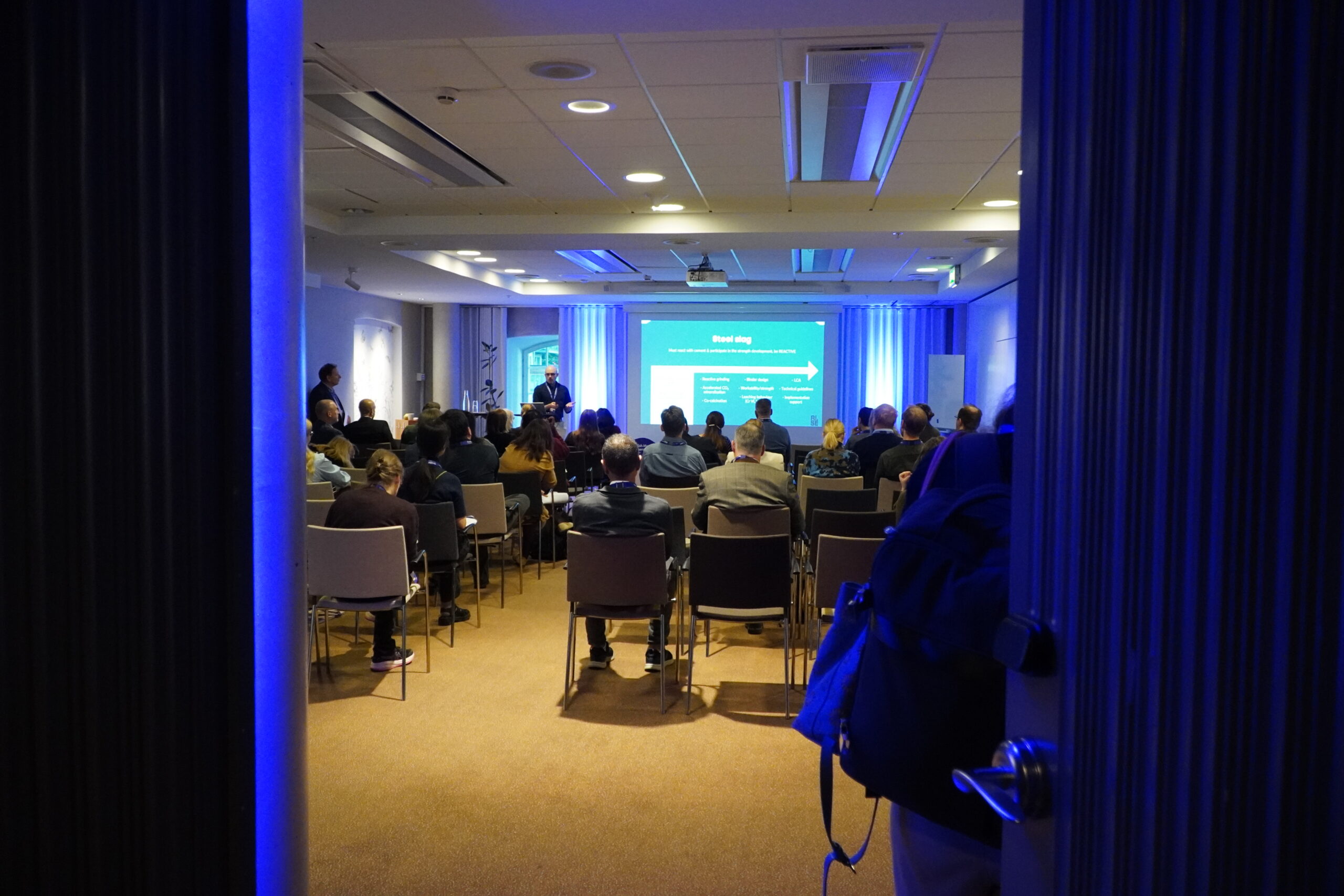
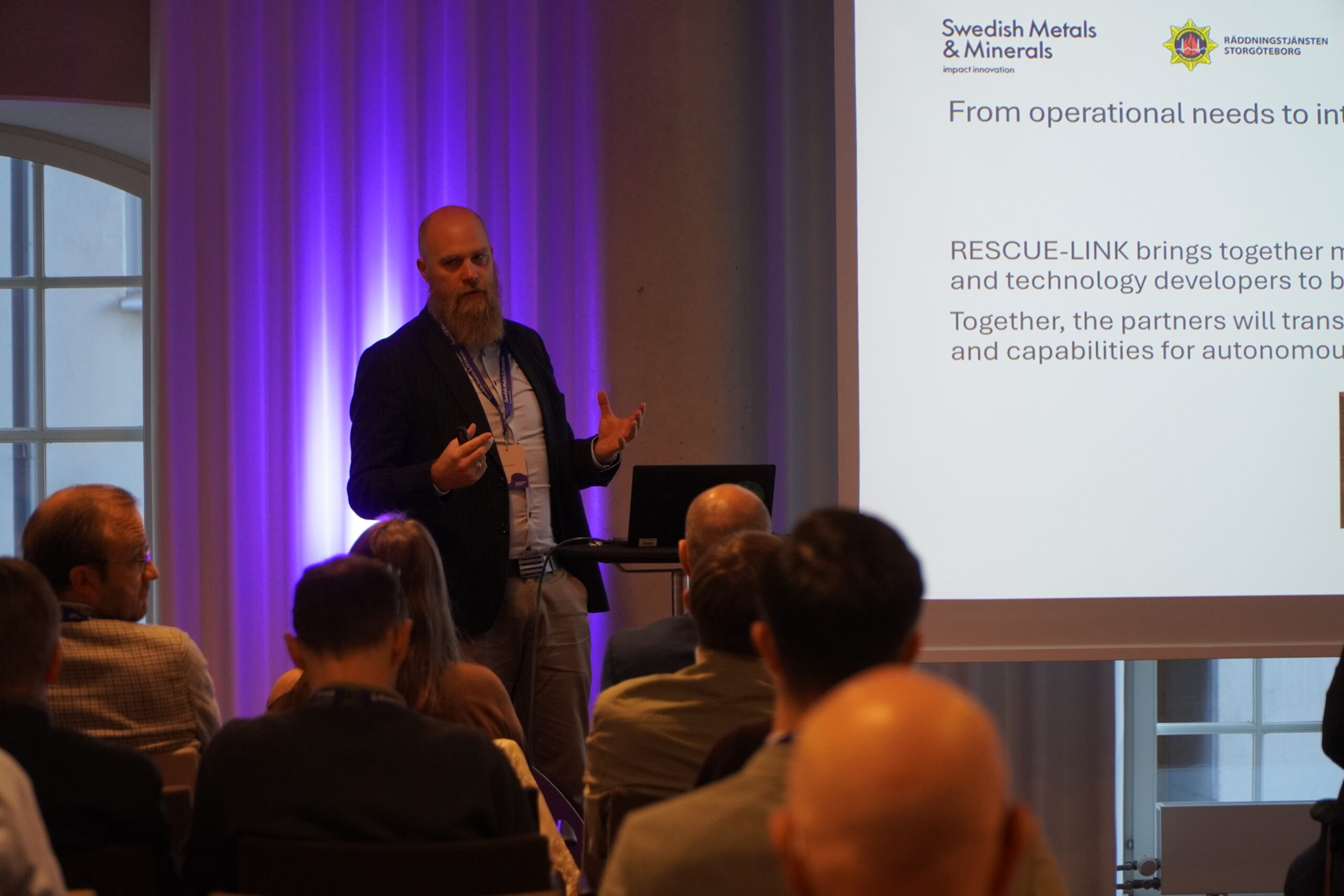
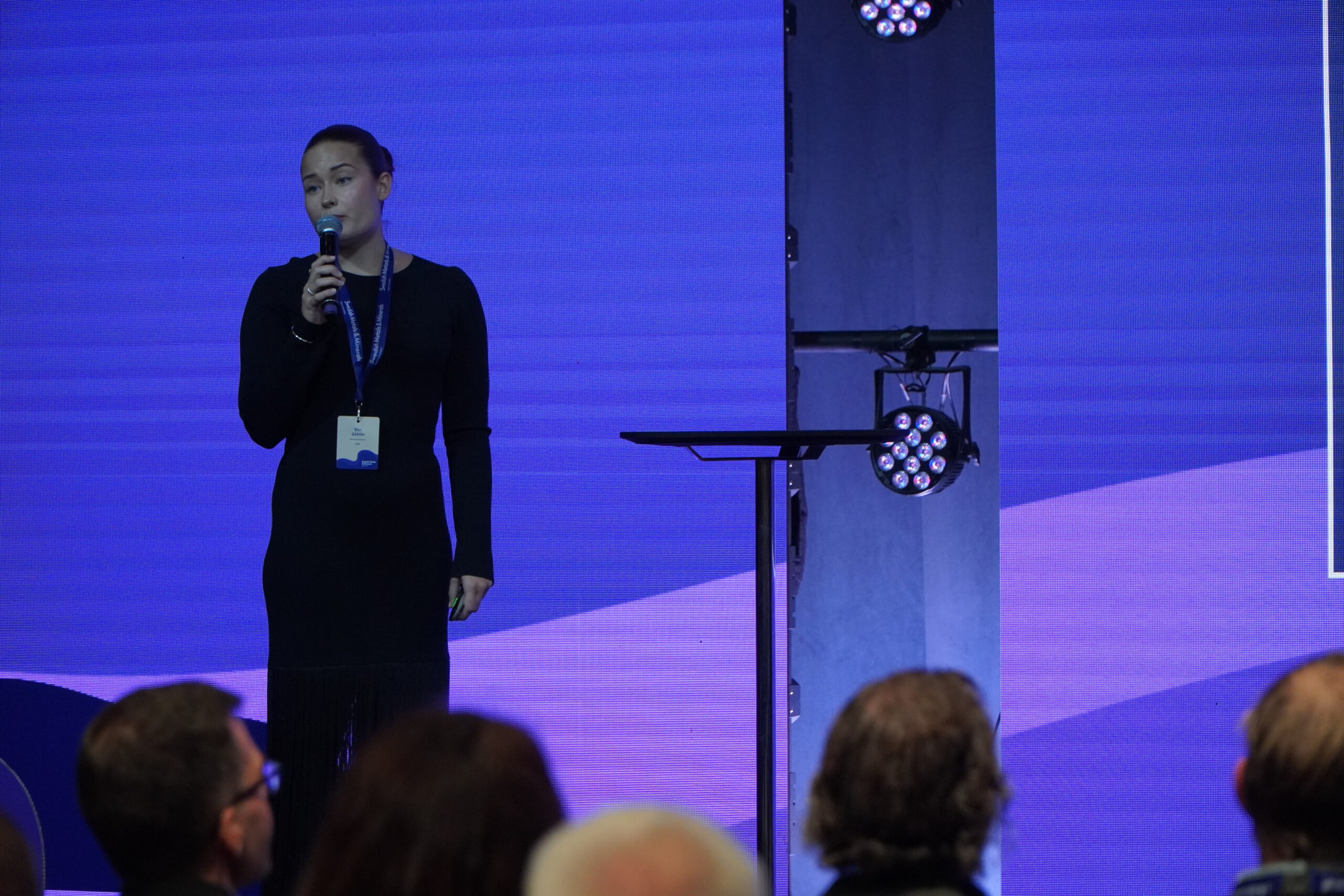
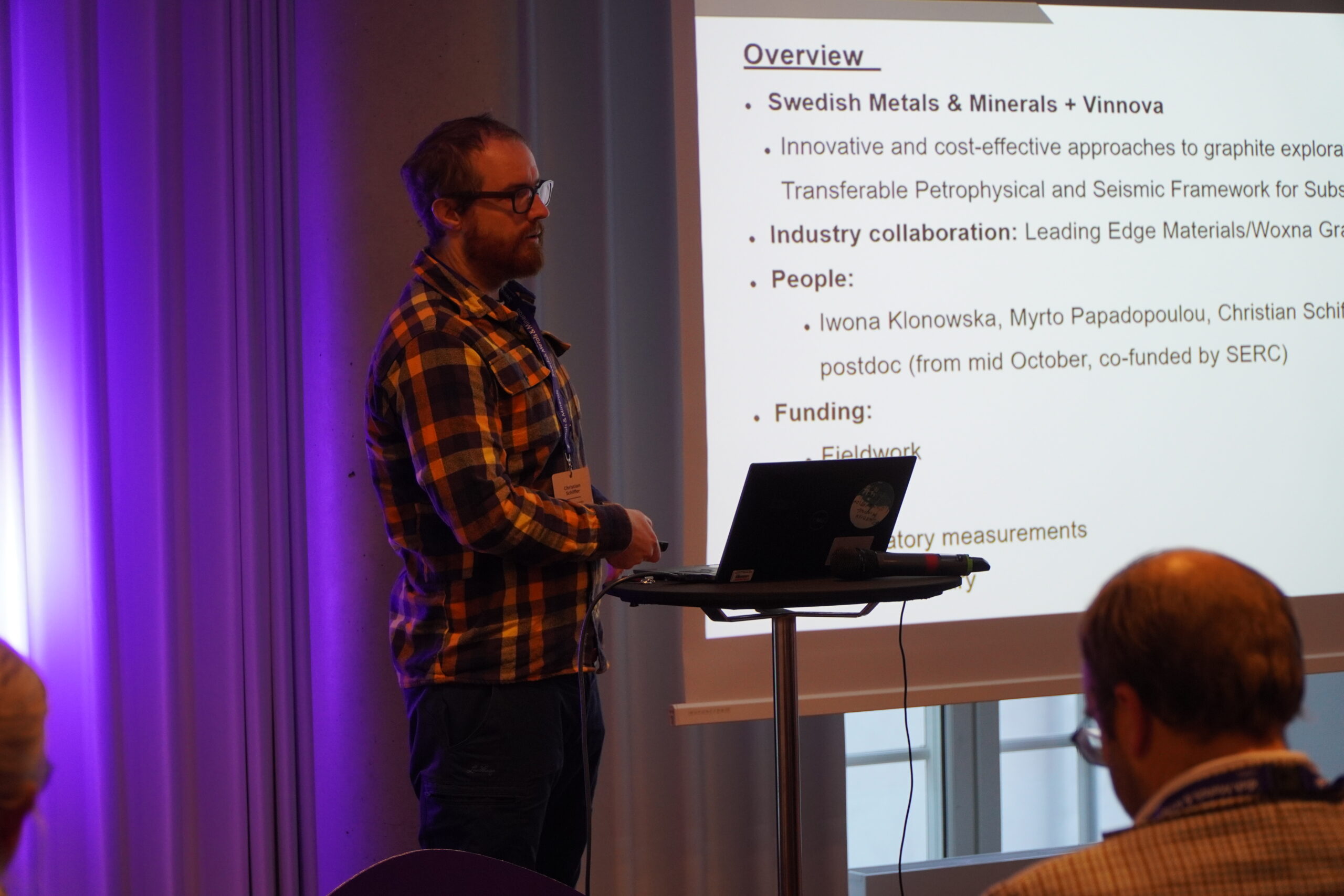
Short project pitches gave participants an introduction to ongoing research and innovation across the Swedish Metals & Minerals portfolio.
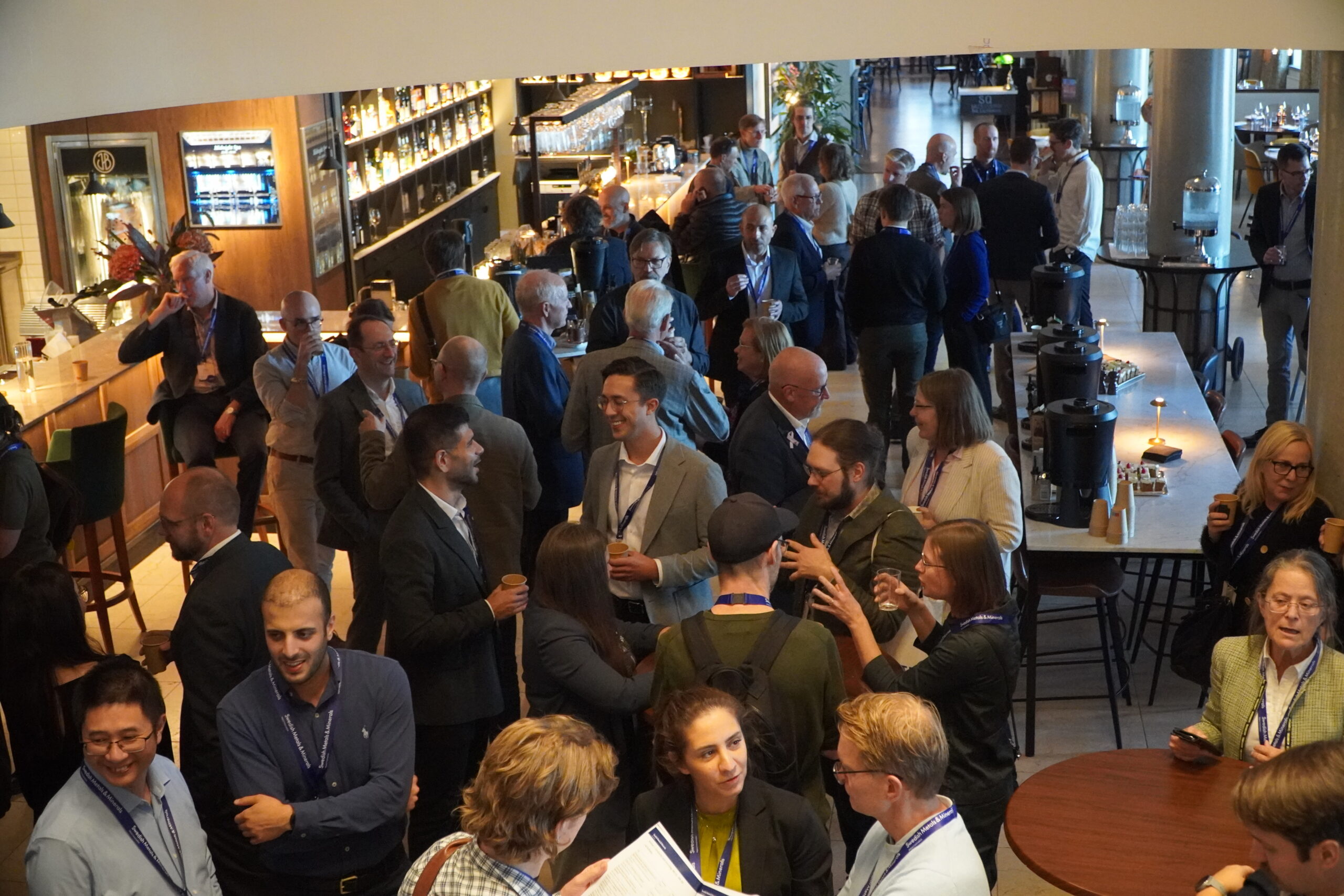
Beyond the presentations, the conference created opportunities to connect across organisations, disciplines and different parts of the value chain.
Beyond Technology – Connecting Industry, Culture and Society
The conference also highlighted how industrial transformation depends on more than technological innovation. Skills, attractive communities and collaboration between industry and society are equally important.
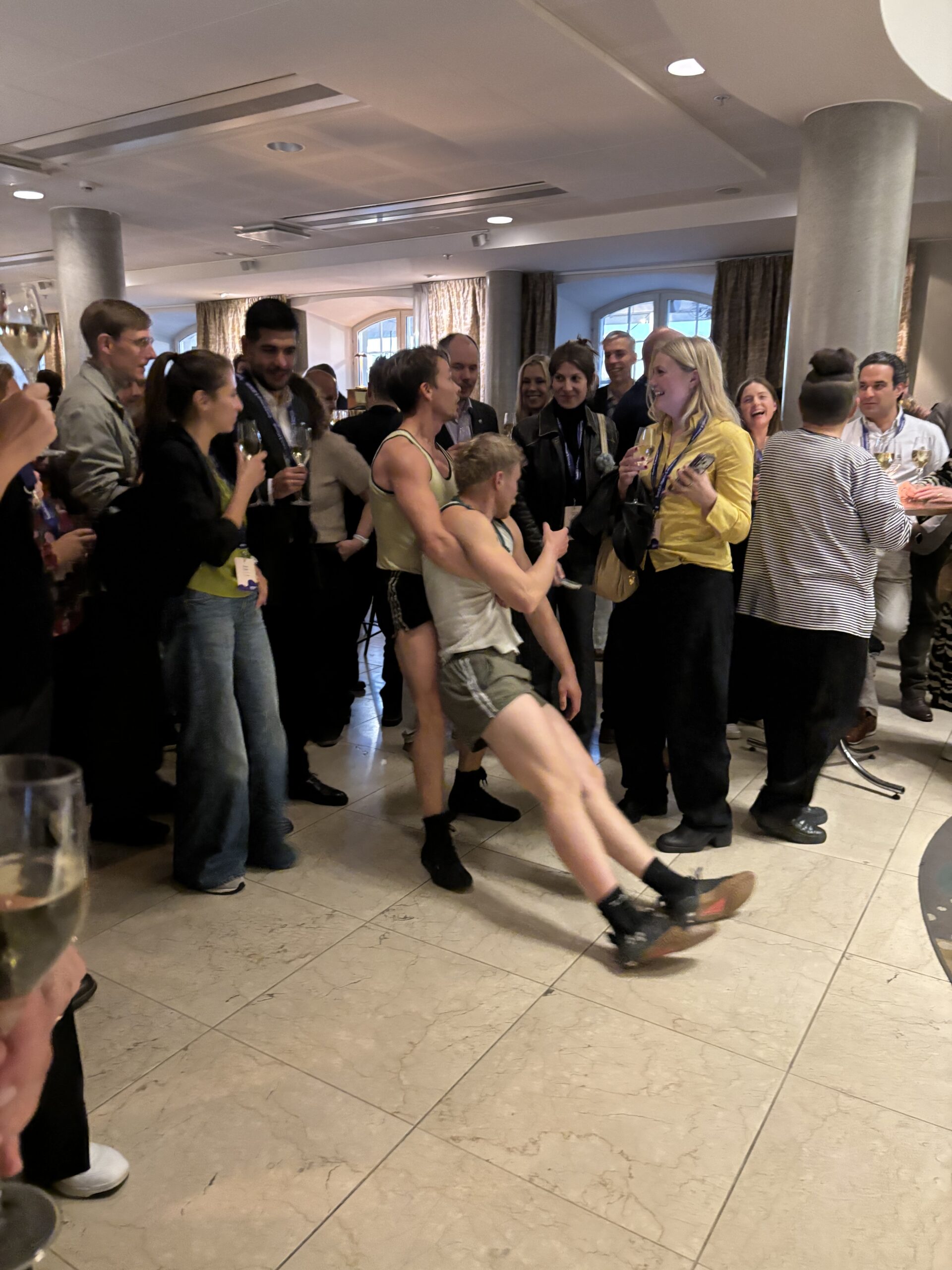
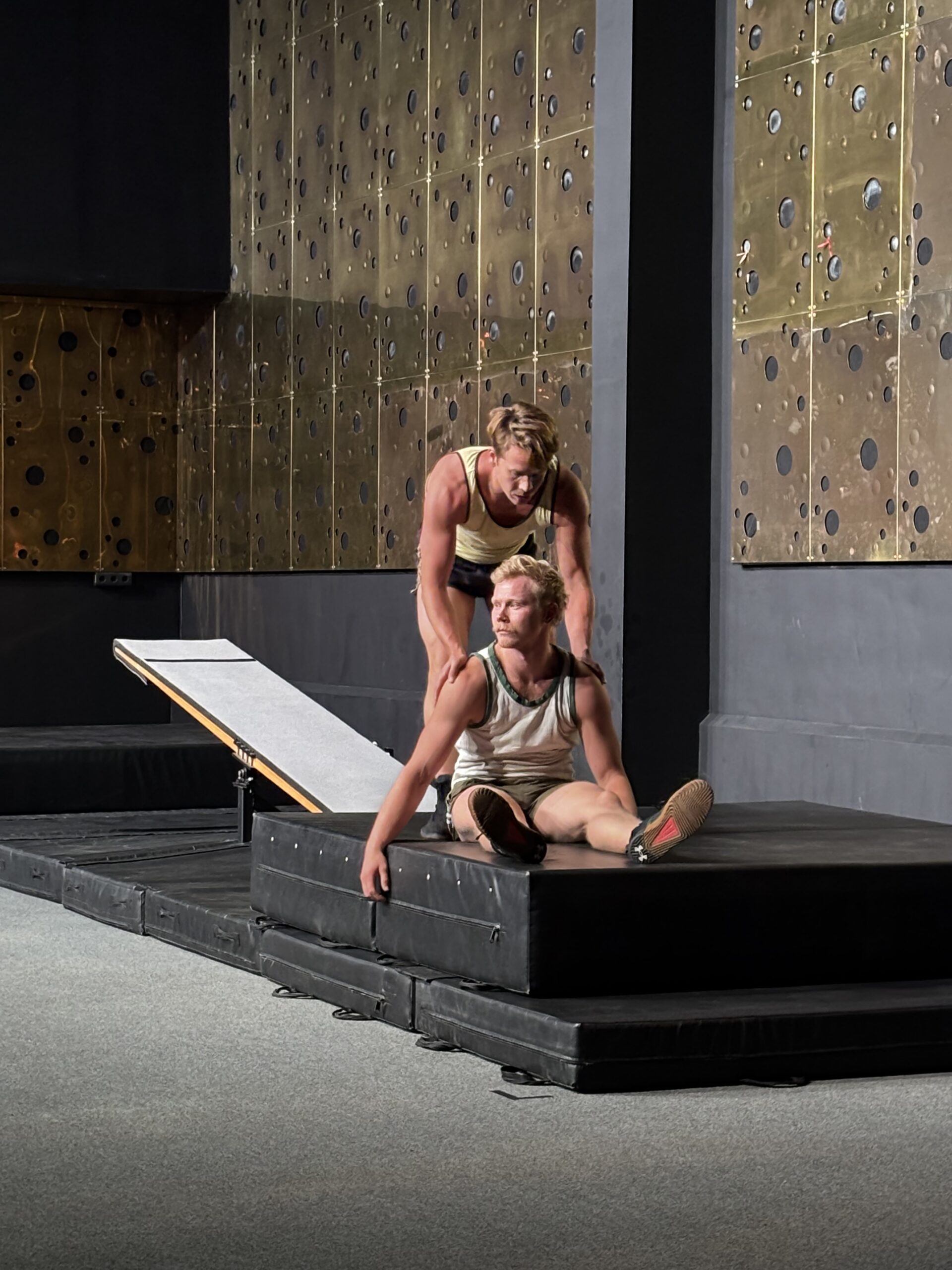
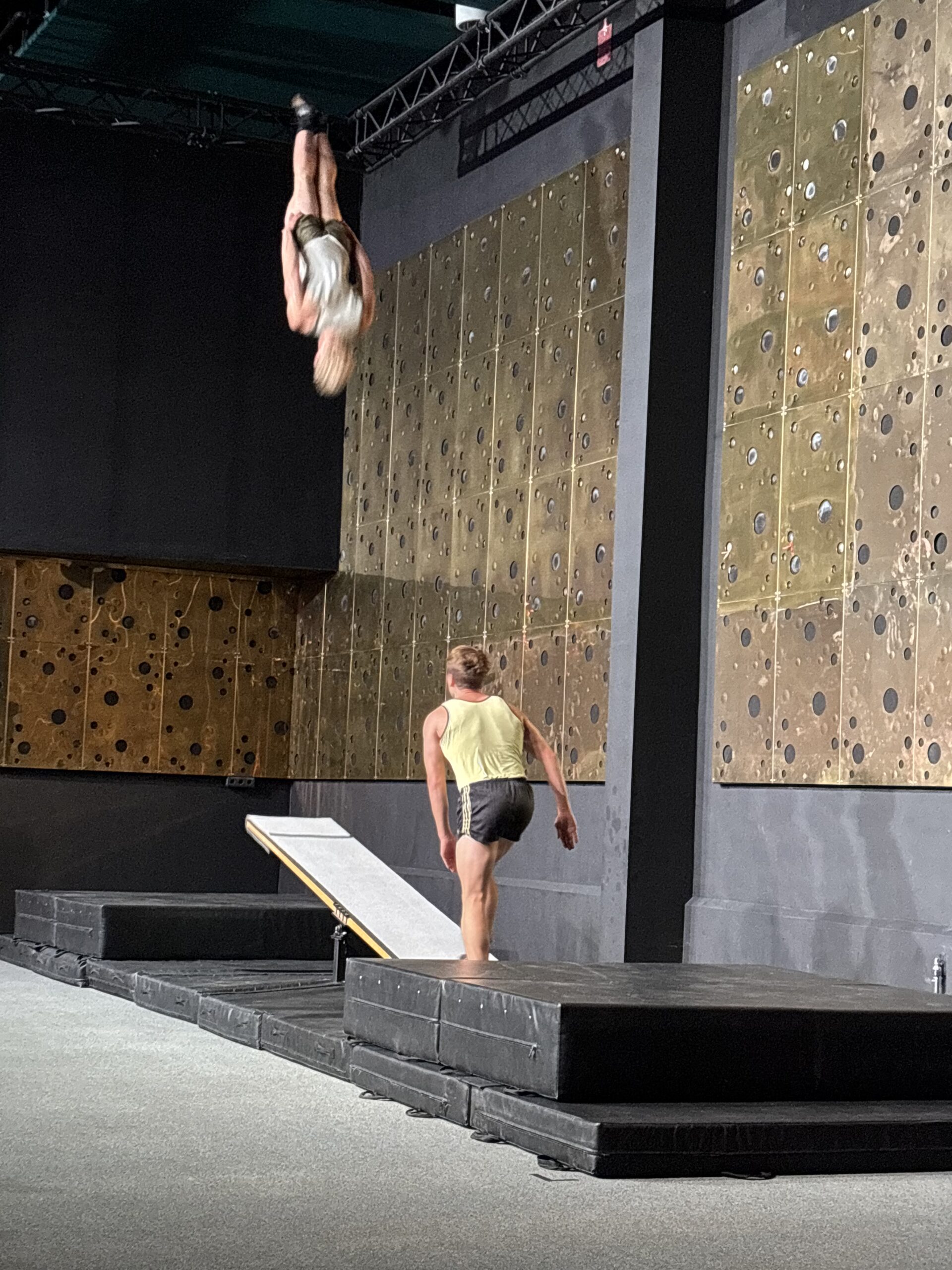
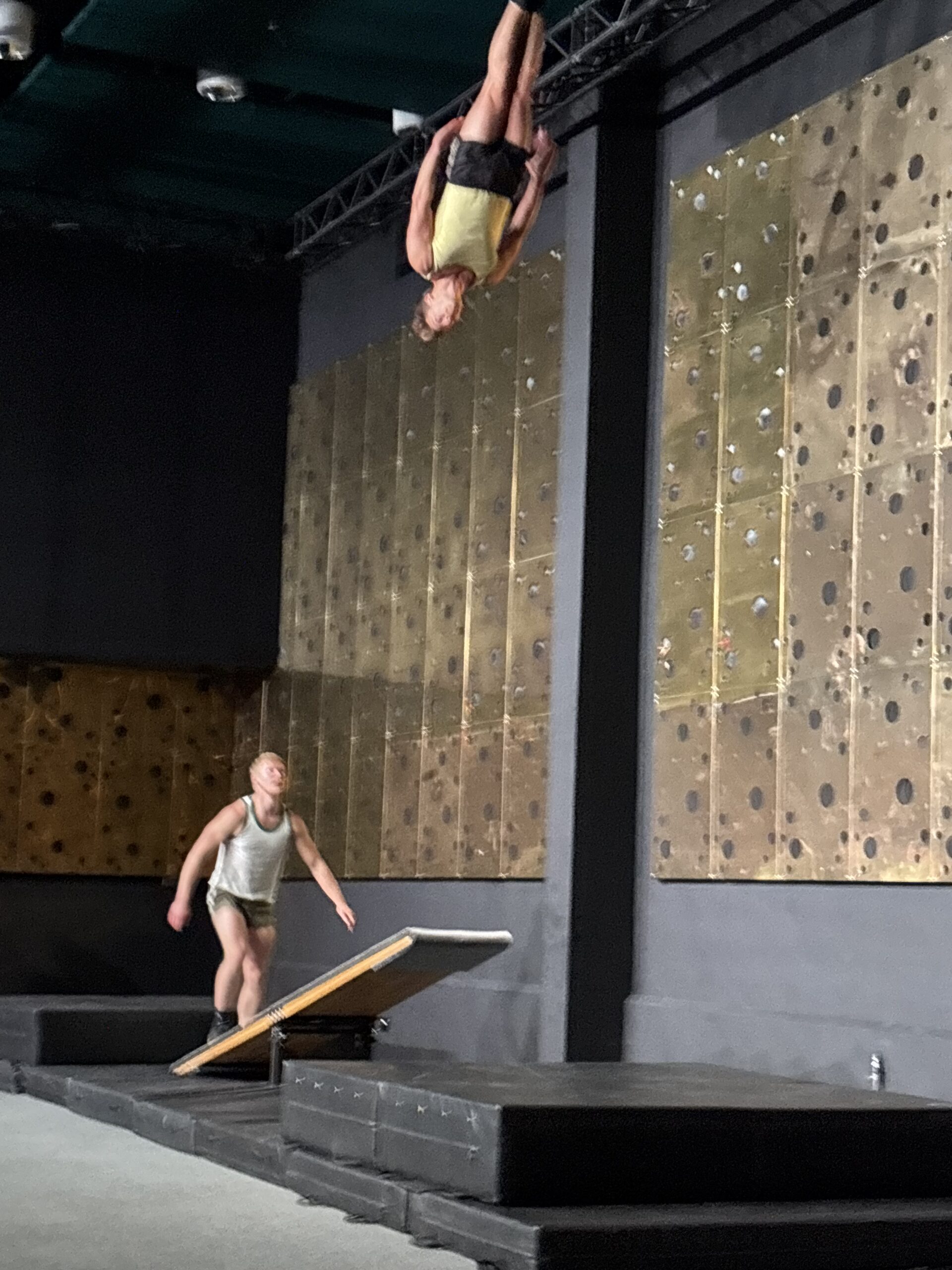
Circus artists Joel Roxendal and Nilas Kronlid performed during the conference dinner. The artists work with Dansinitiativet, a partner in the KOSA project, which is developing a contemporary circus production at SSAB – an example of collaboration between culture and industry.
Thank You for Two Inspiring Days!
The first Swedish Metals & Minerals Program Conference brought together industry needs, ongoing research and perspectives from across society.
By connecting people, knowledge and initiatives across the value chain, the conference created opportunities for continued dialogue and future collaboration.
A big thank you to all participants, speakers and project teams who contributed to two engaging and insightful days. We look forward to seeing how the work and connections develop further!
Photos from both conference days by Axel Fernandez/Cathrine Svakko.
