Strong engagement around CRM as SMRID 2026 entered a new host constellation
News

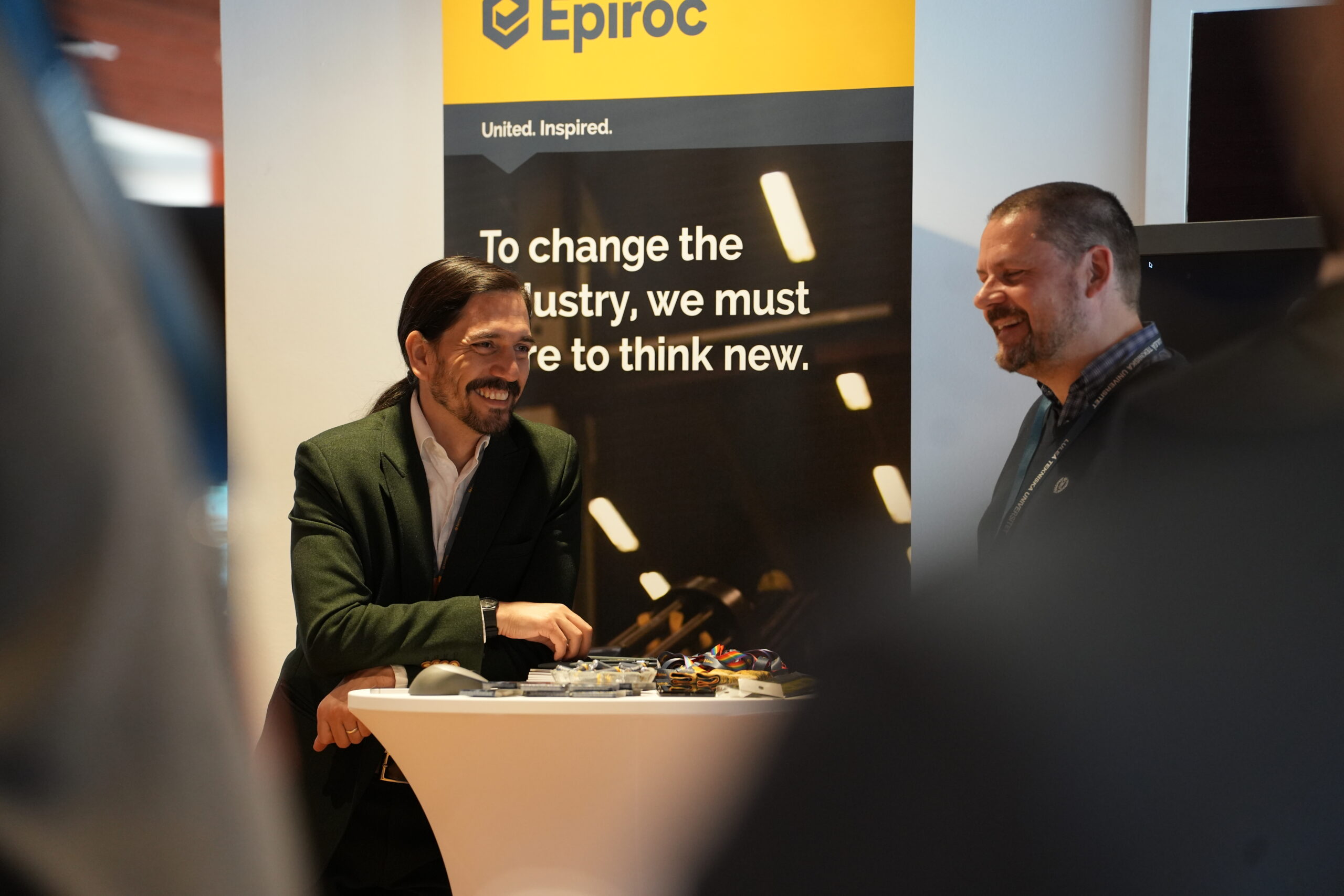
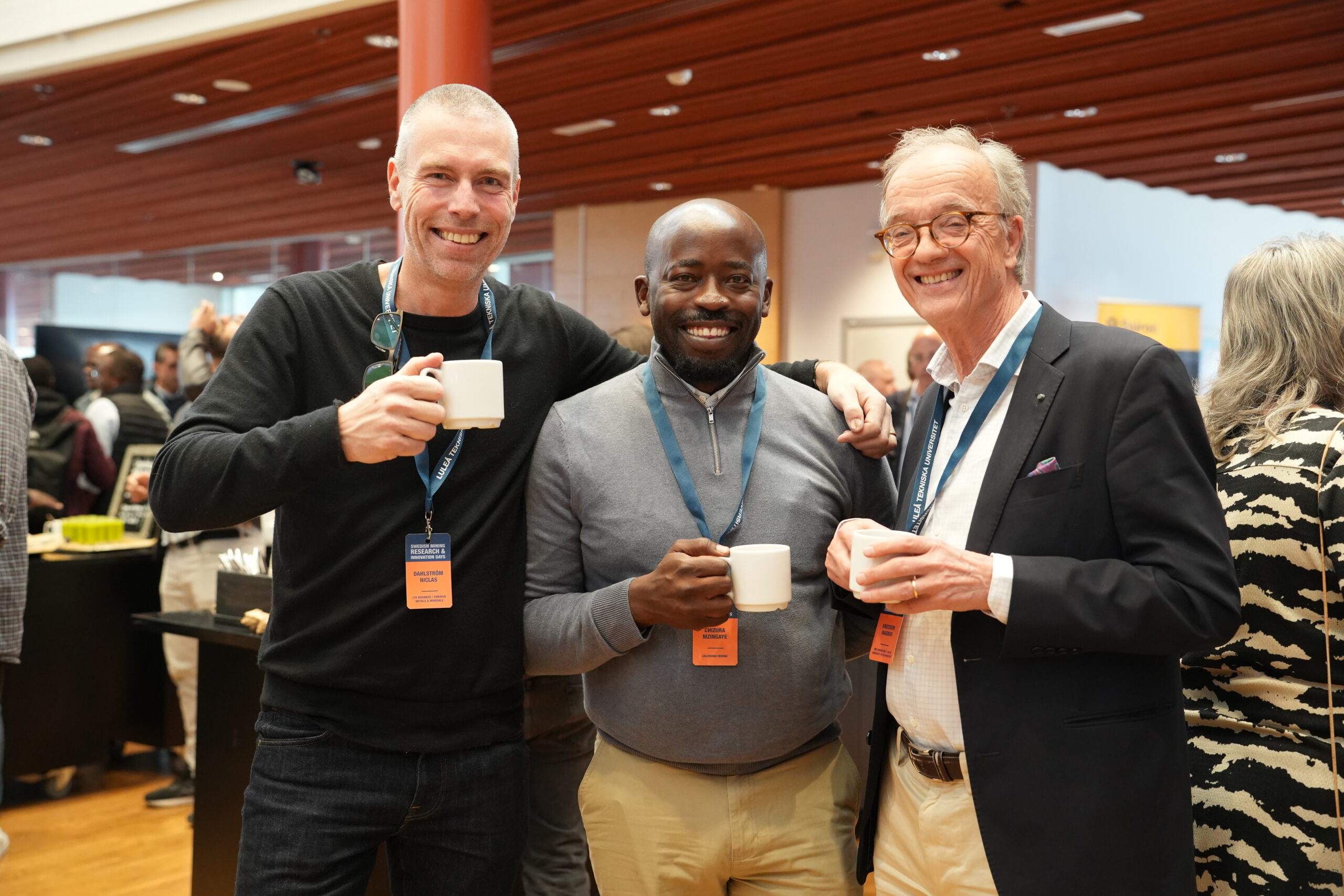
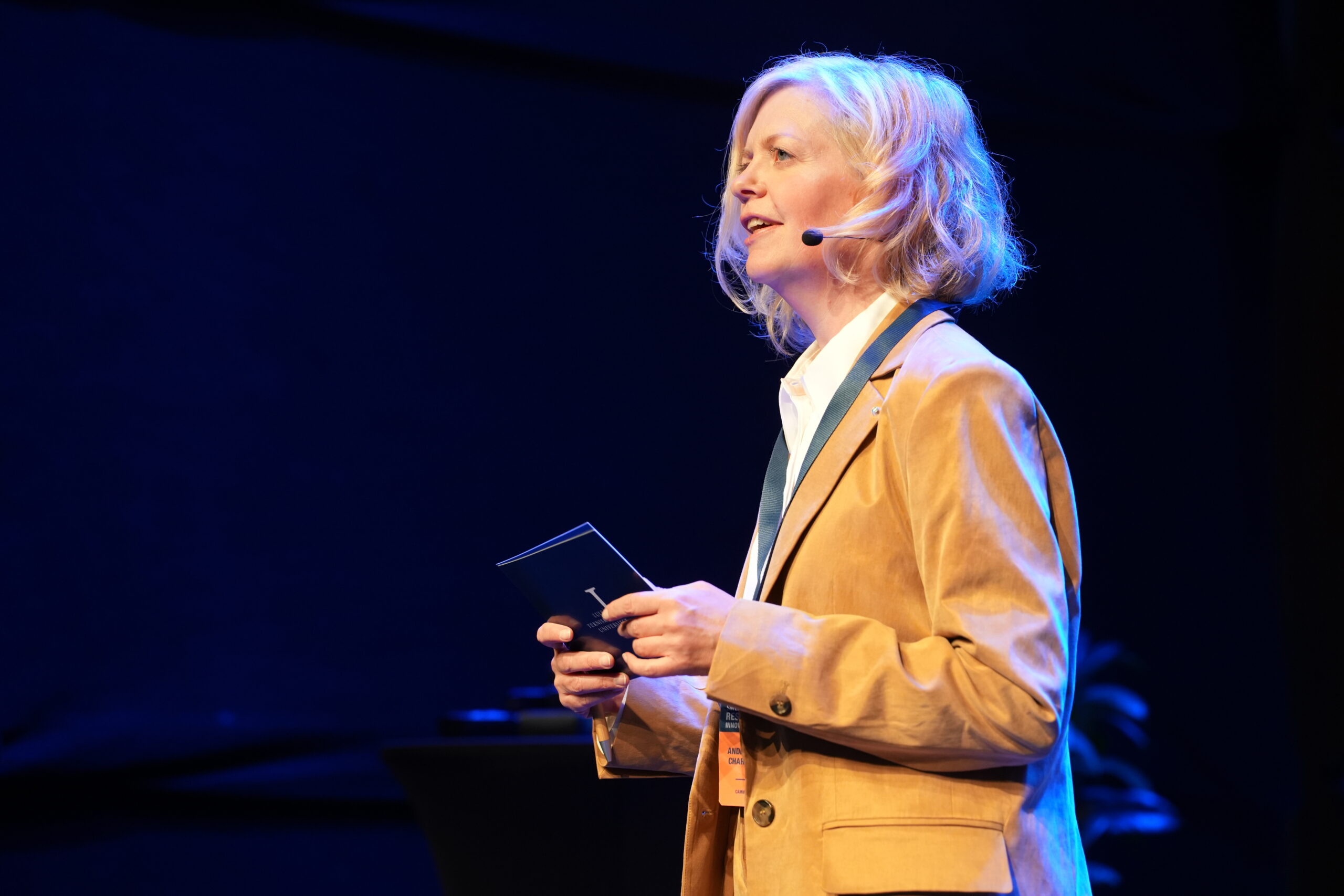
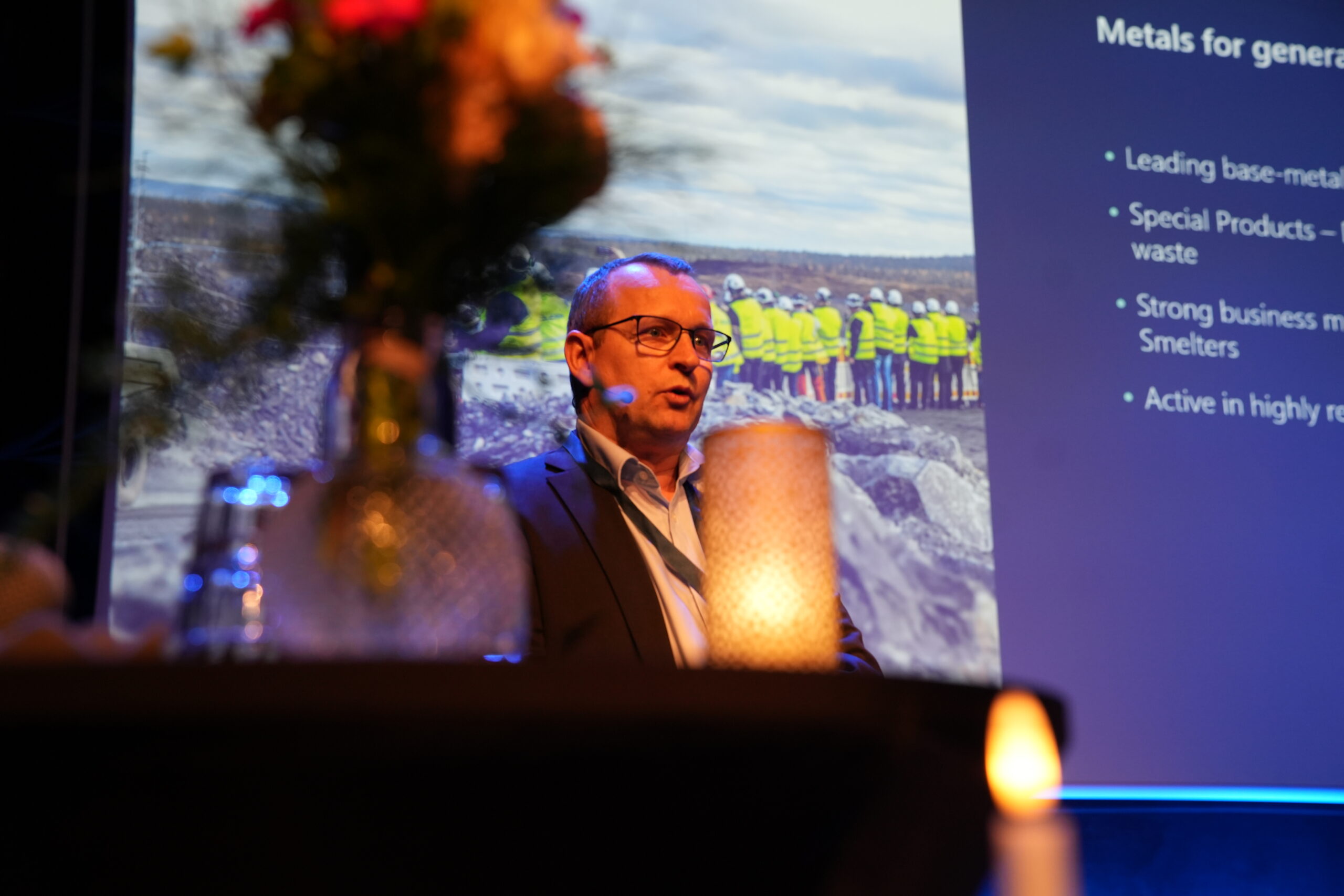
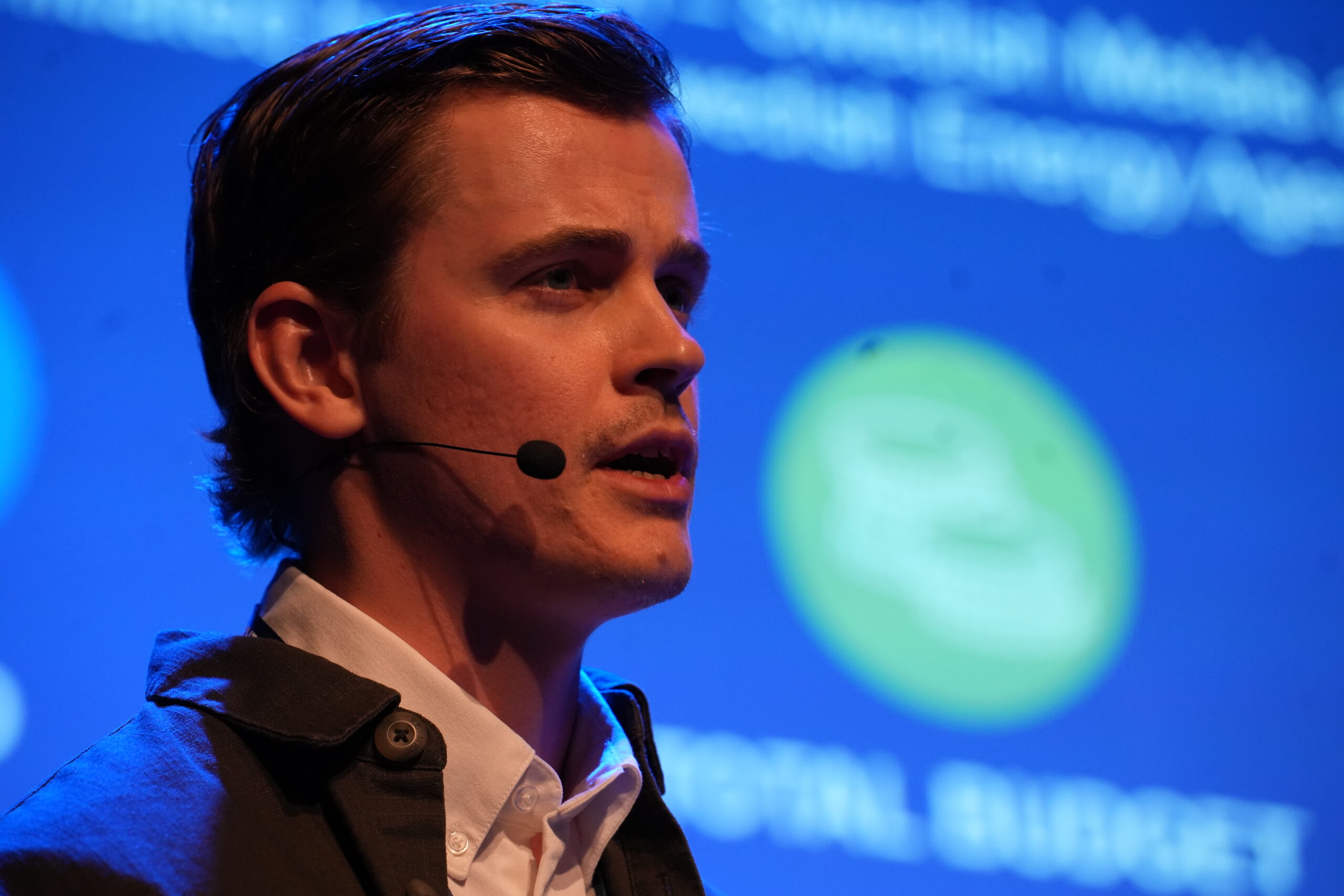
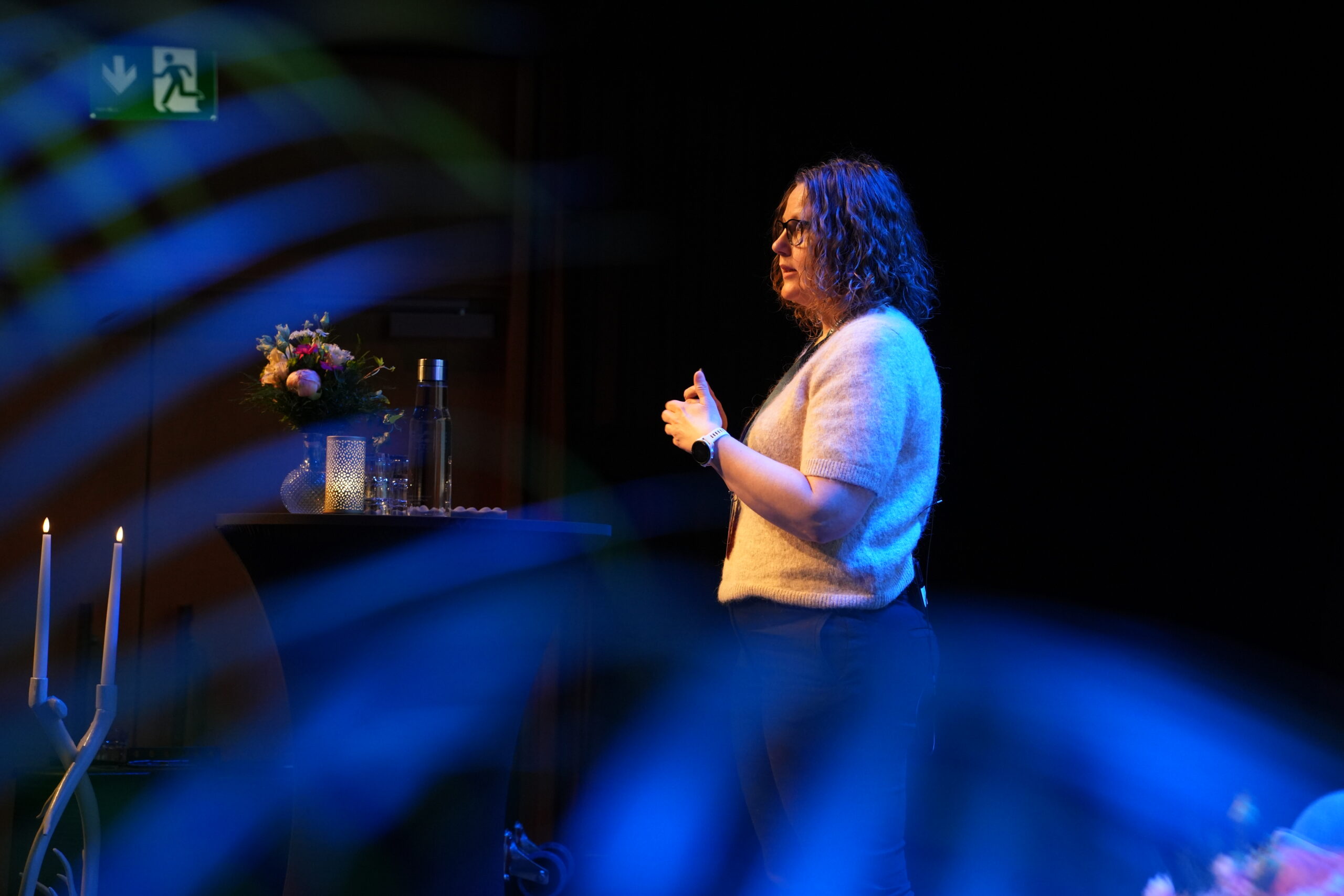
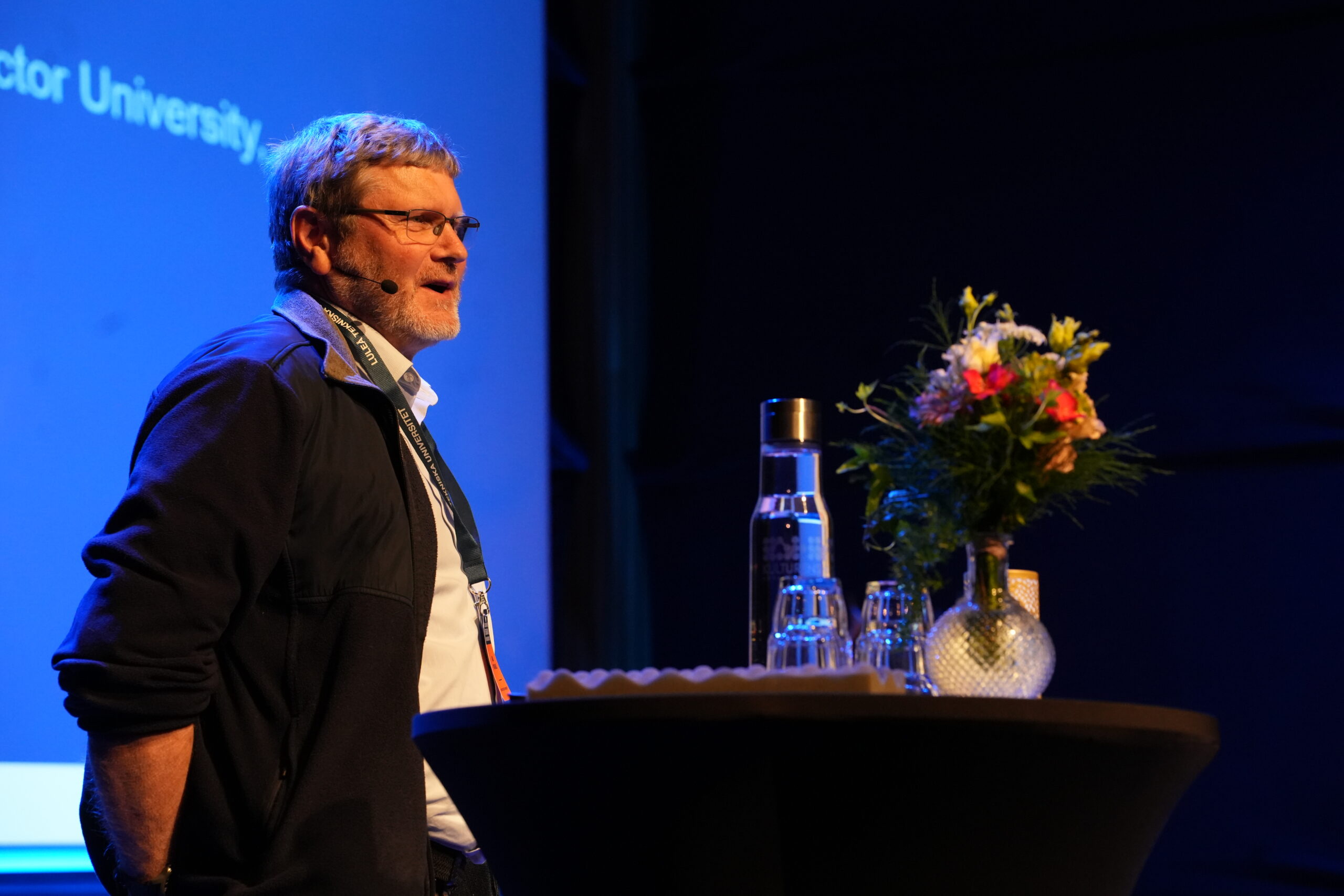
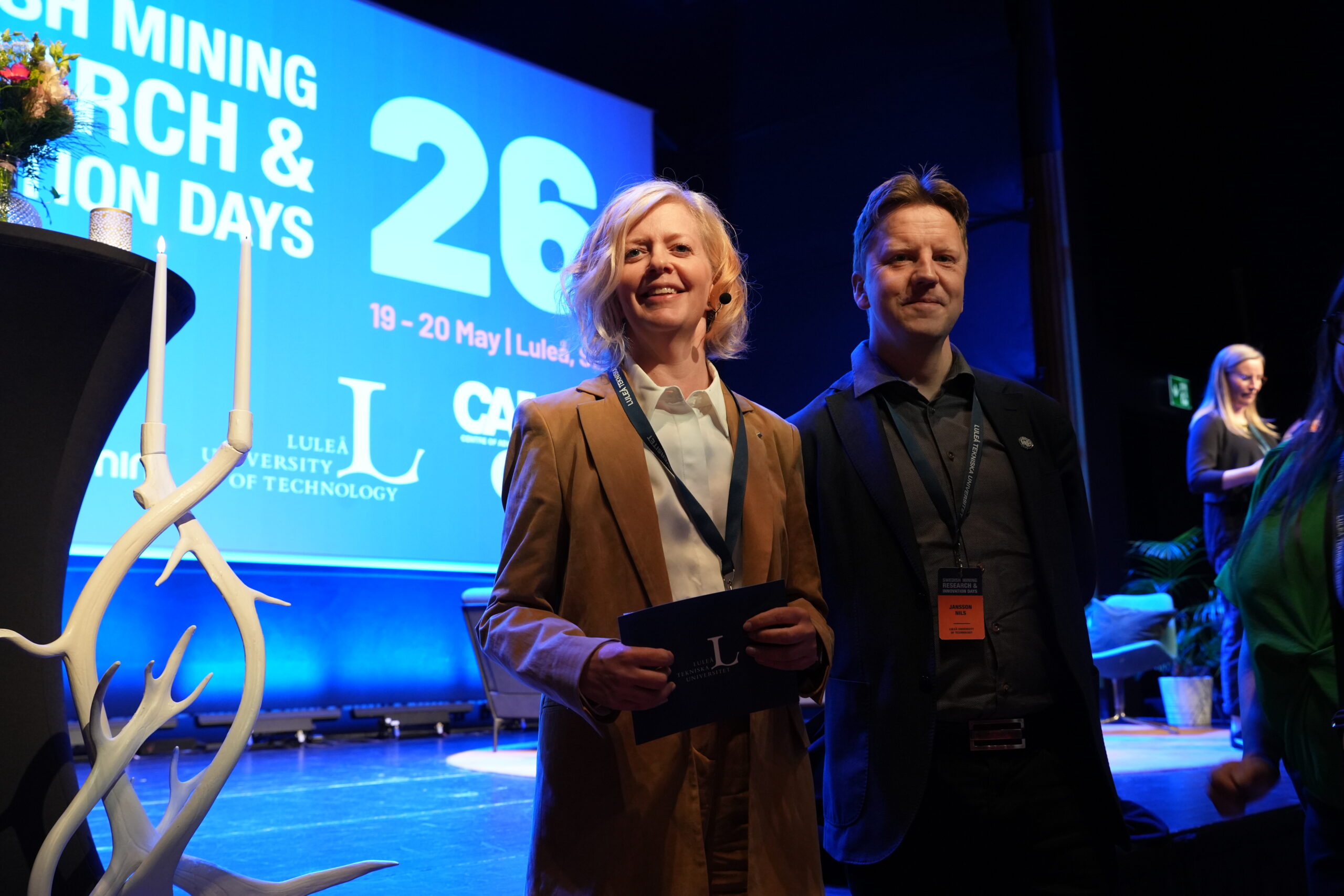
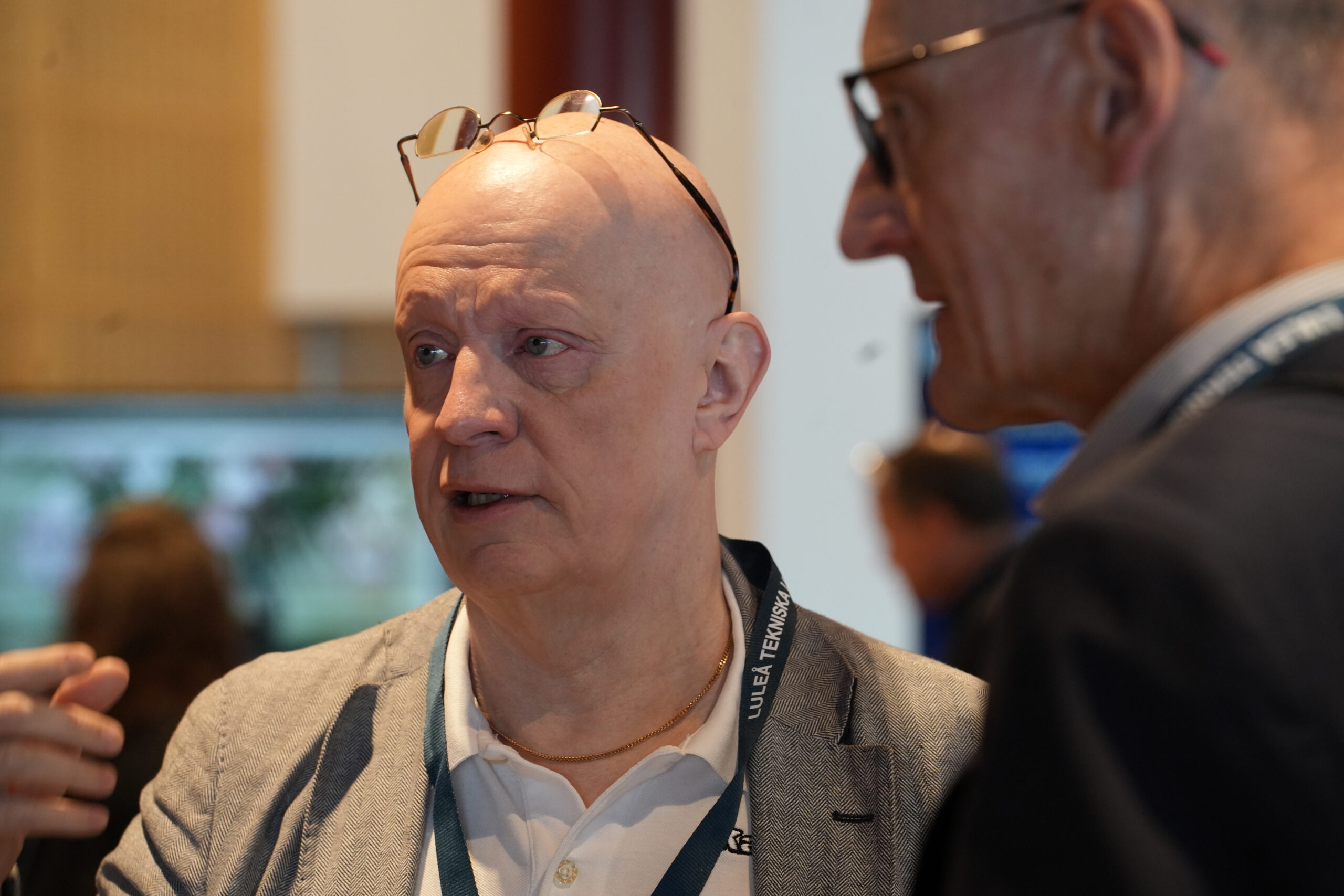
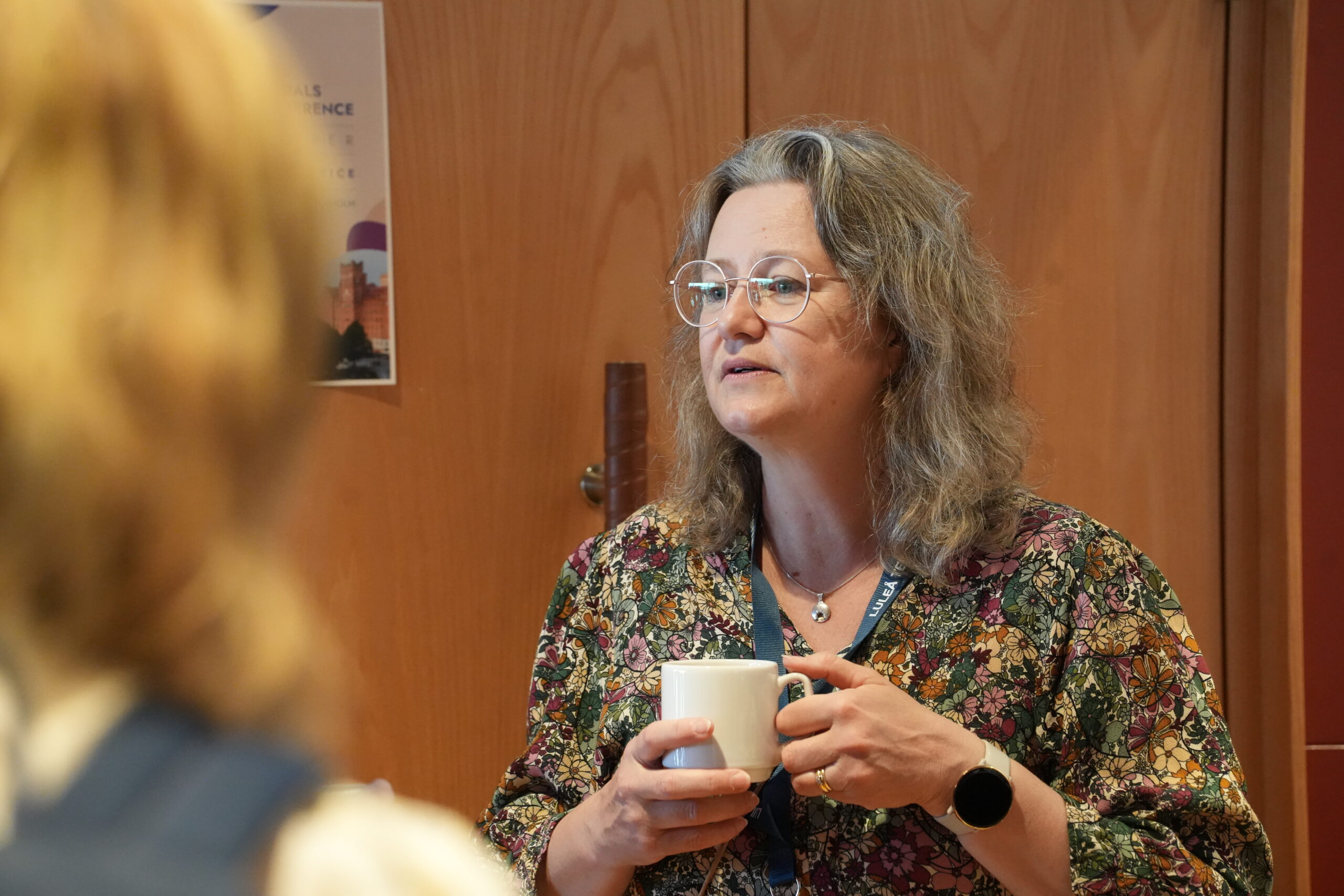
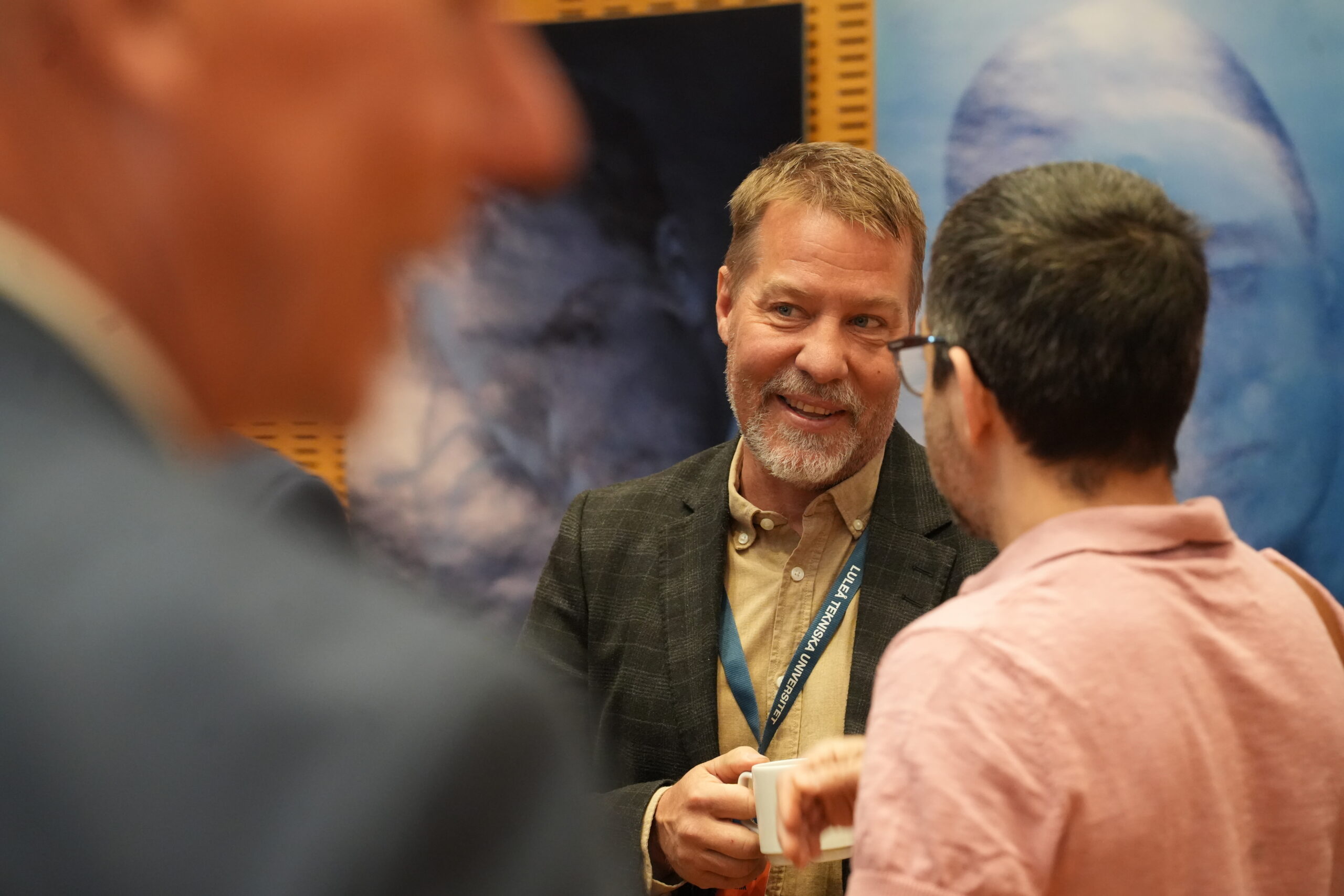
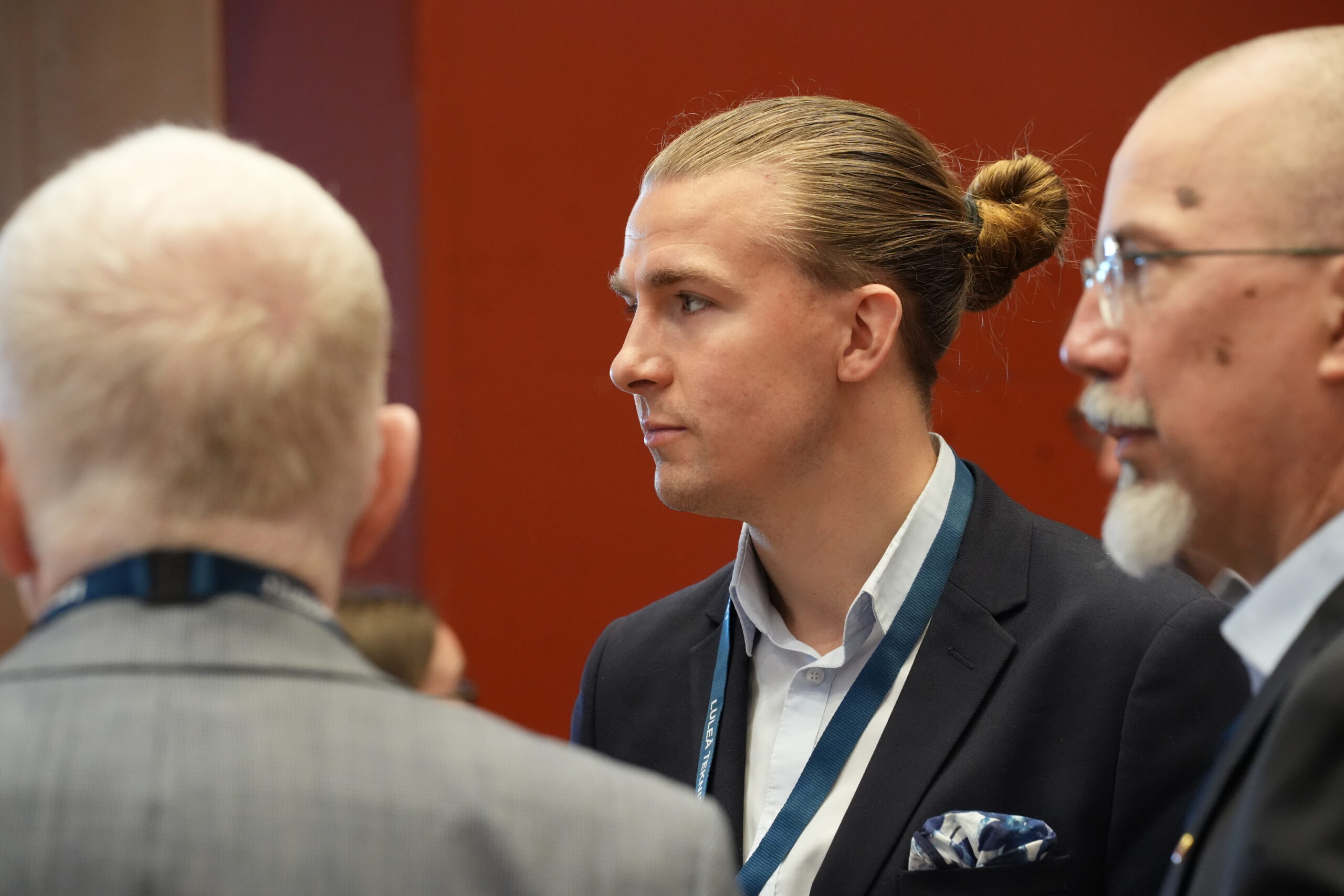
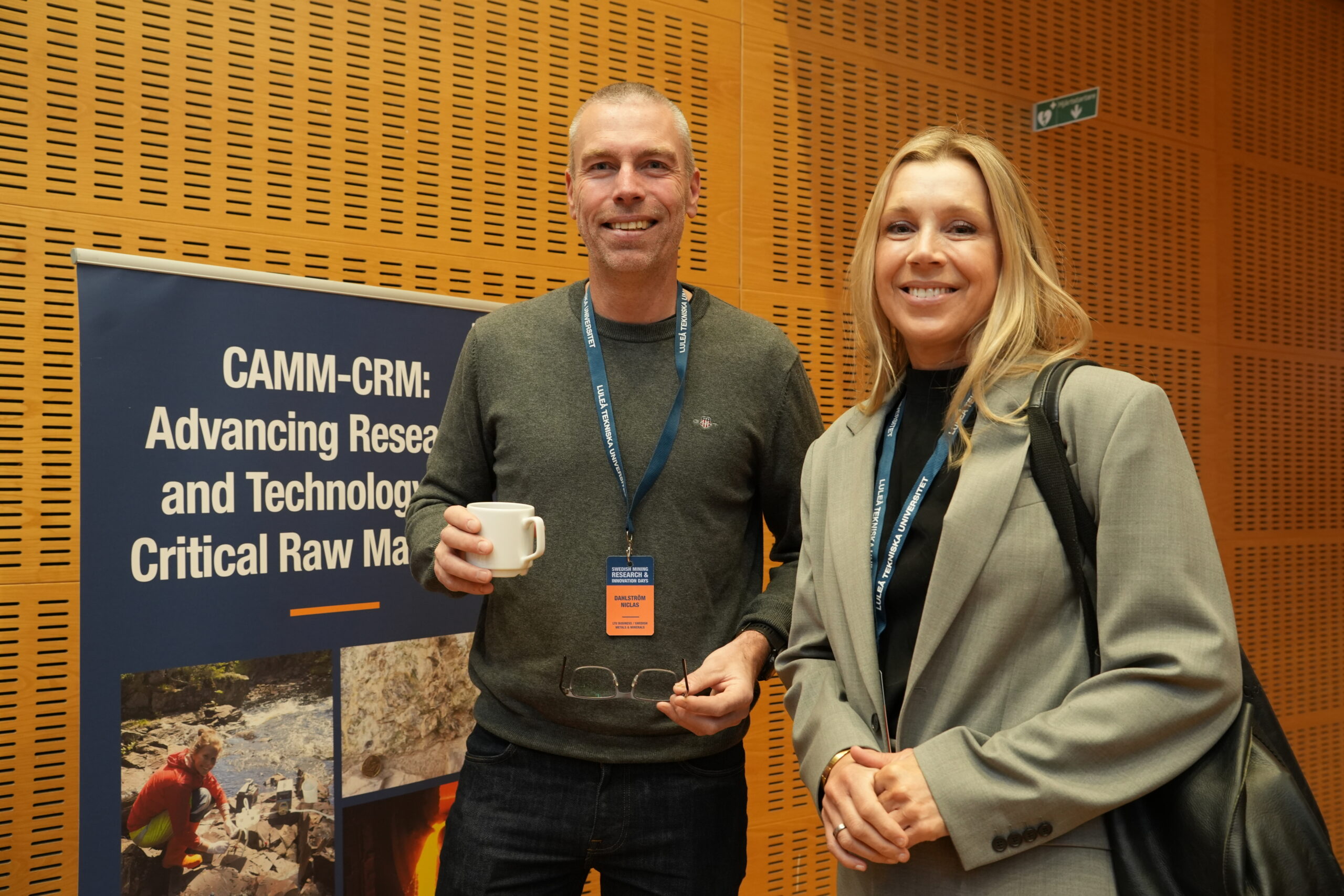
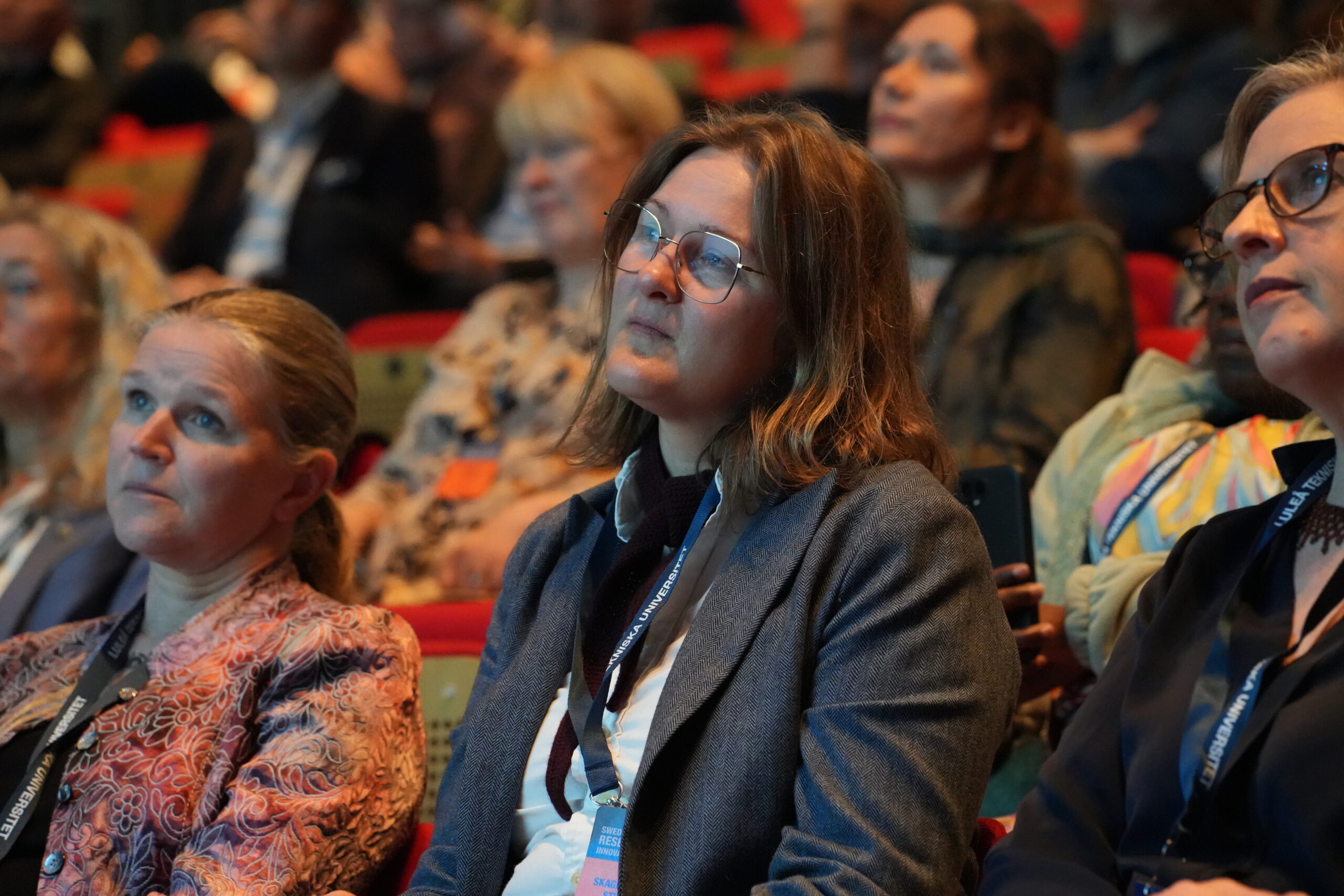
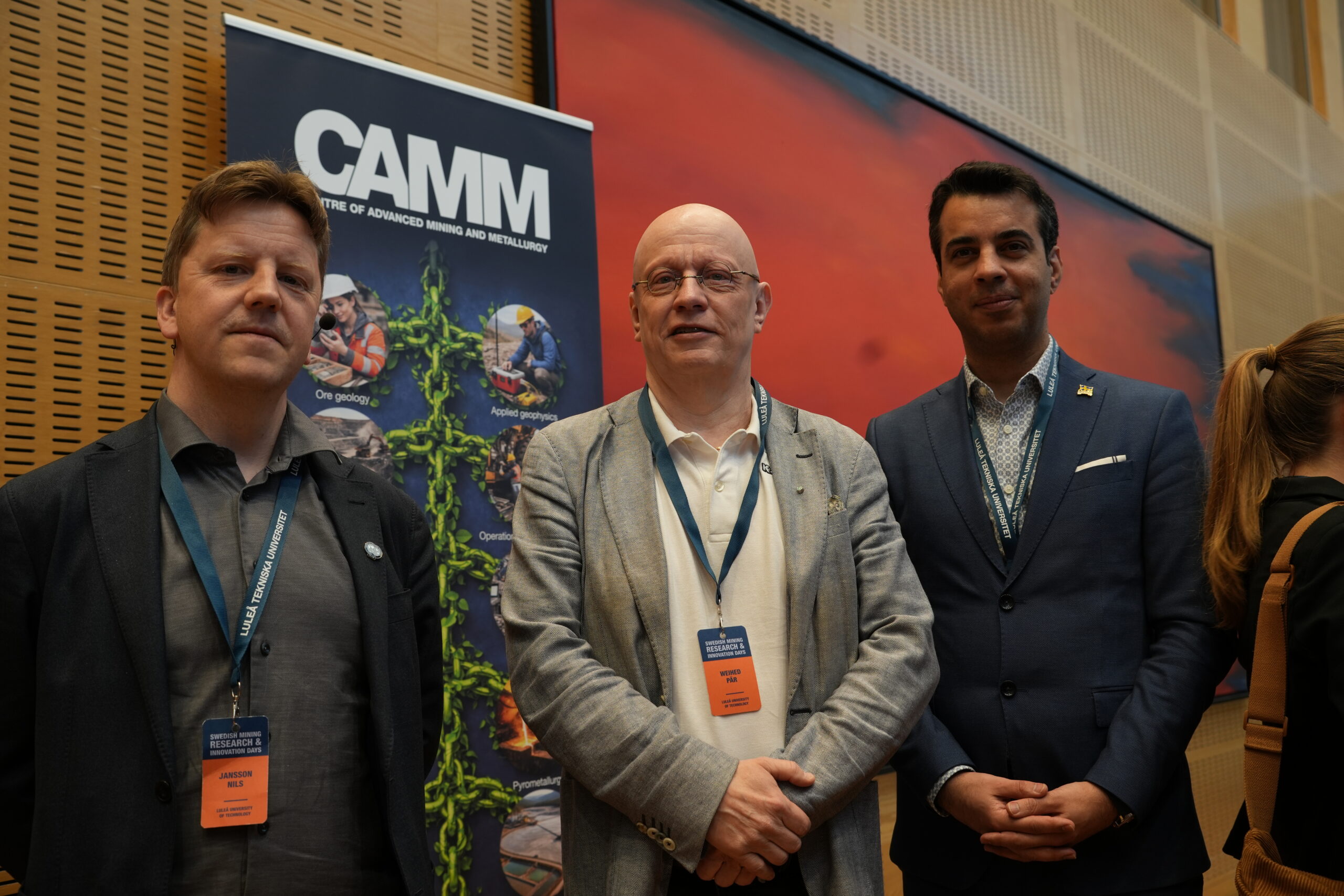
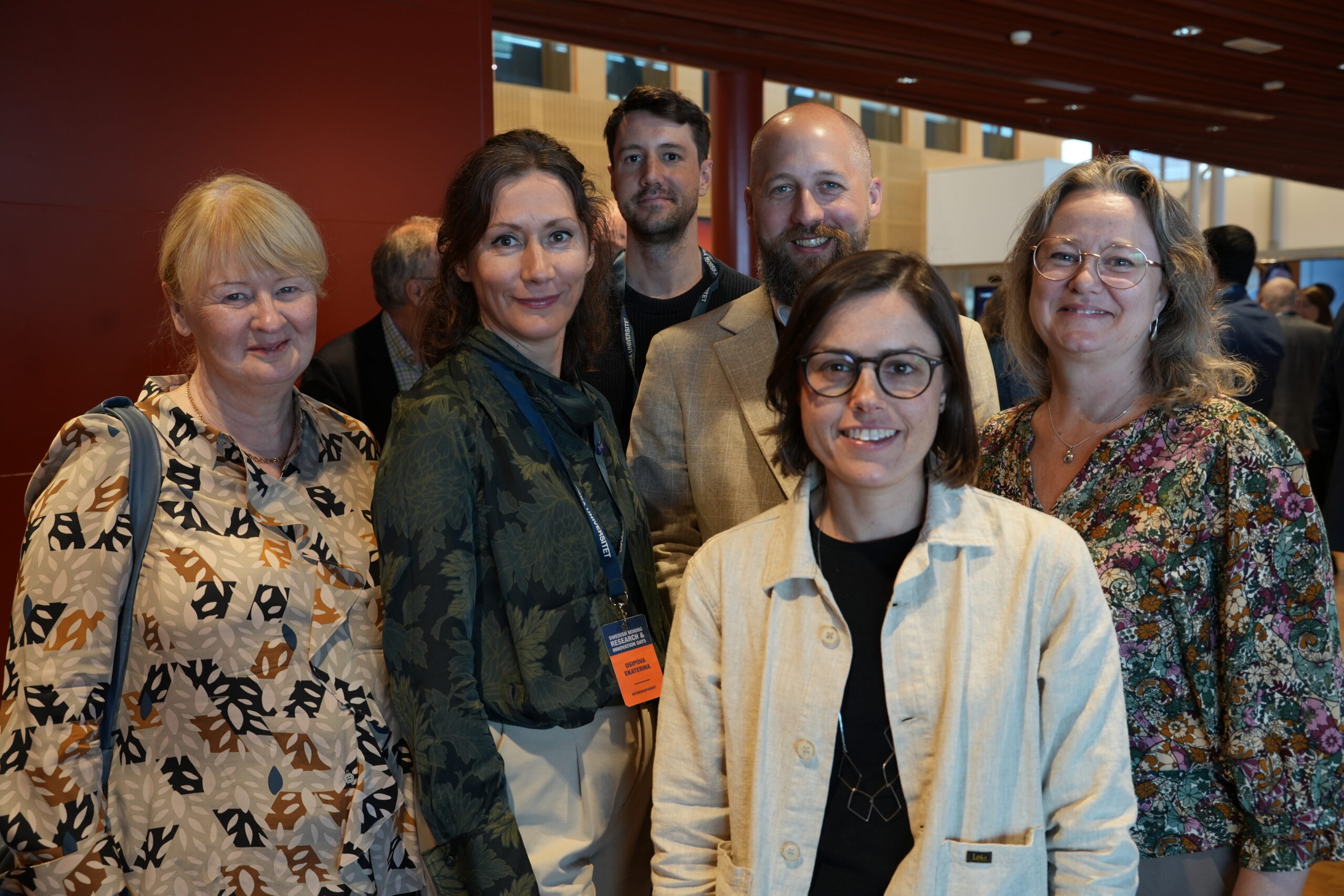
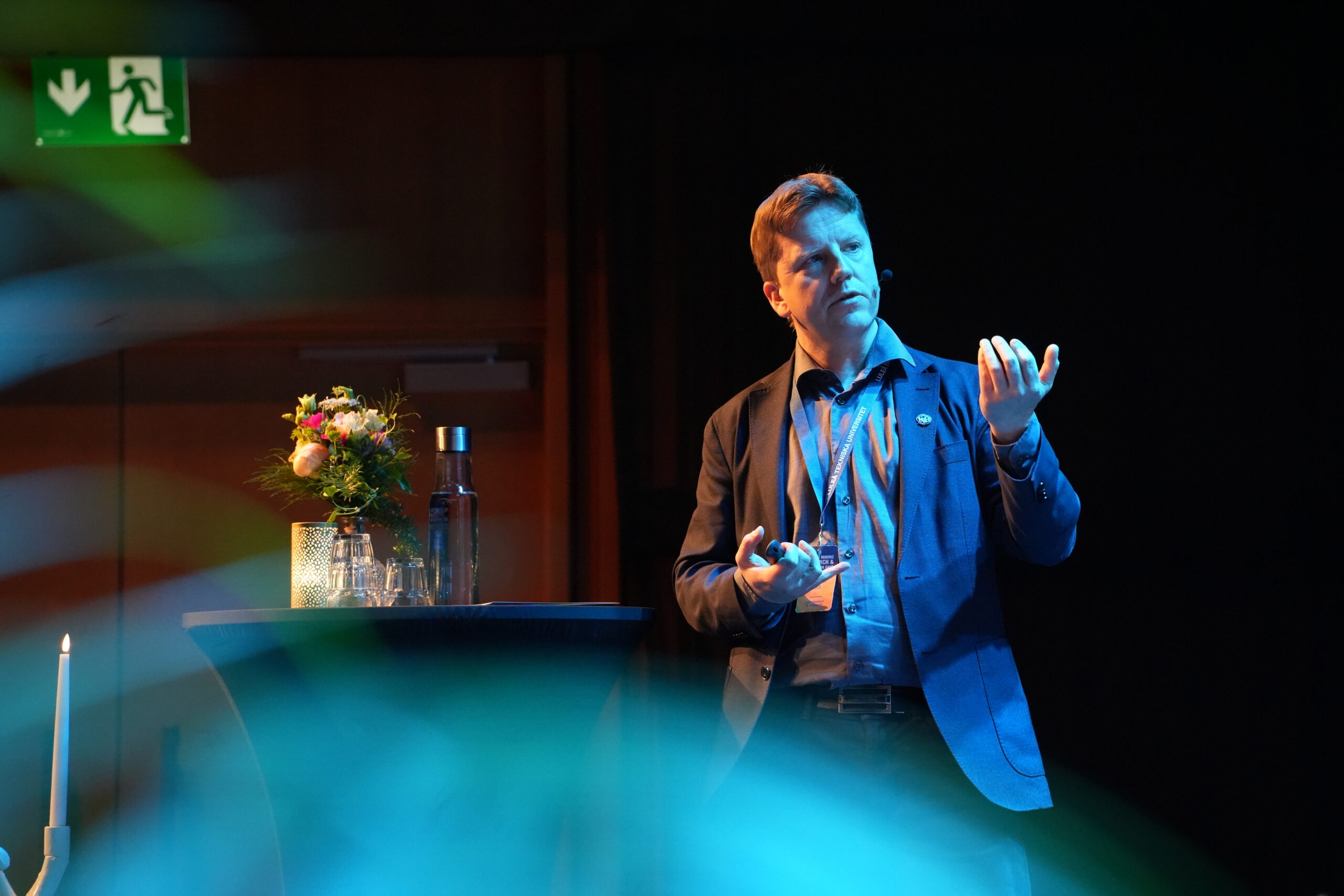
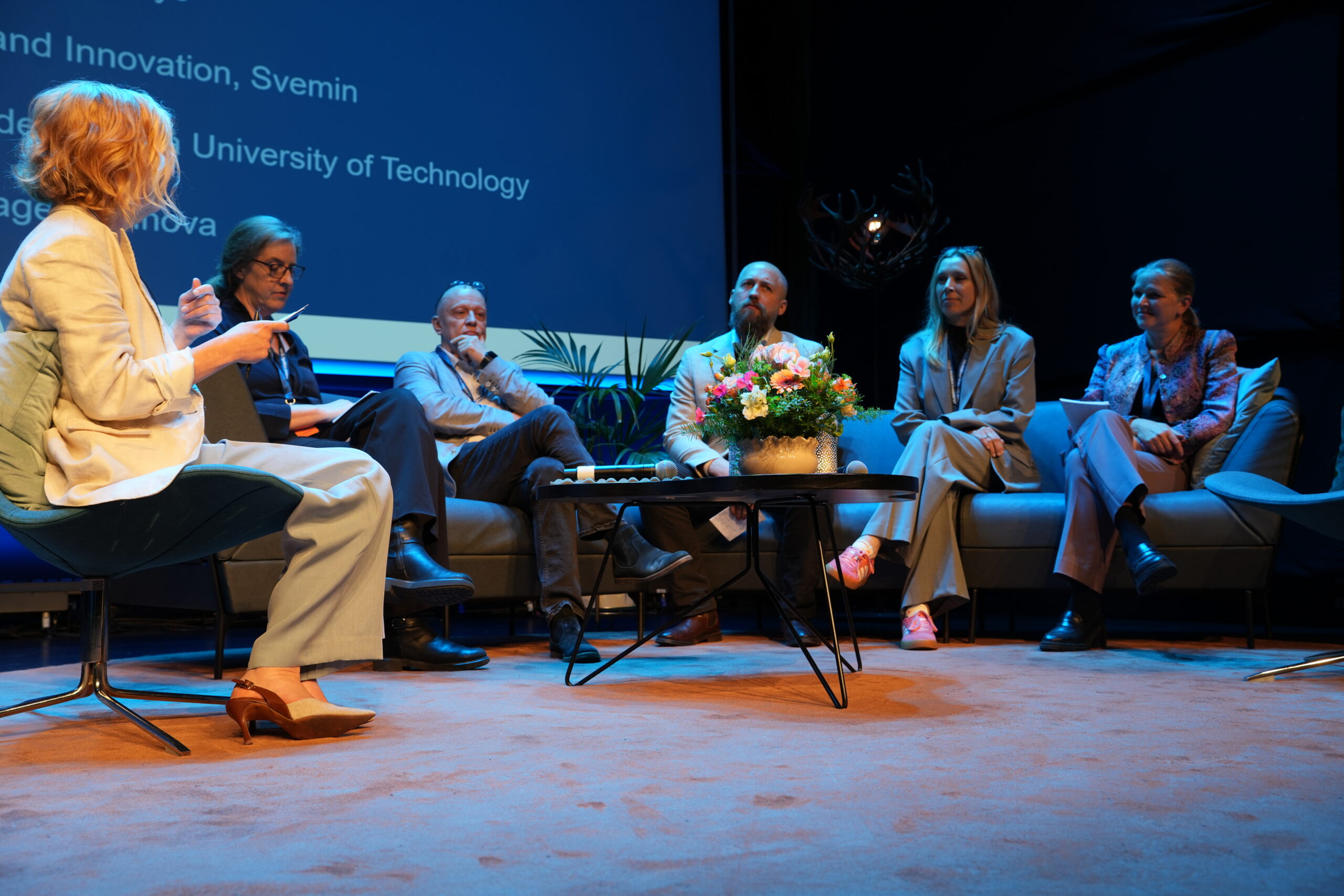
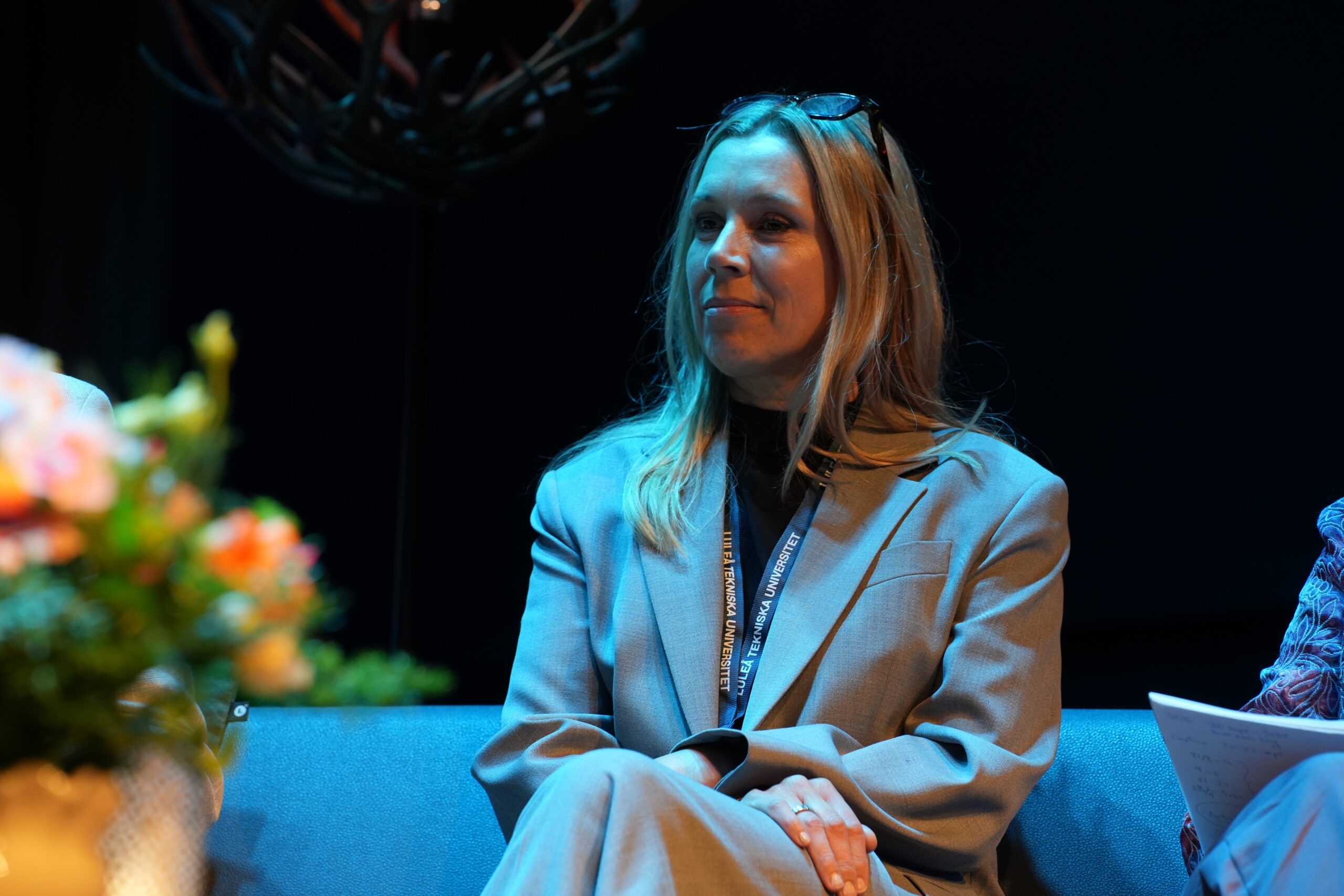
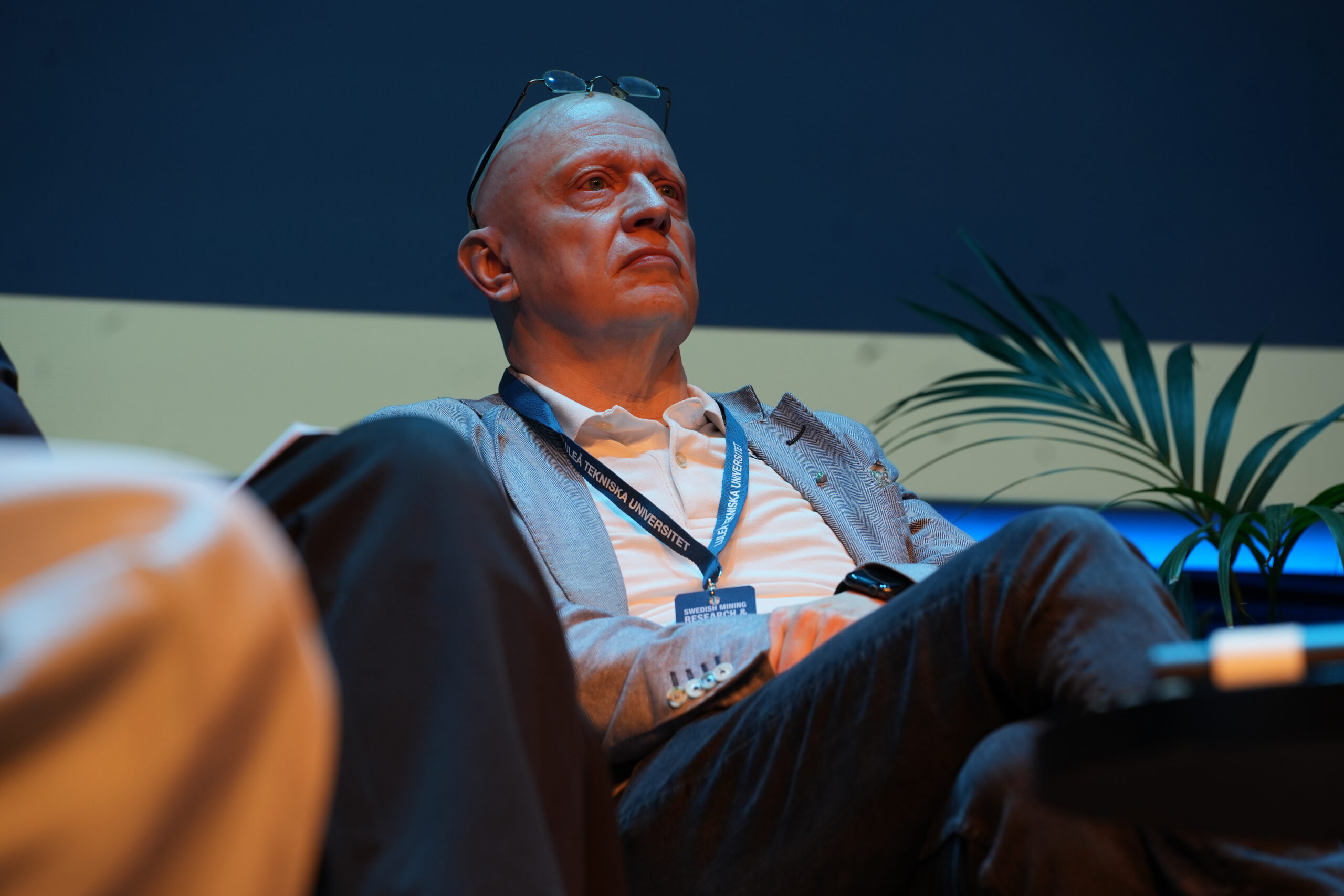
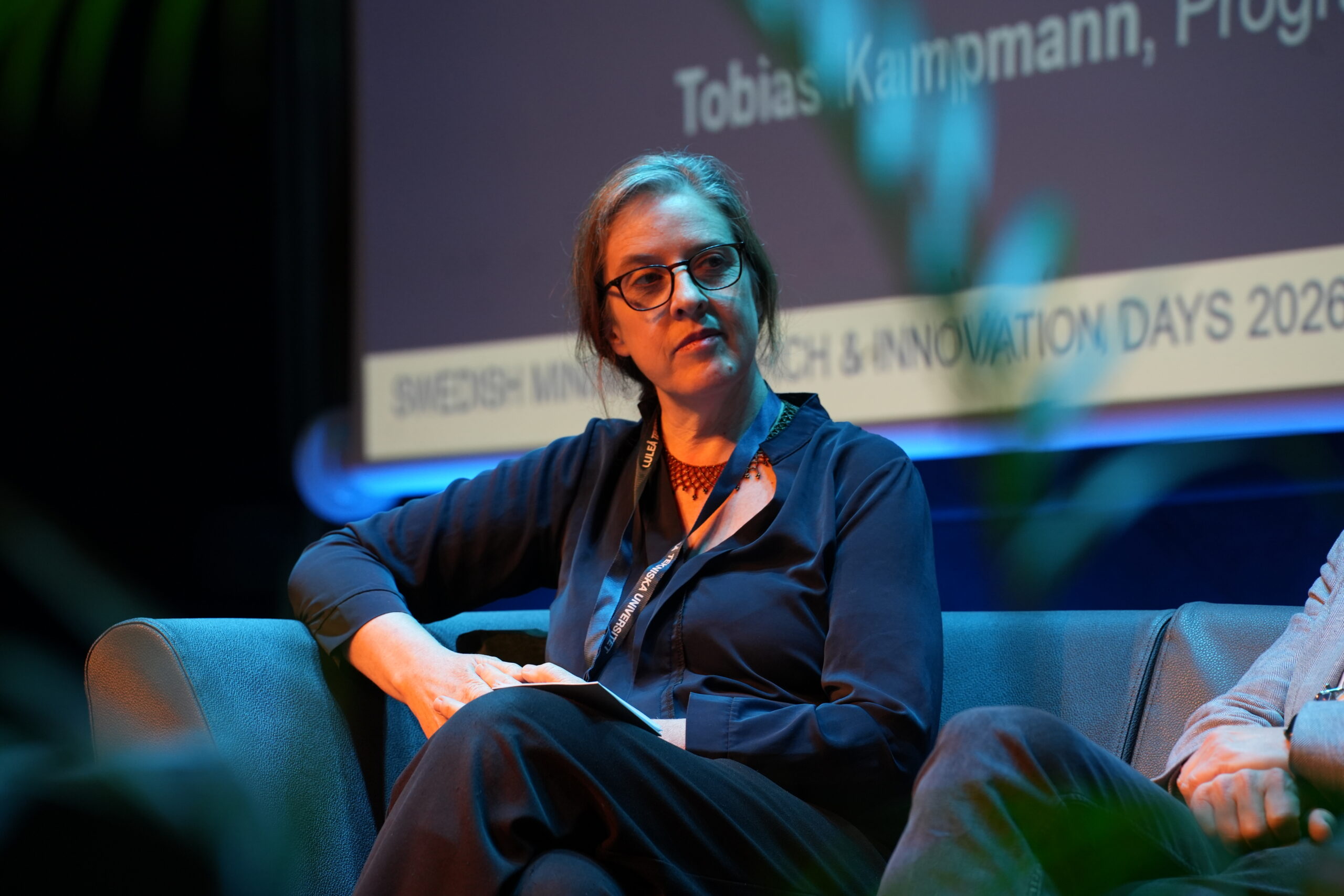
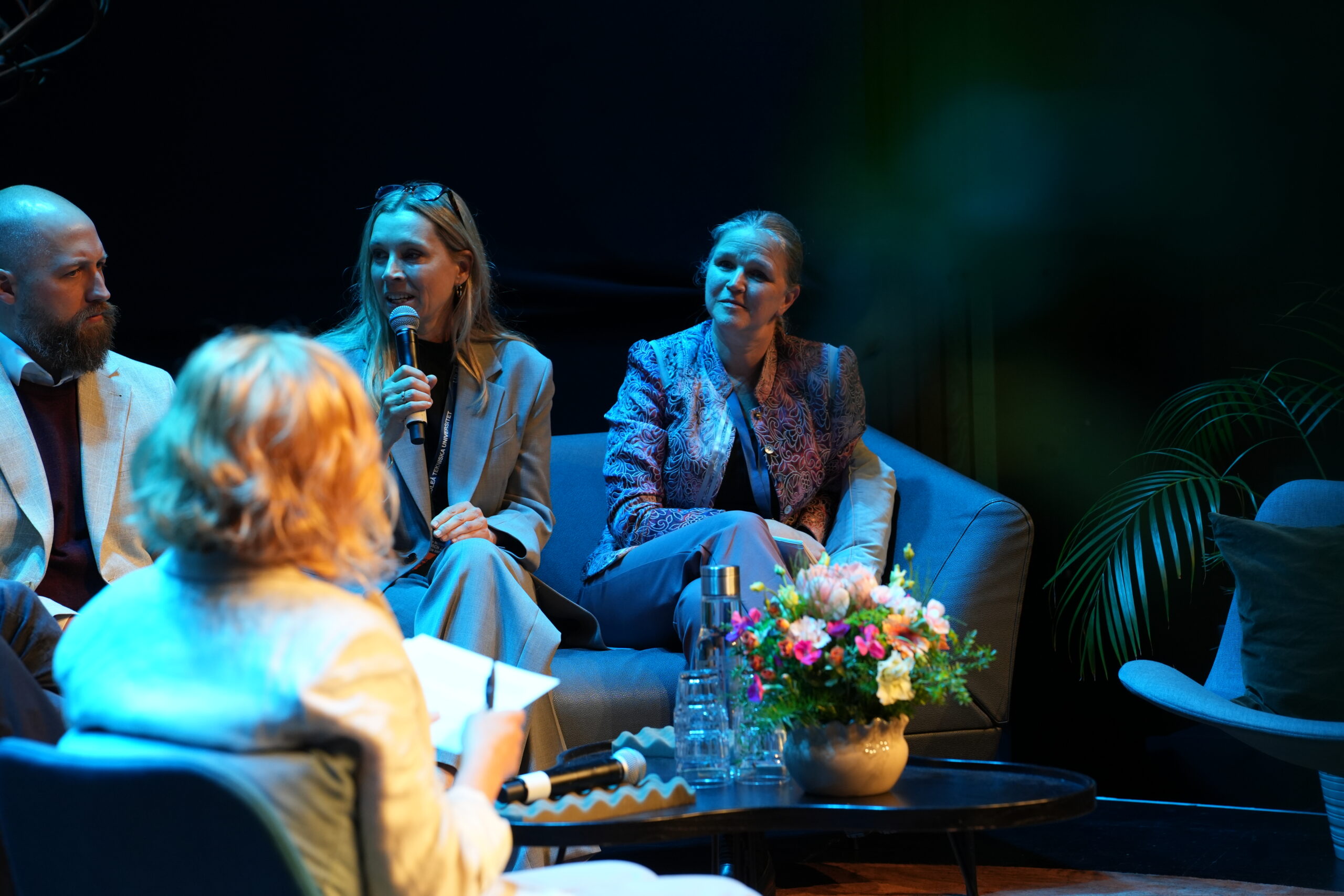
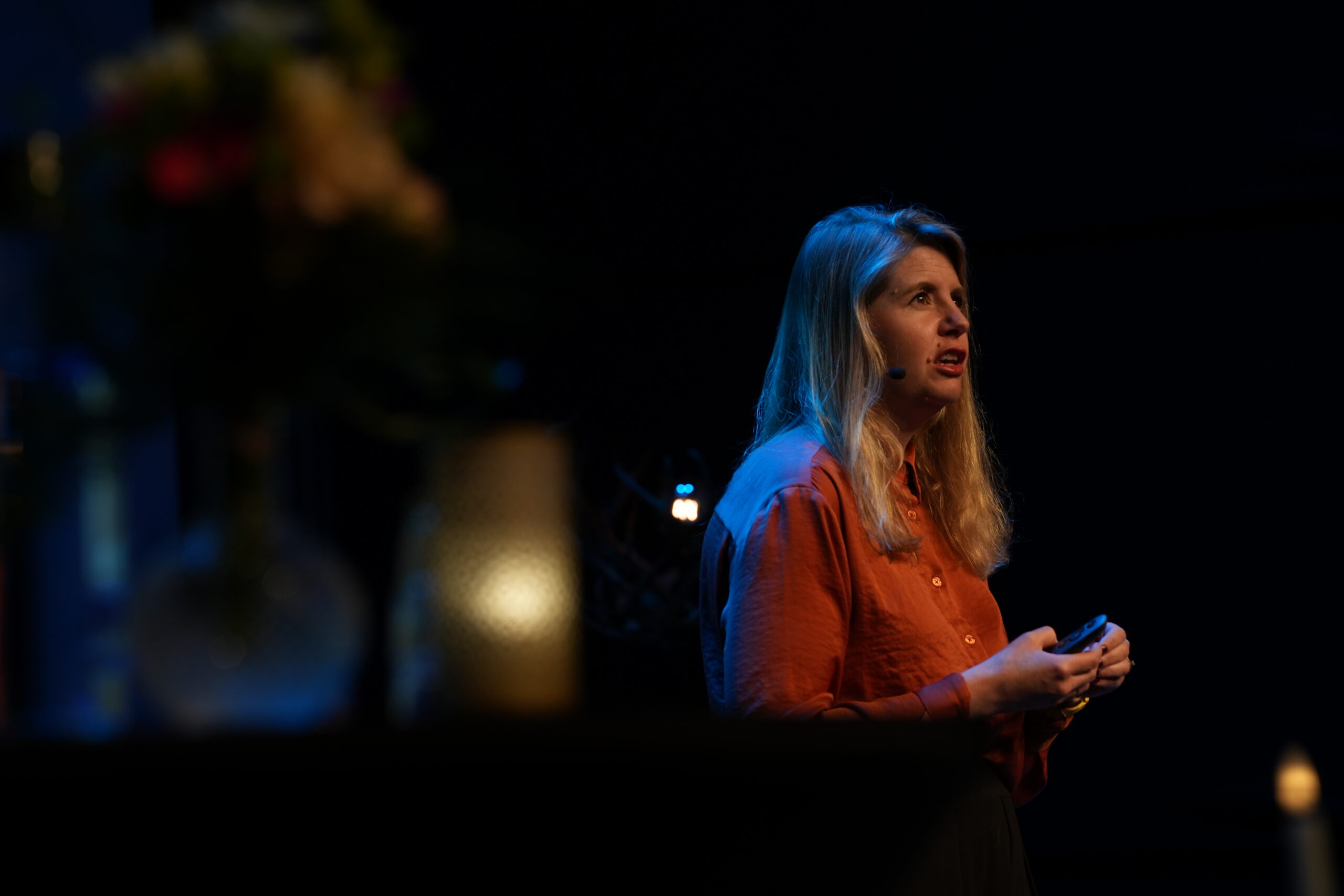
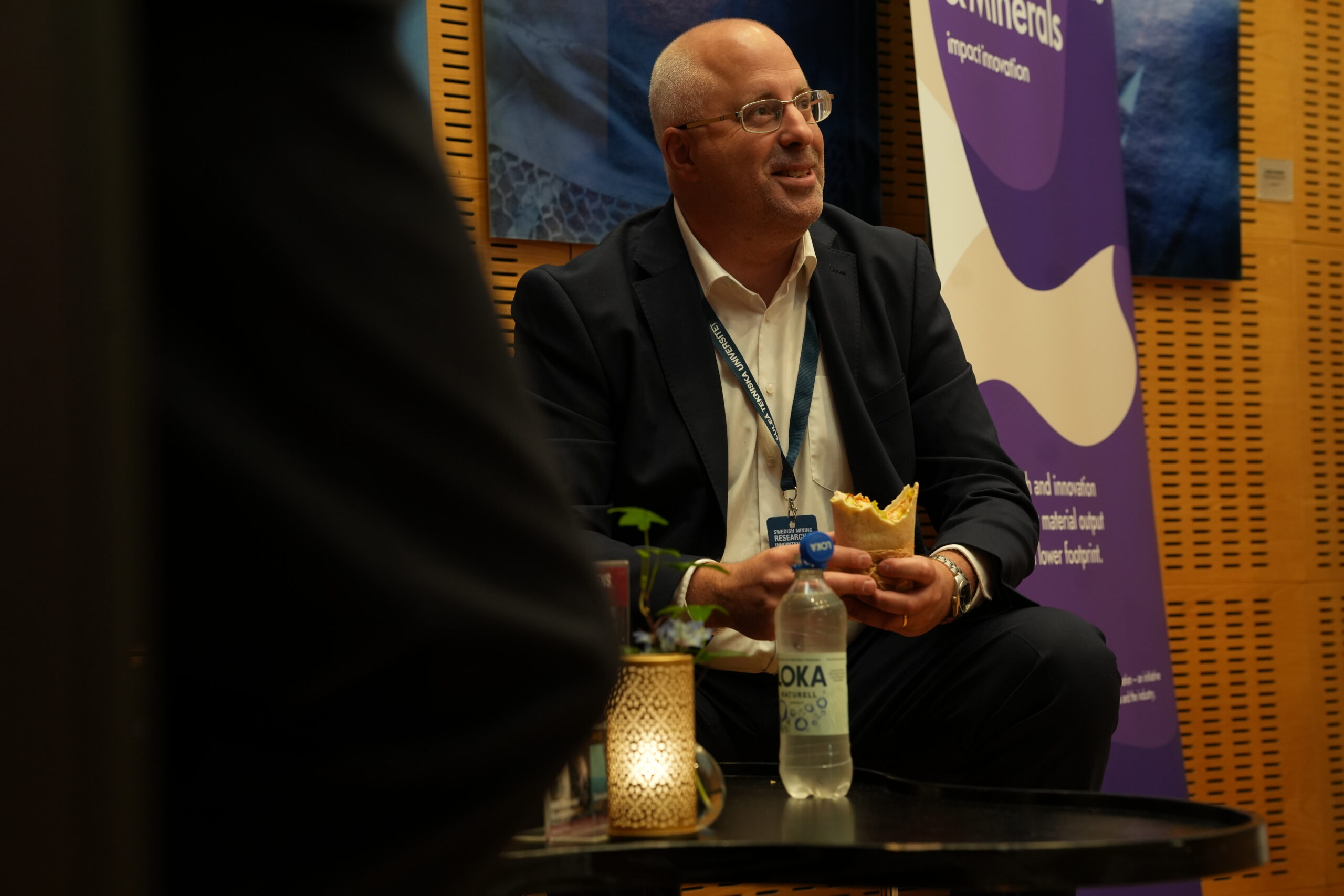
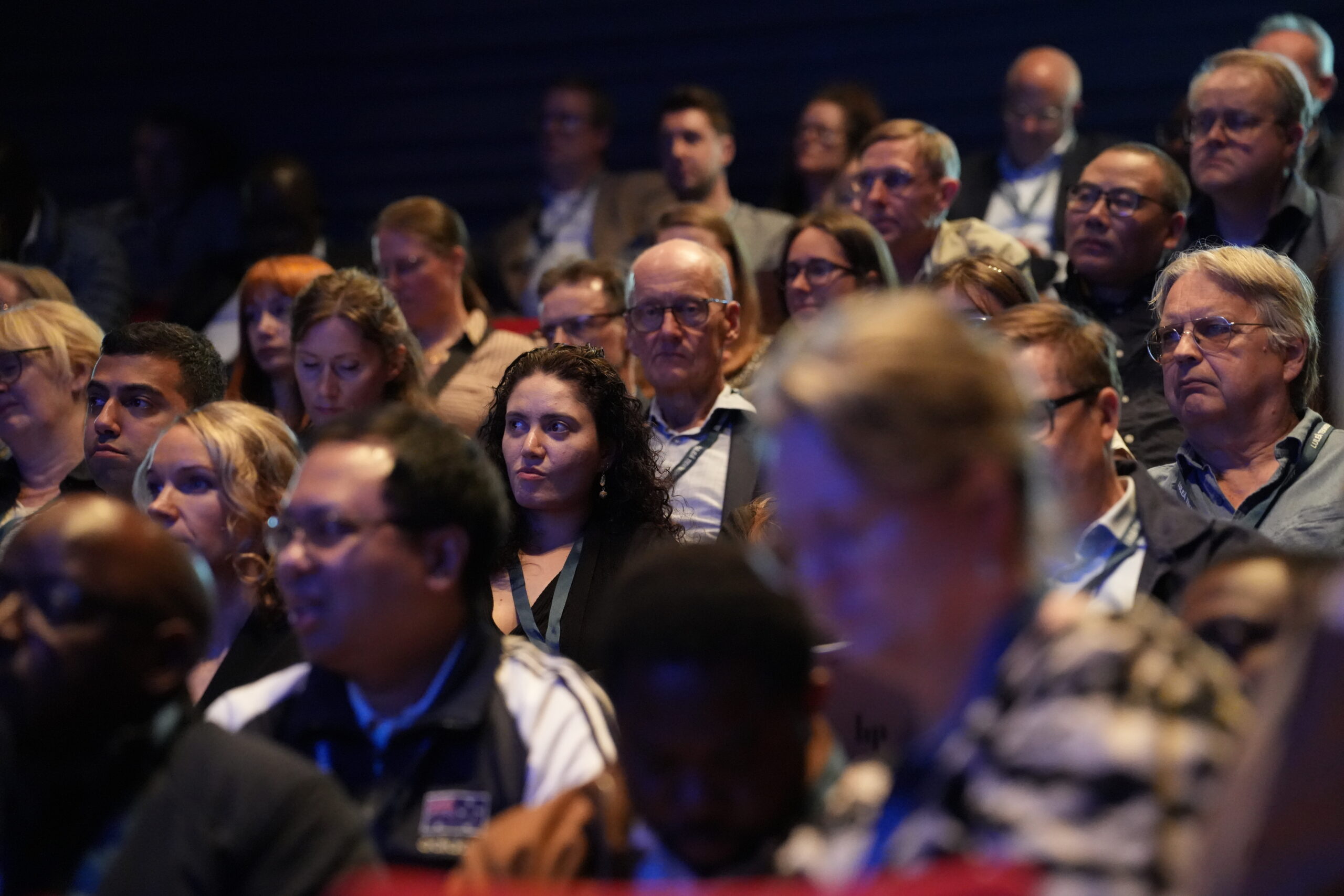
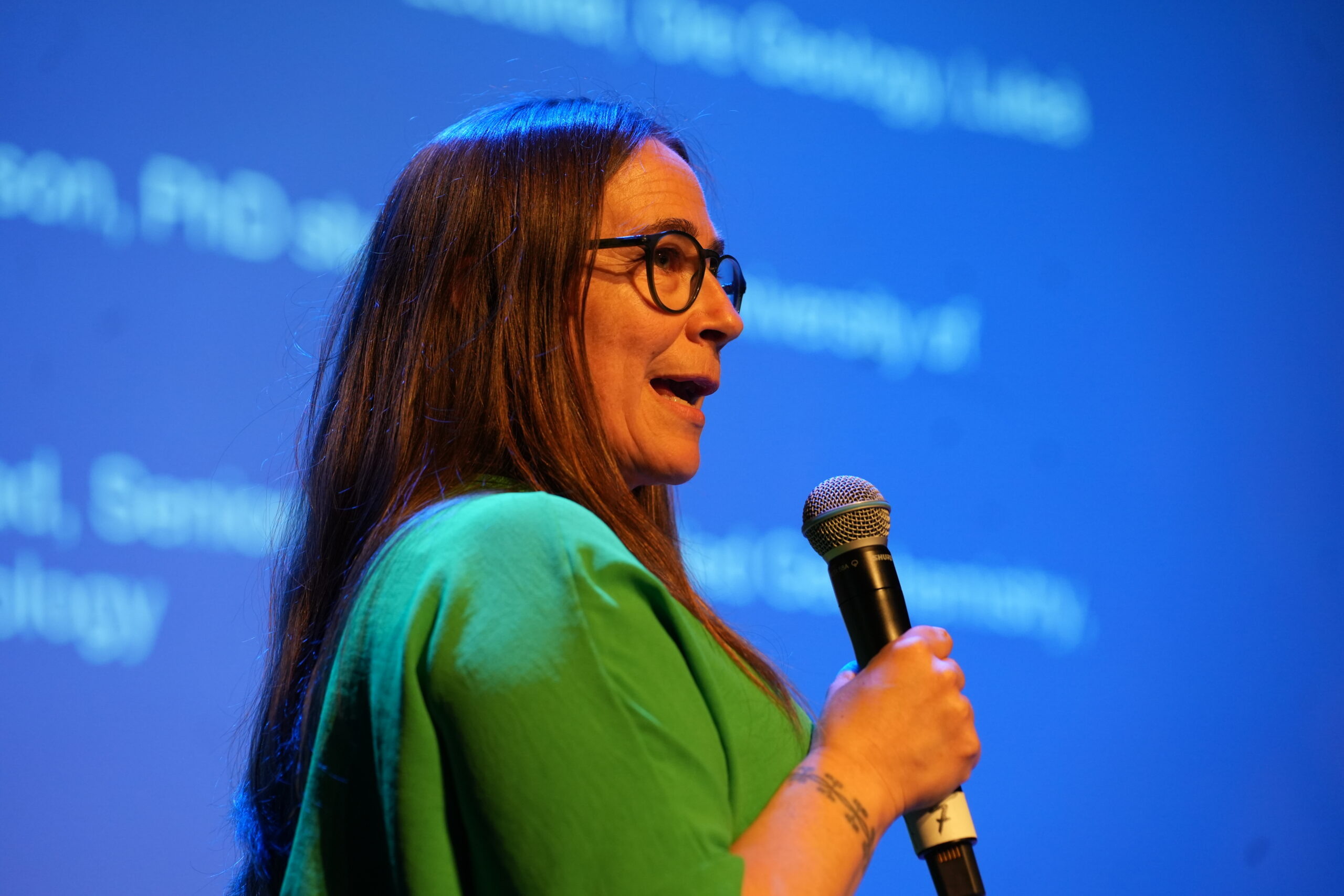
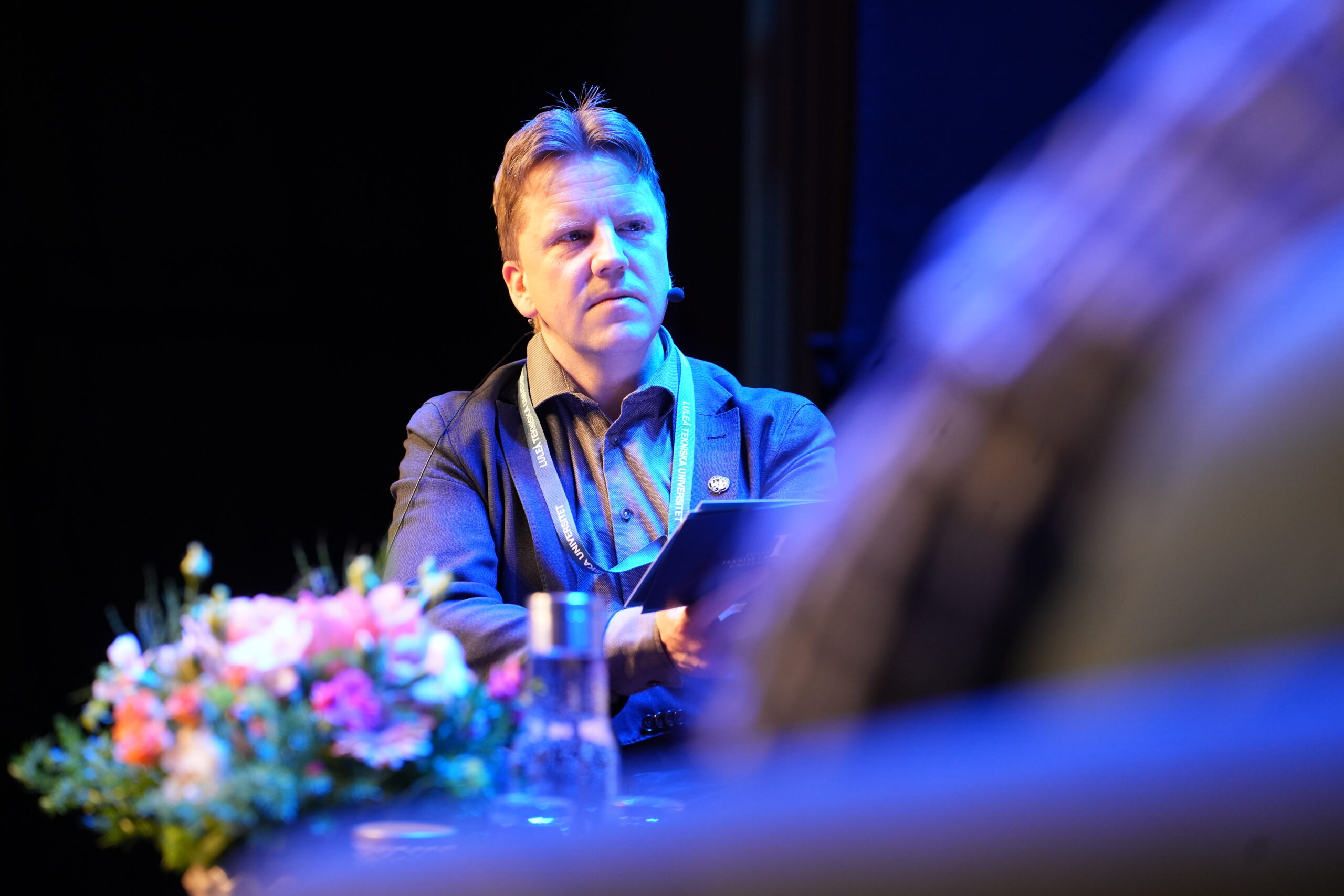
On 19–20 May, SMRID 2026 gathered researchers, industry representatives and actors from across the mining and minerals innovation ecosystem in Luleå. This year’s edition, hosted by CAMM-CRM at Luleå University of Technology in collaboration with Swedish Metals & Minerals and Svemin, confirmed the need for a strong research and innovation meeting place in northern Sweden — with critical raw materials at the centre of the discussions.
Swedish Mining Research & Innovation Days, SMRID, is an established meeting place for research, innovation and industrial development in mining and minerals. In 2026, the event entered a new host constellation, with CAMM-CRM at Luleå University of Technology as host, in collaboration with Swedish Metals & Minerals and Svemin. The strong engagement in this year’s event reflects the growing importance of critical raw materials in Sweden and Europe. Over two days, participants explored how research, innovation and collaboration can help build the knowledge, capacity and value chains needed for a more sustainable and resilient raw material supply.
Critical raw materials require knowledge, capacity and collaboration
Critical raw materials were at the centre of many discussions during SMRID 2026. How can Sweden and Europe build knowledge and capacity around materials and processes that are new to many parts of industry? How can research results and pilot projects move towards competence, production and implementation? And how can this development take place while meeting high environmental standards and strengthening Europe’s resilience?
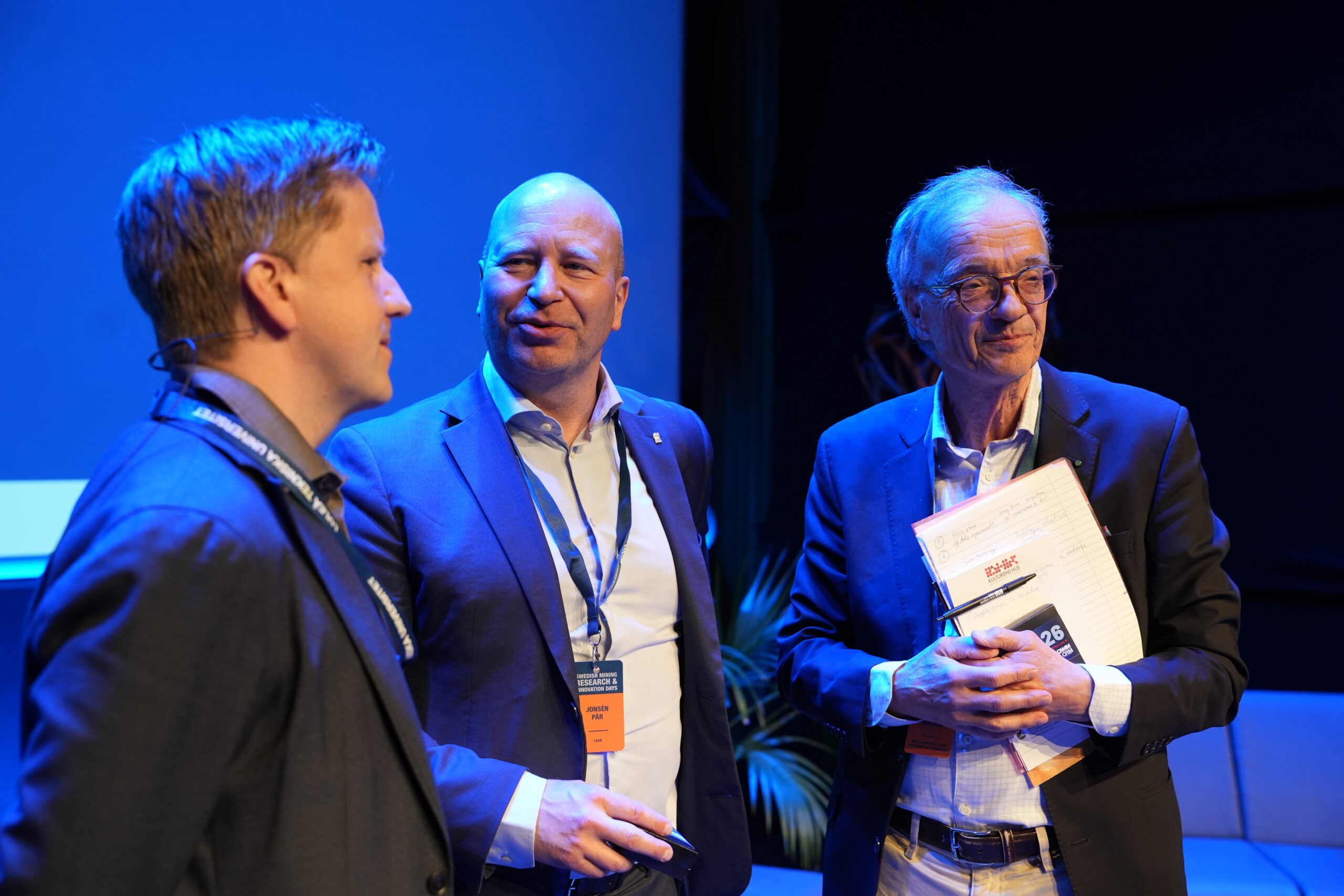
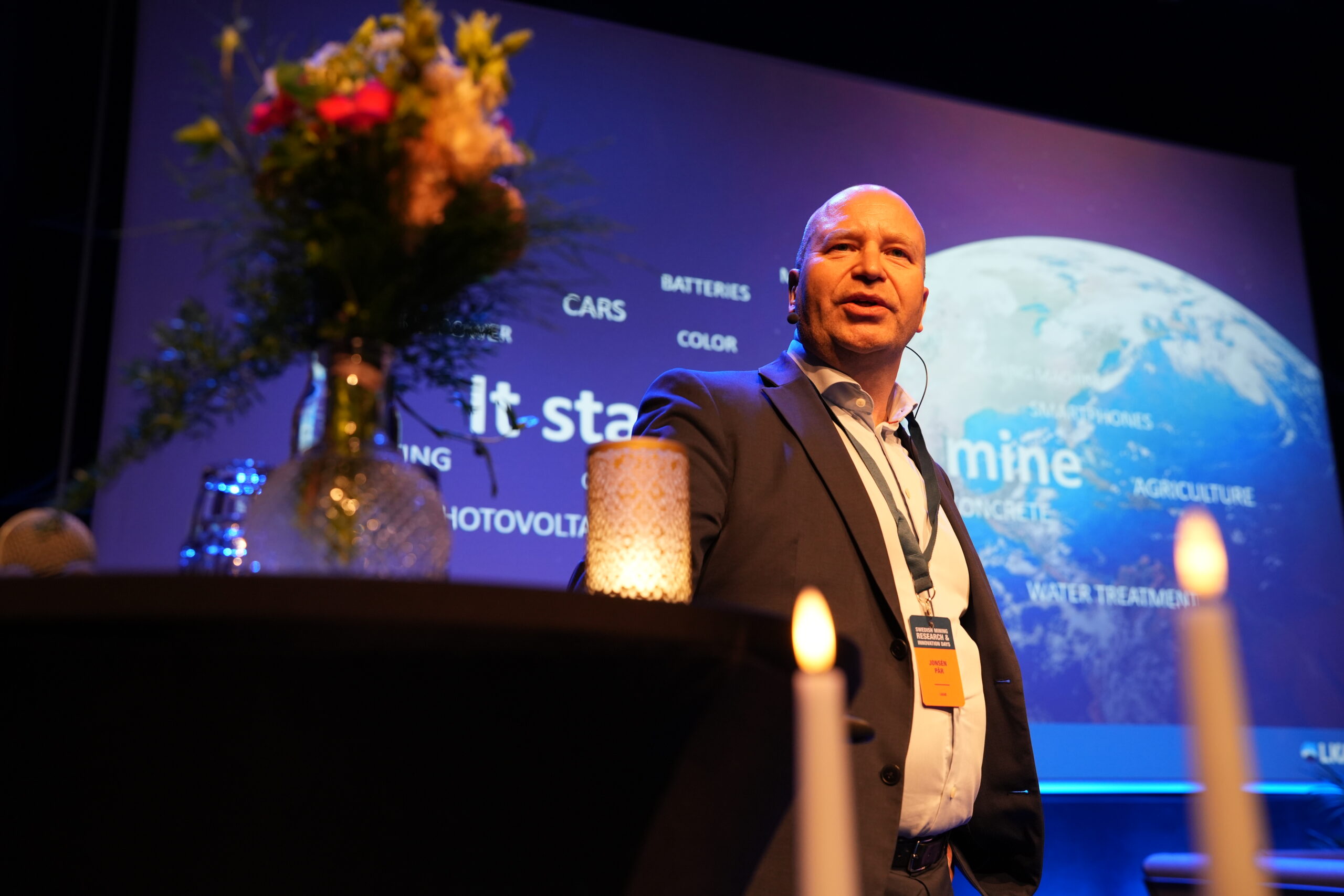
As Pär Jonsén, LKAB, pointed out during the event, many of these challenges concern materials, technologies and production scales that are still new to Sweden and Europe. Building capability in this field is therefore not only about individual research projects. It is about developing the knowledge, people and industrial capacity needed to create new value chains.
This is also why SMRID continues to matter as a meeting place. The questions raised during the event cannot be answered by one organisation alone. They require dialogue between researchers, companies, institutes, public sector actors and others across the value chain.
As Lena Abrahamsson, Luleå University of Technology, put it:
“Dialogue between researchers, companies and different actors is how we learn to understand each other’s problems and challenges.”
A strong arena in northern Sweden
The 2026 edition also confirmed the importance of having a strong research and innovation meeting place in northern Sweden. Luleå and the surrounding region are closely connected to mining, minerals, metallurgy, industrial development and research environments that are central to the transition.
By gathering actors in this context, SMRID creates opportunities to connect research results with industrial needs, policy perspectives and system-level challenges. It also provides a forum where established actors and new participants can meet, share perspectives and explore future collaborations.
The high level of interest in this year’s event shows that there is a clear need for this type of arena, not only to present research, but to build shared understanding and strengthen the relationships needed to move from knowledge to implementation.
Sweden’s starting point and the need for system innovation
The discussions during SMRID 2026 made Sweden’s strong starting point visible: advanced research environments, industrial experience, access to relevant infrastructure and a clear willingness to collaborate. At the same time, the event highlighted that the transition requires more than technological development.
A sustainable and resilient supply of metals and minerals depends on progress across the entire value chain, from exploration and extraction to processing, materials development, use and recycling. It also depends on competence, investment, environmental performance, societal understanding and policy conditions that make implementation possible.
This perspective is central to Swedish Metals & Minerals. The program’s mission is to enable a sustainable and resilient supply of metals and minerals for society’s transition. To achieve this, the program works with system innovation across the value chain and mobilizes actors from industry, academia, institutes, the public sector and civil society.
Swedish Metals & Minerals presented the roadmap
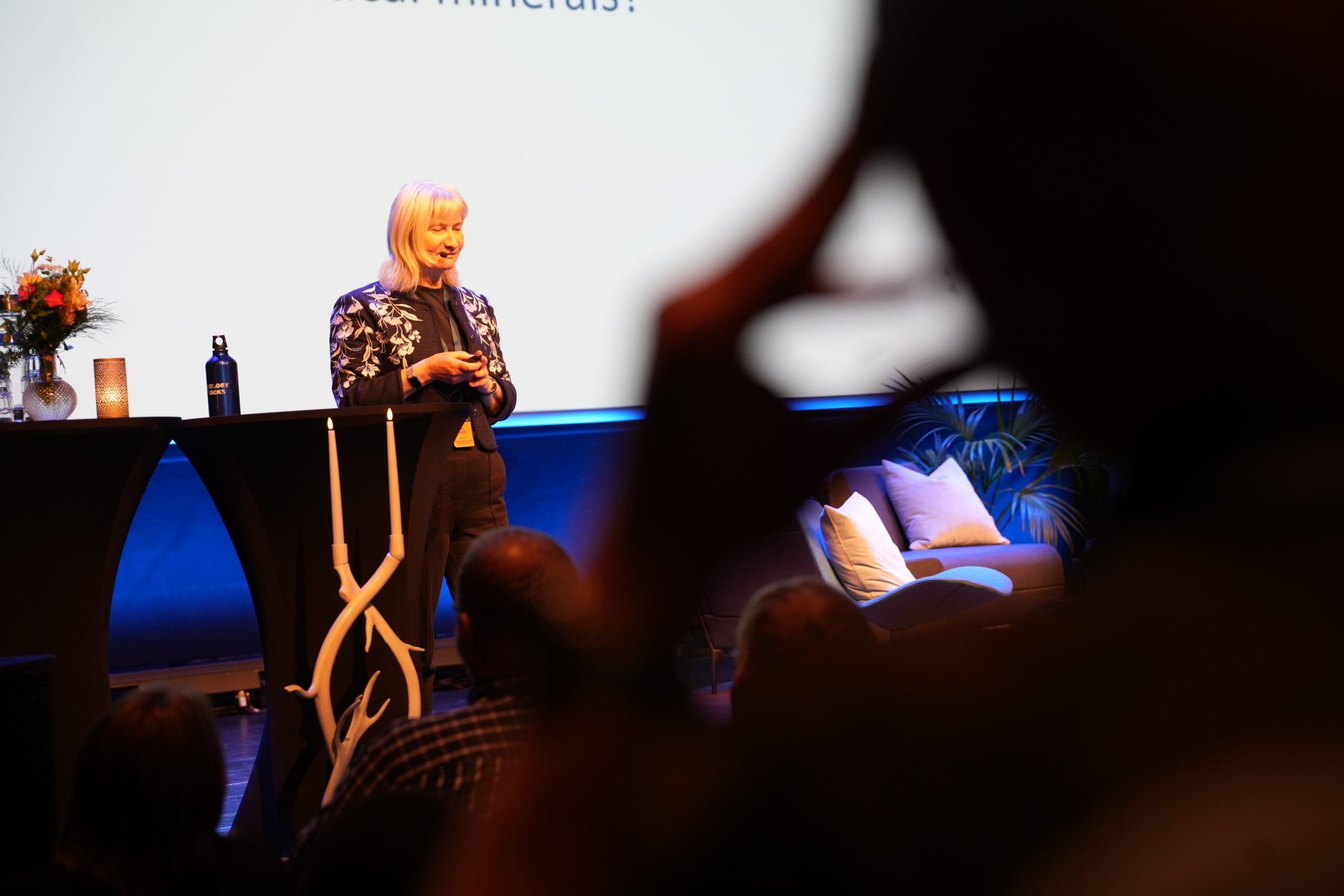
During SMRID 2026, Maria Swartling, Program Director for Swedish Metals & Minerals, presented the program’s roadmap. The roadmap outlines how the program will continue to support the mission through calls for proposals, strategic interventions and mobilization across the metals and minerals value chain.
The presentation highlighted how technical, social and systemic dimensions need to be connected in order to build real transition capacity. This includes strengthening resource availability, developing technologies, building competence, improving conditions for investment and contributing to more effective policy and regulatory conditions.
Program
The SMRID 2026 program brought together research presentations, strategic perspectives and discussions on critical raw materials, mining innovation and sustainable mineral value chains.
Download the full programme here
Presentations from SMRID 2026
The presentations will be posted on an ongoing basis.
May 19
CRMs: A global Outlook
Research to Accelerate Critical Minerals and Sustainable Development in SW England
Frances Wall, Professor of Applied Mineralogy at Camborne School of Mines, University of Exeter
Critical Minerals, Metals and Materials; a global overview
Simon Jowitt, Director of the Nevada Bureau of Mines and Geology and Nevada State Geologist
CRMs: A Swedish perspective
From mining waste to critical raw materials – LKAB ReeMAP Project
Pär Jonsén, CTO LKAB Business Area Special Products
Focused on core metals, open to opportunities
Kasper Huuska, Product Manager, Special Products, Boliden Mines
Government Assignment – Infrastructure for Test/Pilot Facilities for Critical Raw Materials
Bertil Pålsson, Senior Lecturer, Mineral Processing, Luleå University of Technology
R&I projects on Critical Raw Materials
TECTONiSM – Tectonic controls on critical raw material prospectivity in mafic intrusions – towards a mineral systems model for Ni–Cu–(PGE) in northern Sweden
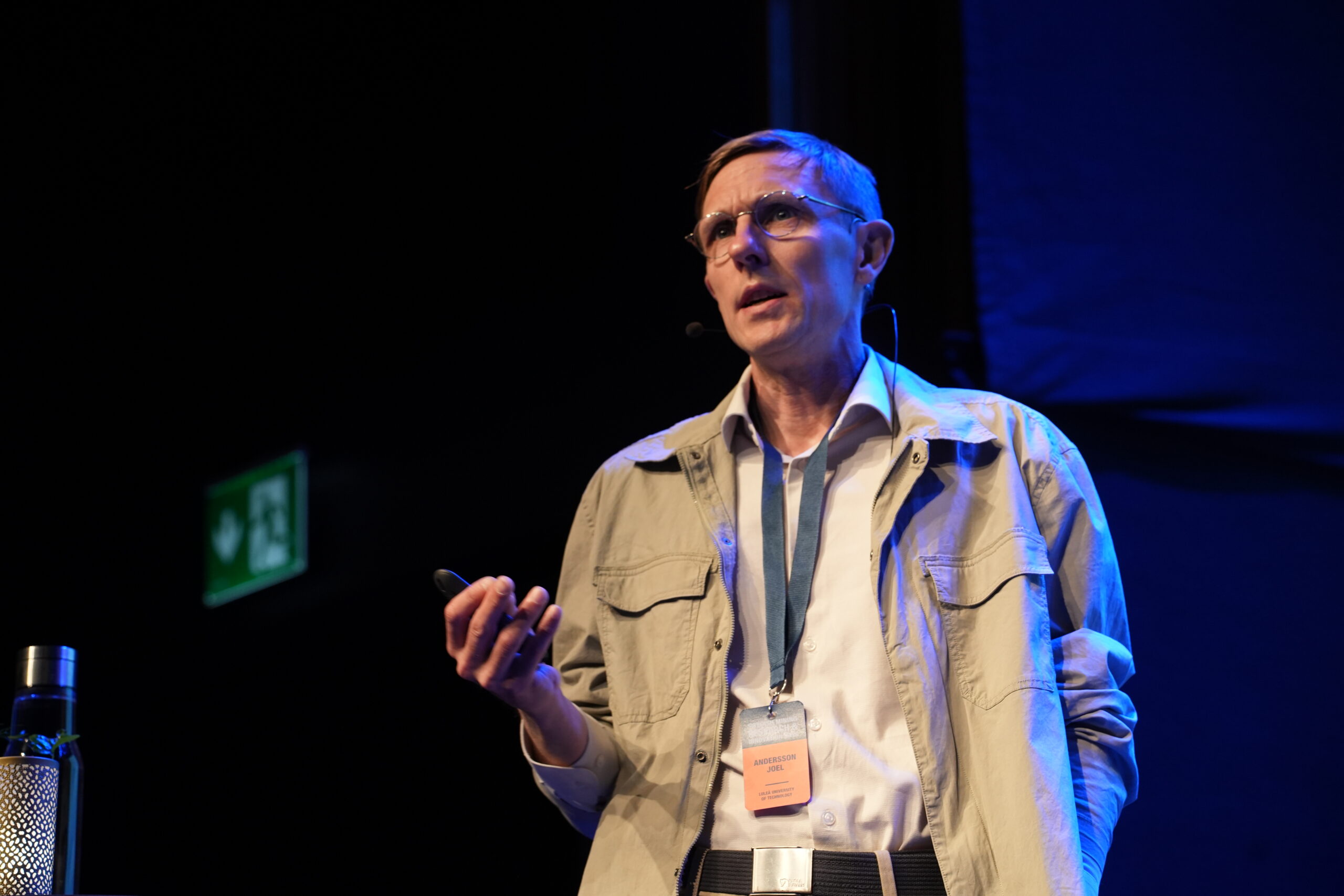
Joel Andersson, Senior Lecturer, Ore Geology, Luleå University of Technology
OPTIREEP – Recovery of REE and Phosphorus from a Variety of Minerals
Adam Isaksson, PhD student, Luleå University of Technology
NARMIN II – Proof of concept: Algae technology for mine water treatment
Sarah Conrad, Senior Lecturer, Applied Geochemistry, Luleå University of Technology
Scandium the neglected REE
Michael Bau, Professor of Geoscience at Constructor University, Bremen
16:40 Bergforsk Award
Best Master Thesis – Vighnesh Nadukkandy pradeep
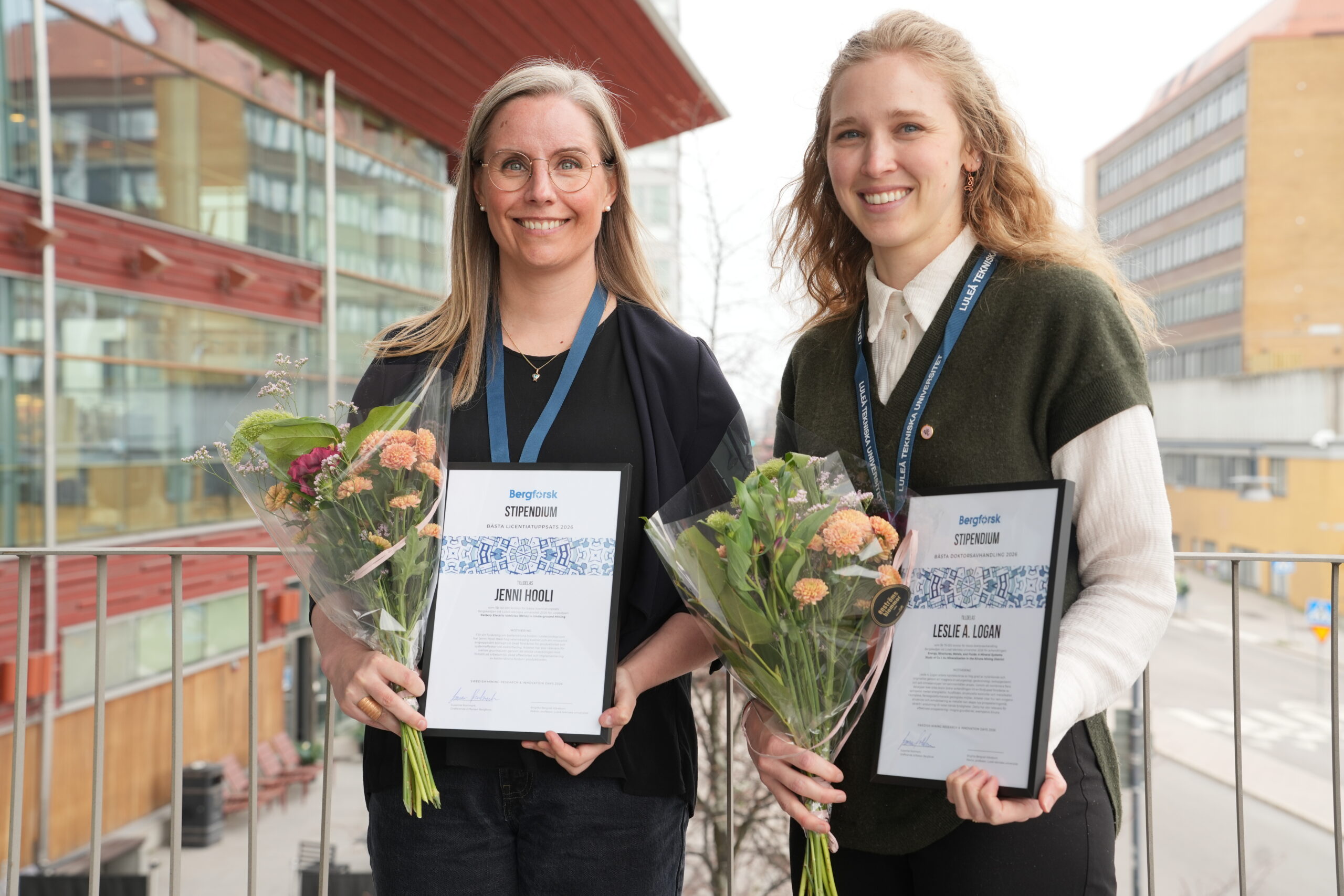
Best Licentiate Thesis – Jenni Hooli
Best Doctoral Thesis – Leslie Logan
——————————————
May 20
A resilient Europe
Resources Are Not Enough: Collaboration, Geoscience, and European Resilience
Julie Hollis, Secretary General, EuroGeoSurveys
Norwegian mapping of critical and strategical raw materials in industrial sidestreams
Stine Skagestad, Head of Circular Economy, Eyde Cluster
Funding opportunities
RAMP – Raw Materials Partnership for the Green and Digital Transition
Tobias Kampmann, Programme Manager, Vinnova
Swedish Metals & Minerals – Funding opportunities and roadmap
Maria Swartling, Program Director
Sweden’s contribution to resilience
Research and Innovation Actions within CAMM-CRM
Nils Jansson, Associate Professor and Director CAMM CRM
How the Nordic Region can set the Standard for minerals – a geopolitical perspective
Bledar Beqiri, Project Manager, Standardization at the Swedish Institute for Standards
Human-Centric AI: Unlocking innovation at every level
Emelie Fågelstedt, Independent Strategist and AI Advisor, Fågelstedt Kommunikation
The conversations continue
The questions raised during SMRID 2026 will continue to be central to the work of Swedish Metals & Minerals. The next major meeting place is the Swedish Metals & Minerals Program Conference 2026, where actors from across the metals and minerals value chain will gather to explore concrete needs, ongoing initiatives and new opportunities for collaboration.
Registration is now open: Program Conference 2026 / registration
Swedish Metals & Minerals would like to thank CAMM-CRM, Luleå University of Technology, Svemin, all speakers, participants and partners for contributing to two valuable days in Luleå and for keeping this important meeting place moving forward.
Photos: Simon Vikström, LTU Business
Photo Gallery 2026